Product Photo to 3D and AR Automatically: Is It Good Enough to Replace a Studio?
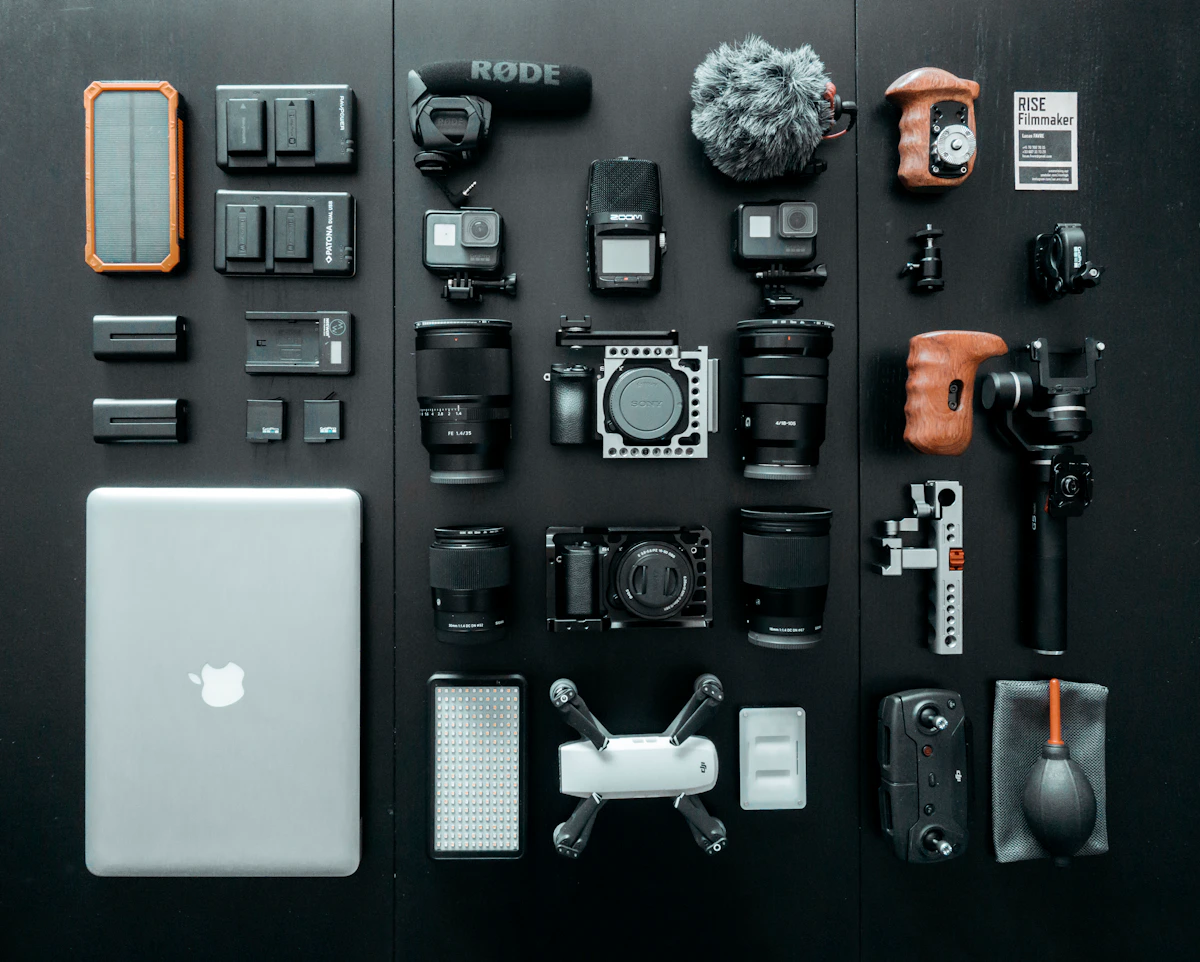
A single product photo used to mean booking a studio, hiring a photographer, waiting days for edited files, and paying $500–$2,000 per SKU. Tools like Meshy, Tripo AI, and WEARFITS’s pipeline now claim to skip all of that — converting a flat photo into a textured 3D model and AR-ready asset in under a minute. For a 100-SKU catalog, that math becomes significant fast.
The question isn’t whether the technology works. It does, within limits. The real question is whether converting a product photo to 3D and AR automatically is good enough to replace a studio — and the data shows a more conditional answer than the marketing suggests.
Key Takeaways
- AI product photography reduces per-SKU costs by 60–90% compared to traditional studio shoots ($500–$2,000 per SKU), according to Pixmax AI.
- Current AI tools reliably handle 70–85% of standard ecommerce imagery, but fail consistently on reflective goods, garments, and hero campaign shots.
- Converting a product photo to 3D and AR automatically is production-viable for specific categories — shoes, bags, rigid packaged goods — but not a universal studio replacement as of late 2026.
- The highest-performing teams run hybrid workflows: AI for concept validation and catalog basics, professional CGI for launches and packaging.
- 22% of online returns are linked to inaccurate product photos, making visual fidelity a revenue issue, not just an aesthetic one.
The Market Shift Behind the Hype
Three years ago, AR product viewers required dedicated 3D artists, photogrammetry rigs, or factory CAD files. Deployment meant weeks of production per product. That barrier kept AR experiences confined to high-margin categories — furniture, luxury watches, high-end sneakers.
The pipeline has compressed dramatically. Tools like Meshy and Tripo AI now generate textured GLB models from a single input photo in seconds, using diffusion-based reconstruction and neural radiance field techniques. WEARFITS’s production pipeline demonstrated single-photo-to-3D generation specifically for shoes and bags, handling USDZ output for iOS AR — a format that browser-side tools still can’t generate reliably, according to View AR’s technical documentation.
On the 2D AI photography side, platforms like Pebblely, Flair.ai, Claid.ai, and Creatify.ai let brands generate lifestyle scenes from product uploads in seconds. Pixready’s 2026 comparison puts the competitive pressure clearly: AI tools suit startups, MVPs, and rapid A/B testing. They’re not positioned as professional finishing tools.
What changed in 2026 is the quality floor. Early AI product shots looked AI-generated. Now, for certain product types — packaged goods, rigid plastics, matte surfaces — the gap is narrow enough that buyers often can’t tell. That’s the threshold where the studio replacement argument starts holding weight.
What the Data Actually Shows
The 70–85% Problem
Pixmax AI’s 2026 guide tracks AI reliability across ecommerce categories. The finding: AI handles 70–85% of standard ecommerce imagery — white-background packshots, lifestyle scenes, seasonal variations. That sounds strong until you map what falls outside it.
Reflective products fail. Jewelry, glass bottles, metallic packaging — surfaces that require precise lighting rigs and HDR environments produce inconsistent or physically inaccurate renders. Garments on models remain unsolved. Text legibility on labels degrades unpredictably. And AI tools produce no reusable 3D assets, meaning each campaign requires starting over from scratch.
The 22% return rate linked to inaccurate product photos makes this commercially significant. If an AI-generated image shifts the perceived color, distorts proportions, or misrepresents surface finish, the downstream cost is returns and account suspensions on marketplaces like Amazon. That’s not an aesthetic problem. That’s a margin problem.
The 3D and AR Gap
The question of whether photo-to-3D and AR automation is good enough gets sharper when you separate the two workflows.
For 2D-to-3D conversion, tools like Meshy and Tripo AI work well on geometrically simple objects with clear silhouettes. Shoes, bags, bottles, rigid boxes — these reconstruct with acceptable mesh quality for AR previews. Complex geometry, such as electronics with ports and connectors, multi-part assemblies, or wire-framed furniture, produces messy topology that’s unusable without manual cleanup.
For AR specifically, the iOS constraint is real. Native AR via Apple’s Quick Look requires USDZ format. Browser-based tools using three.js pipelines can’t generate USDZ client-side reliably, per View AR’s documentation. That means iOS AR — covering roughly 55% of mobile ecommerce traffic in the US — requires either a commercial pipeline like WEARFITS’s or post-processing by a 3D artist.
Where Professional CGI Still Wins
According to Pixready’s analysis, professional 3D rendering holds concrete advantages: full material and lighting control, print-ready resolution, clear IP ownership, and reusable assets across color variants, 360° views, animations, and packaging. Those aren’t marginal improvements — they’re production requirements for brand launches.
The table below maps where each approach actually delivers:
| Criteria | AI Photo Tools | AI Photo-to-3D | Professional CGI |
|---|---|---|---|
| Cost per SKU | $0.50–$5 | $2–$20 | $500–$2,000 |
| Turnaround | Minutes | Minutes–Hours | Days–Weeks |
| Reflective surfaces | ❌ Unreliable | ❌ Poor | ✅ Full control |
| iOS AR (USDZ) | N/A | ⚠️ Pipeline-dependent | ✅ Yes |
| Reusable 3D assets | ❌ No | ⚠️ Mesh quality varies | ✅ Yes |
| Print resolution | ❌ No | N/A | ✅ Yes |
| Brand consistency | ⚠️ Visual drift risk | ⚠️ Variable | ✅ Controlled |
| Best for | Catalog basics, A/B tests | AR previews (simple SKUs) | Launches, packaging, campaigns |
The cost gap is real. So is the quality gap. Neither erases the other.
Three Scenarios That Actually Define the Decision
Scenario 1 — High-volume ecommerce with simple SKUs. A DTC brand with 200 SKUs of packaged supplements or rigid cosmetics can run AI photography for 80–90% of catalog needs. The workflow: shoot one clean photo per product (minimum 2,000px on the long side), run image-to-image tools, review every output at 100% zoom against physical swatches before publishing. This cuts annual photography spend from five figures to under $2,000 without meaningful conversion loss on simple product types.
Scenario 2 — Fashion, jewelry, or complex electronics. AI tools don’t solve the garment-on-model problem or metal surface rendering. For these categories, the 22% return risk from inaccurate imagery makes AI-only workflows commercially dangerous. Professional CGI or hybrid pipelines are required for hero shots. AI can still support concept testing and social ad variations — just not the work that actually moves product.
Scenario 3 — AR catalog deployment at scale. If the goal is AR previews across 500+ SKUs for a retail app, the photo-to-3D pitch from tools like Meshy and WEARFITS’s pipeline becomes genuinely attractive — specifically for shoes, bags, and rigid packaged goods. Budget for iOS USDZ handling outside the browser, and expect manual QA passes on mesh topology for complex shapes. The automation is real; it just needs guardrails.
One technical shift worth watching: Apple’s RealityKit and ARKit updates in early 2027 may lower the USDZ generation barrier significantly. If browser-side USDZ export becomes reliable, the iOS AR constraint largely disappears — which would make the studio-replacement case considerably stronger for mid-tier brands operating at catalog scale.
Where This Lands in the Next 12 Months
The honest summary:
- AI 2D photography replaces studios for 70–85% of standard ecommerce needs right now, with real cost reductions.
- AI photo-to-3D is production-viable for geometrically simple categories, but requires pipeline infrastructure for iOS AR.
- Professional CGI remains necessary for launches, packaging, complex materials, and any application where brand consistency and accuracy directly affect returns.
- The hybrid workflow — AI for speed and volume, CGI for precision — is what high-performing teams are already running.
Over the next 6–12 months, expect model reconstruction quality to improve for complex geometry as training datasets scale. The USDZ gap on iOS is the single biggest technical blocker for full AR automation — and that’s where the most consequential movement will happen.
So is converting a product photo to 3D and AR automatically good enough to replace a studio? Yes, conditionally. For the right product categories, with the right quality checks, and without expecting it to handle the top 15% of your catalog that actually drives brand perception.
The studio isn’t dead. It’s just handling fewer SKUs than it did two years ago.
What’s your current SKU mix? If more than 30% of your catalog involves reflective surfaces, apparel, or complex assemblies, the studio-replacement math probably doesn’t work yet. If it’s mostly rigid packaged goods, the case for switching is already there.
References
- Free Image to 3D Model 2026 — Photo to 3D in a Minute | Meshy
- 12 Best AI Tools for Ecommerce Product Photography in 2026
- Tripo AI 3D model Generator | Text & Images to 3D in Seconds
Photo by lucas Favre on Unsplash