Is iPhone 17 Worth Upgrading From iPhone 14 in 2026?
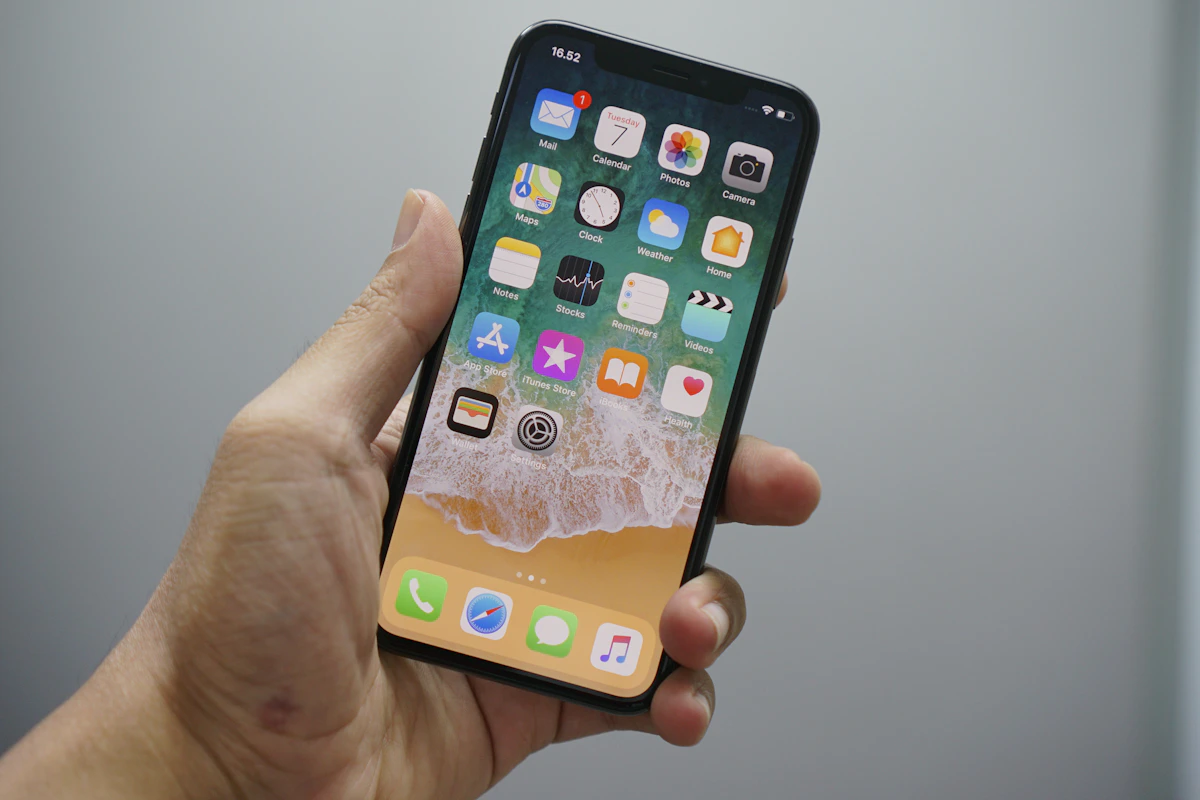
The iPhone 14 launched in September 2022. Four full hardware generations ago. And yet, millions of iPhone 14 owners are still debating whether the iPhone 17 justifies the upgrade cost in 2026. Based on the spec delta alone, the answer is less obvious than Apple’s marketing suggests — so let’s look at the actual numbers.
Key Takeaways
- The iPhone 17 delivers a 48MP dual-camera system, A19 chip, and Wi-Fi 7 — all absent on the iPhone 14’s 12MP/A15 Bionic/Wi-Fi 6 configuration.
- Apple Intelligence requires the A17 Pro neural engine architecture at minimum. iPhone 14 owners are completely locked out of AI features regardless of iOS version.
- Real-world battery life on the iPhone 17 runs approximately 24.5 hours — a substantial gain over the iPhone 14’s measured endurance.
- At $999 MSRP with trade-in values of $240–$290 for an iPhone 14, the net upgrade cost lands around $700–$760. That’s a real number worth pressure-testing against actual daily use gains.
- For iPhone 14 users, the upgrade case is strong across performance, camera, AI access, and device longevity. The question isn’t if — it’s when.
The Three-Year Gap: What Actually Changed
The iPhone 14 shipped with Apple’s A15 Bionic — the same chip already inside the iPhone 13 Pro. That was a quiet red flag in 2022. By 2026, it’s a hard ceiling.
Apple dropped the iPhone 14 from Apple Intelligence support entirely. The cutoff is the A17 Pro neural engine, which first appeared in the iPhone 15 Pro. Software can’t bridge this gap. Running an iPhone 14 on iOS 19 means you’ll never see Writing Tools, Image Playground, or Siri’s on-device AI features. Full stop.
The connectivity picture is equally stark. The iPhone 14 uses Lightning. Every accessory ecosystem built since 2022 increasingly assumes USB-C, which the iPhone 17 finally standardized. Wi-Fi jumps from 6 to 7 — theoretically 4.8x faster peak throughput, practically meaningful for anyone working off a Wi-Fi 7 router at home or in dense office environments.
The display upgrade from 60Hz to 120Hz ProMotion is harder to quantify but immediately noticeable. Scrolling, animations, and game frame pacing all benefit. Use 120Hz daily for a week and 60Hz starts to feel like moving through wet concrete. That perceptual shift has real productivity implications for developers and engineers who live on their phones.
Camera: 12MP to 48MP Is Not a Marketing Number
According to reviews.org’s iPhone 17 vs. iPhone 14 comparison, both the wide and ultrawide cameras on the iPhone 17 move from 12MP to 48MP. The front camera jumps from the iPhone 14’s standard selfie sensor to an 18MP Center Stage shooter that works in both landscape and portrait orientations.
That 4x resolution increase on the rear sensors matters in specific contexts: cropping for high-detail still shots, extracting frames from 4K video, shooting in ProRAW for post-processing flexibility. One important caveat worth noting — Alibaba Electronics’ 2026 upgrade guide flags that the 48MP ultrawide improvements are only visible in ProRAW or Smart HDR 5 mode. Default HEIC output looks closer to iPhone 16 than the spec sheet implies.
So the ceiling is higher. But you have to deliberately shoot toward it.
For tech professionals who routinely capture product shots, whiteboard sessions, or technical diagrams, the higher resolution ceiling is practically useful. For casual shooters, the difference in default output is more modest.
Battery Life: The 24.5-Hour Rating Holds Up
This is where the data gets compelling for heavy users. The iPhone 17 delivers approximately 24.5 hours of real-world battery life — a 7-hour improvement over the iPhone 16, and a gap the iPhone 14 can’t touch three optimization generations back.
Charging improved significantly too. The iPhone 17 supports 40W fast charging, reaching 0–50% in roughly 22 minutes. The iPhone 14’s charging speed was considerably slower. For engineers and developers cycling through back-to-back meetings or traveling frequently, that fast-charge delta has genuine daily value. It’s the difference between a 45-minute lunch break saving your day and it not.
Apple Intelligence: The Hard Lock-Out
This is the clearest argument for upgrading, and there’s no workaround.
Apple Intelligence requires the A17 Pro neural engine architecture at minimum. The iPhone 14’s A15 Bionic can’t meet that threshold through any software path — not iOS updates, not developer betas, nothing.
By late 2026, Apple Intelligence integrates with third-party developer tools through updated API frameworks. Xcode’s on-device AI code suggestions, contextual Siri integration with productivity apps, on-device image analysis — all require compatible hardware. An iPhone 14 running in 2027 will increasingly feel like a device missing a core software layer that the rest of the ecosystem quietly assumes is present.
That’s a different kind of obsolescence than just missing a camera bump.
Spec Reality Check: iPhone 17 vs. iPhone 14
| Feature | iPhone 14 (2022) | iPhone 17 (2026) | Delta |
|---|---|---|---|
| Chip | A15 Bionic | A19 | 4 generations |
| Main Camera | 12MP f/1.5 | 48MP f/1.6 | 4× resolution |
| Front Camera | 12MP TrueDepth | 18MP Center Stage | +50% resolution |
| Display | 6.1" 60Hz OLED | 6.3" 120Hz ProMotion | +0.2" / 2× refresh |
| Battery (rated) | ~20 hours video | ~29 hours video | +45% capacity |
| Charging | ~20W | 40W | 2× speed |
| Connectivity | Wi-Fi 6 / Lightning | Wi-Fi 7 / USB-C | 2 generations |
| Apple Intelligence | ❌ Not supported | ✅ Full support | Full lock-out |
| Starting Storage | 128GB | 256GB | 2× baseline |
| Water Resistance | IP68 (6m / 30 min) | IP68 (6m / 30 min) | Equal |
Eight out of nine categories show meaningful improvement. The lone tie is IP68 water resistance.
Who This Math Actually Works For
iPhone 14 owners recently paid off or on installment plans: The $240–$290 trade-in value brings the net iPhone 17 cost to approximately $700–$760. Spread over 24 months, that’s roughly $30/month. For a primary work device, Apple Intelligence access alone starts to justify that math — especially as AI-integrated developer tools become standard in 2027 workflows.
Developers and engineers building AI-integrated apps: Testing Apple Intelligence APIs requires compatible hardware. An iPhone 14 can’t run on-device AI features, which means you’re testing on simulators or borrowing devices. That’s a real friction cost that doesn’t get easier over time. Upgrading to the iPhone 17 removes that constraint through at least two more iOS cycles.
Power users focused on camera and media: The 48MP system with Smart HDR 5 is a legitimate pro-tier upgrade for content capture. But remember the ProRAW caveat — the ultrawide improvement lives behind a shooting mode toggle that most users never touch.
This approach can fail when: you’re an occasional smartphone user whose primary tasks are messaging, calls, and light browsing. The $700+ net cost is hard to justify if Apple Intelligence and camera resolution don’t factor into your daily workflow. In that case, waiting for iPhone 18 — or simply keeping the 14 through 2026 — remains a defensible choice.
What to watch:
- Apple’s iPhone 18 announcement (expected September 2027) will clarify whether A19 stays mid-tier or gets AI capability extensions that meaningfully lengthen its useful life
- iOS 20 compatibility lists will confirm whether iPhone 17 remains in Apple’s supported tier through 2028
- Trade-in values typically drop 15–20% after each new iPhone launch — waiting costs money in real terms
Conclusion
The data on whether the iPhone 17 is worth upgrading from an iPhone 14 in 2026 points clearly in one direction.
The A19 vs. A15 Bionic gap spans four chip generations and a hard Apple Intelligence wall. Camera resolution doubled across both rear lenses and the front sensor. Battery life improved roughly 45% on rated video playback, and fast charging nearly doubled in speed. Net upgrade cost after trade-in lands around $700–$760.
Apple will almost certainly expand Apple Intelligence capabilities with iOS 20 in 2027, deepening the feature divide between supported and unsupported hardware. The iPhone 14’s trade-in value is also declining — currently $240–$290, likely dropping below $200 after iPhone 18 launches.
If you rely on your iPhone as a serious work tool, waiting another cycle doesn’t improve the math. The feature gap is already wide. It will be wider next year.
The iPhone 17 isn’t a marginal upgrade from the iPhone 14. It’s a generational one.
References
- Should You Upgrade to the iPhone 17 from the iPhone 14 or 15?
- iPhone 17 vs. iPhone 14: Should You Upgrade Yet?
- Is It Worth Upgrading to iPhone 17? A Practical 2026 Guide
Photo by Bagus Hernawan on Unsplash