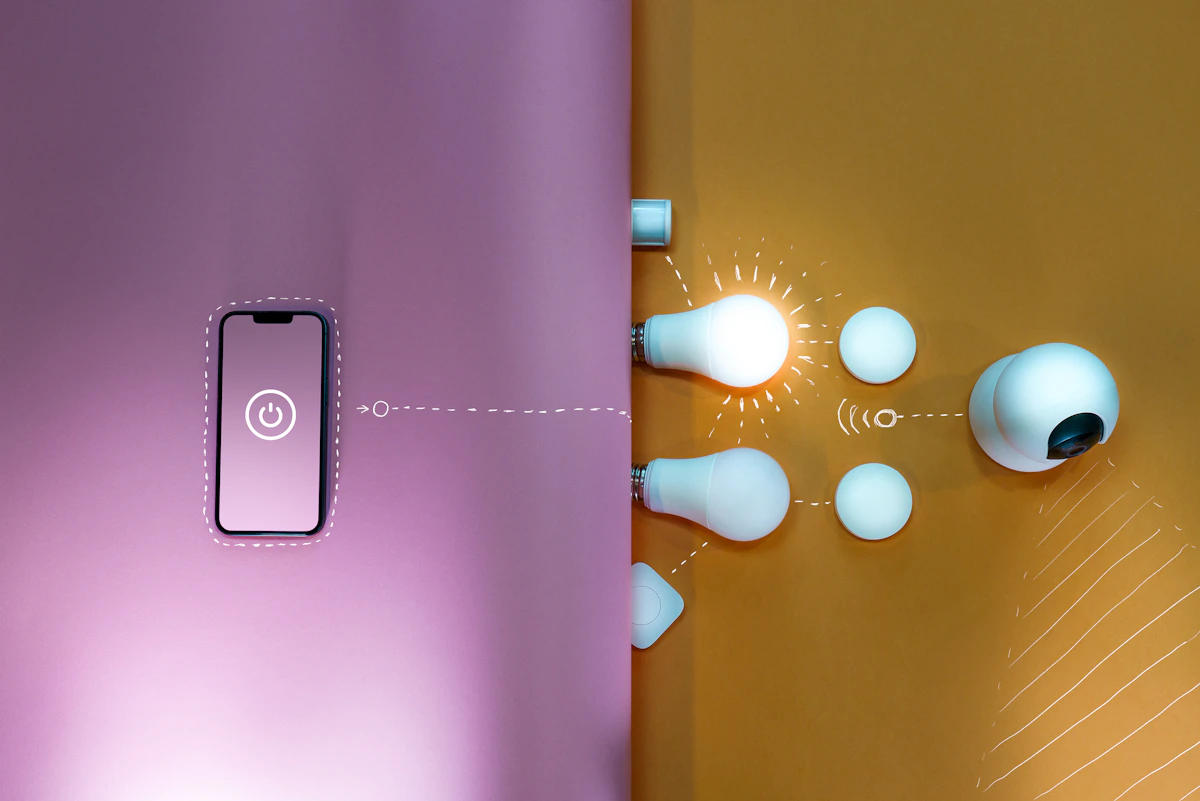
Is Your Smart TV Spying on You and How to Stop It

Your smart TV is collecting data right now. Not maybe. Not occasionally. Right now — while you’re watching Netflix, playing a Blu-ray, or running an HDMI cable from your laptop to a bigger screen.
The mechanism is called Automatic Content Recognition (ACR), and as of 2026, it ships enabled by default on virtually every major smart TV platform: Samsung, LG, Vizio, Roku, Amazon Fire TV, Google TV. Most users never turned it off because most users didn’t know it existed. The setup wizard asked for consent buried inside a 40-page terms-of-service agreement that practically nobody reads.
This isn’t theoretical surveillance. It’s a profitable, structured data pipeline — from your living room couch to ad-tech companies — and it’s worth understanding exactly how it works before deciding what to do about it.
Key Takeaways
- ACR is enabled by default on all major smart TV platforms and captures viewing data across every input — streaming apps, cable, Blu-ray, gaming consoles, and HDMI-connected devices.
- TV manufacturers sell this data to advertisers and data brokers, who combine it with phone activity and web browsing history to build cross-device behavioral profiles.
- According to PCMag, certain LG smart TVs were found logging nearby Wi-Fi-connected devices and capturing microphone audio even when the screen was powered off.
- Every major platform has a specific settings path to disable ACR — and disabling it doesn’t break any core TV functionality.
- ACR tracking operates independently from streaming service tracking, so turning it off at the TV level doesn’t stop Netflix, Hulu, or YouTube from collecting their own behavioral data.
How ACR Became the Default
ACR isn’t new. The technology dates back over a decade, originally developed for second-screen sync experiences — apps that knew what show you were watching and offered related content on your phone. Harmless enough in concept. But the business model shifted fast once TV manufacturers realized this data had serious ad-targeting value.
By the early 2020s, smart TV hardware margins had compressed dramatically. Selling a 55-inch TV for $300 was barely profitable. So manufacturers pivoted to a platform revenue model: subsidize the hardware, monetize the data. Vizio made this explicit in its 2021 IPO filing, disclosing that its Platform Plus segment — driven by ACR data — generated higher margins than TV sales themselves.
The ecosystem solidified from there. TV manufacturers partnered with data brokers and ad-tech firms. Viewing data got cross-referenced with mobile ad IDs, IP-level location data, and purchase histories. Watching three episodes of a true-crime series on a Tuesday night became a behavioral signal worth money to insurance companies, pharmaceutical advertisers, and political campaigns.
By 2026, the smart TV data market is a mature, structured industry. Not a side feature — a revenue line item for publicly traded companies.
How ACR Actually Works — and Why It’s Hard to Escape
ACR samples what’s on screen — both audio and video — and converts those samples into digital fingerprints. Those fingerprints get matched against massive content databases to identify exactly what you’re watching, when, and for how long. According to PCMag, this process works regardless of input source. Streaming app, physical Blu-ray disc, external game console, laptop over HDMI — ACR captures all of it.
That’s the part most people miss. Disabling your Netflix account or switching to an Apple TV doesn’t stop ACR. The TV’s own software layer is watching the signal passing through its hardware. Short of physically blocking the TV’s network access, the only reliable fix is disabling ACR in the manufacturer’s settings.
The data collected goes well beyond “they know I watched Breaking Bad.” According to Reader’s Digest, the profile includes specific titles, genres, actors, viewing behavior — pause patterns, skip behavior, watch completion rates — approximate geographic location via IP, connected device types, and installed apps. That’s a granular behavioral fingerprint, built continuously, updated in near real-time.
The Data Sharing Chain: From TV to Instagram Ad
The collected data doesn’t stay with the TV manufacturer. It flows to advertisers, data brokers, and marketing platforms. Those downstream buyers combine TV viewing data with mobile identifiers and web browsing history to build cross-device profiles.
The practical result: watch a documentary about diabetes management on your Samsung TV Monday evening, and by Wednesday you might see targeted pharmaceutical ads on Instagram. That’s not coincidence — it’s a structured data pipeline that your TV manufacturer is a paid participant in.
According to PCMag, the security implications extend further. Certain LG smart TVs were found logging nearby Wi-Fi-connected devices and capturing microphone audio even while the screen was powered off. That’s a separate data collection vector from ACR entirely — which makes the “just turn off ACR” advice incomplete on its own.
Manufacturer-Specific ACR Disable Paths
Each manufacturer brands ACR differently and buries the disable option in a different menu. The current state across major platforms:
| Platform | ACR Brand Name | Settings Path |
|---|---|---|
| Samsung | Viewing Information Services | Settings → All Settings → General & Privacy → Terms & Privacy → Viewing Information Services: Off |
| LG | Live Plus | Settings → General → System → Advanced Settings → Live Plus: Off |
| Vizio | Viewing Data | Menu → System → Reset & Admin → Viewing Data: Off |
| Roku | Smart TV Experience | Settings → Privacy → Smart TV Experience → uncheck “Use Info from TV Inputs” |
| Amazon Fire TV | Automatic Content Recognition | Settings → Preferences → Privacy Settings → Automatic Content Recognition: Off |
| Sony/Google TV | Samba Interactive TV / Viewing Info | Settings → System → Privacy → Viewing Information Services: Off |
Sources: Reader’s Digest, PCMag
None of these changes break core TV functionality. The TV still streams, still plays content, still runs apps. You’re only cutting off the data pipeline to ad-tech companies.
What ACR Doesn’t Cover — and What Still Collects Data After You Disable It
Disabling ACR at the TV level is necessary but not sufficient.
ACR operates independently from streaming service tracking. Netflix, YouTube, Hulu, and every other app collect their own behavioral data at the account level — watch history, search queries, content ratings, session duration. Turning off ACR touches none of that.
Voice assistants add another layer. Amazon Alexa on Fire TV, Google Assistant on Google TV, and Samsung’s Bixby all process voice commands, and each platform has separate settings to limit recording retention.
The full privacy hardening checklist:
- Disable ACR using the platform-specific path above
- Disable voice recording or limit retention in voice assistant settings
- Limit ad tracking — most platforms have a separate “limit ad tracking” or “opt out of interest-based ads” toggle
- Avoid linking unnecessary accounts to the TV
- Keep firmware updated — primarily to close security vulnerabilities that can expose microphone or camera access
Three Scenarios, Three Responses
Household with children. ACR builds profiles on every viewer, including minors. Children’s viewing behavior falls under sensitive data categories regulated by laws like COPPA, but enforcement is inconsistent. Disable ACR immediately and set up separate streaming profiles for kids within each app — those have their own content-level controls.
Home office with a smart TV as a second monitor. Running an HDMI cable from a work laptop to a smart TV for screen real estate is common. ACR captures that too. Any on-screen content — confidential documents, video calls, browser activity — passes through the same sampling layer. If the TV shares a home network with work devices, it’s a potential lateral exposure point. Disable ACR and consider putting the TV on a separate guest network or VLAN.
Privacy-conscious user who already disabled ACR. Check two things. First, whether firmware updates have re-enabled ACR — this has happened with certain Vizio and Samsung updates, so verify the setting after every major update. Second, whether voice assistant settings are configured to not retain recordings.
What Comes Next
The core findings aren’t subtle:
- ACR runs by default on every major smart TV platform and captures all inputs, not just streaming apps
- Manufacturers sell this data to advertisers who merge it with cross-device behavioral profiles
- Some platforms — notably LG — collected data beyond ACR scope, including audio when screens were off
- Disabling ACR is straightforward but requires platform-specific navigation and re-verification after firmware updates
- ACR disable doesn’t stop streaming app tracking, which requires separate action at the app or account level
The regulatory pressure is building. The EU’s ongoing GDPR enforcement actions against smart TV manufacturers are progressing through 2026. A significant ruling could force opt-in consent for ACR across European markets — and whatever compliance changes manufacturers make in Europe tend to eventually ship globally, even if quietly. U.S. state-level privacy regulators are increasingly focused on passive data collection — the kind that happens without any active user engagement. Smart TV manufacturers with European revenue exposure are already preparing for stricter consent requirements. Whether that produces genuine change or consent theater remains to be seen.
The one clear action available right now: spend 10 minutes this week running through the settings table above for your specific TV. No technical expertise required. Just knowing the path exists — which, by design, most users don’t.
References: Reader’s Digest | PCMag
References
- Your Smart TV Is Spying on You—Here’s How to Get It to Stop
- Is Your TV Spying on You? The Hidden Setting Watching Everything You Do (And How to Stop It) | PCMag
- Your Smart TV Is Secretly Spying on You—Here’s How to Get It to Stop
Photo by Adi Goldstein on Unsplash