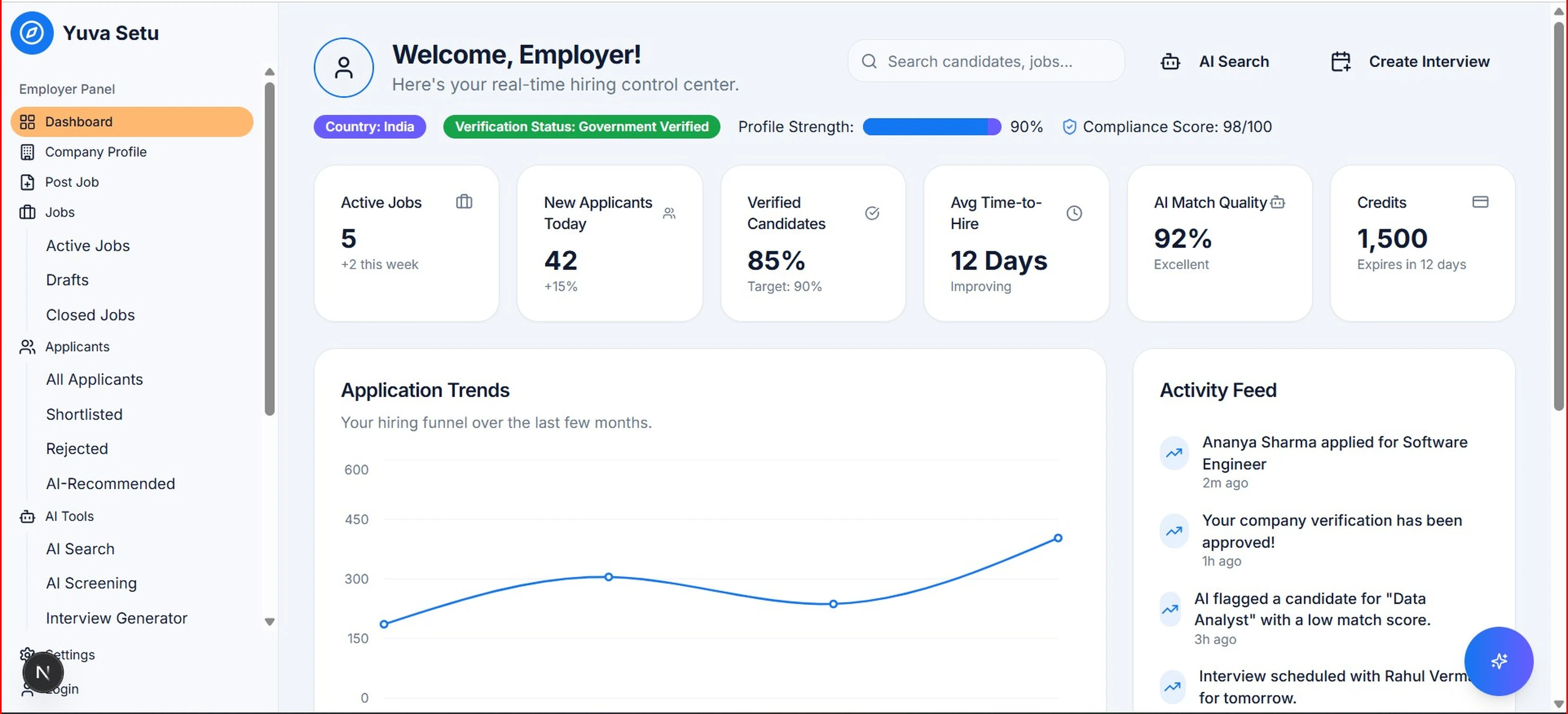
Subscription Dashboard Income for Developers: Honest Numbers from 2026
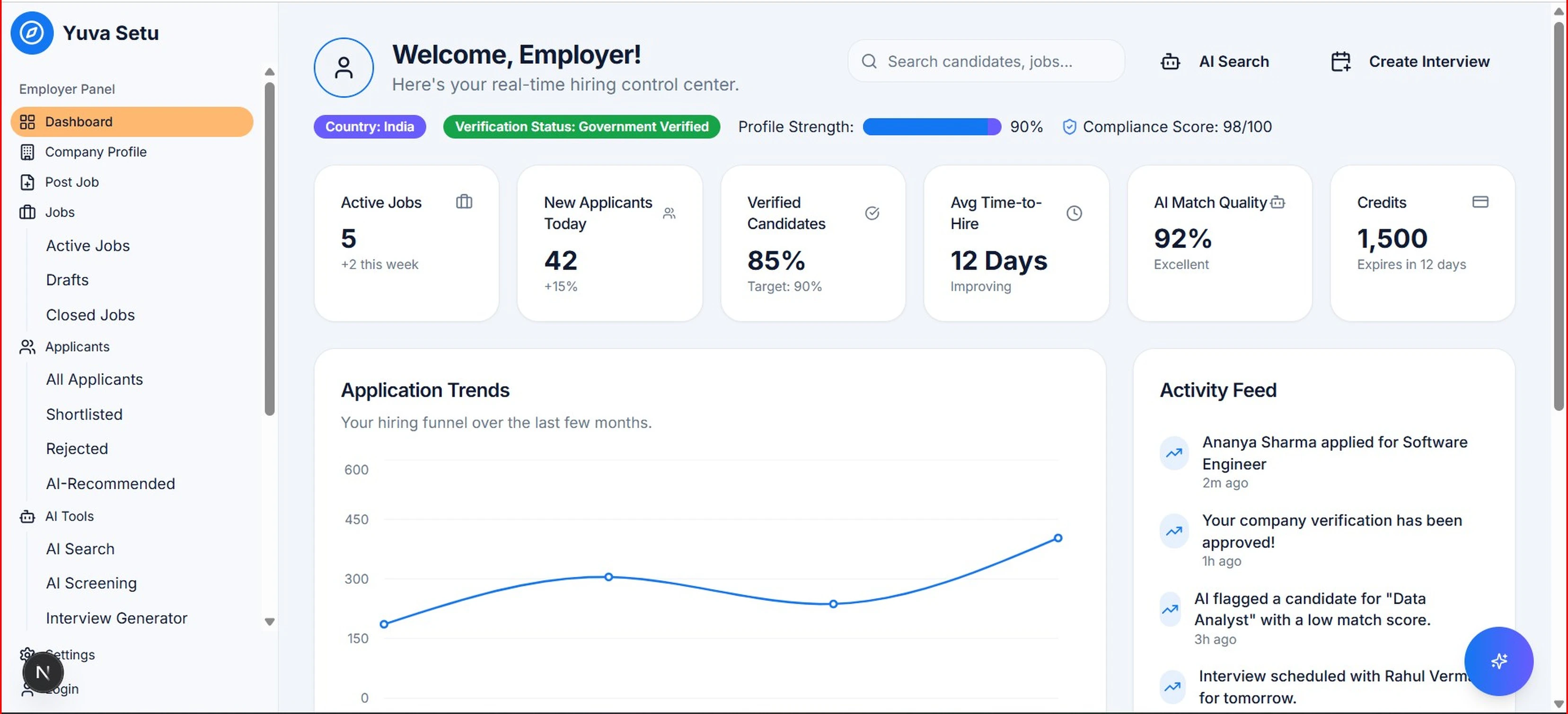
67 niche SaaS products crossed $10,000 MRR in 2026 with fewer than 500 users. Not thousands. Five hundred. That’s the math that makes subscription analytics dashboards worth building — small audiences paying real money for data they can’t get anywhere else.
Key Takeaways
- Niche analytics SaaS products regularly hit $10K MRR with 200-500 paying users at $20-$50/month
- First paying customer typically takes 6-12 weeks if you’re building on an existing community or pain point you know personally
- Stripe + Supabase + Vercel is the cheapest production-ready stack in 2026 — under $50/month to run at early scale
- This is active income disguised as passive — the “boring middle” is customer support, churn fighting, and feature creep
Why Niche Analytics Dashboards Print Money (When They Work)
Generic analytics tools are everywhere. Google Looker Studio, Tableau, Metabase — they’re all trying to serve everyone, which means they serve no one perfectly.
That’s the gap.
A Shopify seller running a vintage streetwear store doesn’t need a full BI platform. She needs to know which drops are converting, which email segments are buying twice, and where her AOV is trending week-over-week. If you build exactly that — nothing more — she’ll pay $29/month without blinking.
The playbook: find a niche with measurable pain, build the three charts they actually care about, charge monthly. It’s boring. It works.
Realistic income ranges here are wide depending on your niche and execution:
- $500-$2,000/month — 20-80 users, early traction, you’re still doing manual onboarding
- $3,000-$8,000/month — 150-300 users, mostly self-serve, some churn management
- $10,000+/month — requires either a strong distribution channel or 12+ months of iteration
The ceiling is high. The floor is frustratingly low for the first 60 days.
Picking the Right Niche (This Decision Makes or Breaks You)
Don’t pick a niche because it sounds interesting. Pick it because you already have access to the users.
Strong niche candidates in 2026:
- Creator economy sub-niches: YouTube channels in specific verticals (cooking, finance, DIY) need subscriber-to-revenue correlation data that YouTube Studio doesn’t provide
- Local service businesses: HVAC companies, dental practices, and landscapers all have booking + revenue data that nobody has built a clean dashboard for
- Discord/community operators: server health metrics, member retention curves, message velocity — tools like Statbot exist but leave huge gaps
- Etsy/marketplace sellers: multi-store inventory vs. listing performance in one view; Etsy’s native analytics are genuinely terrible
The validation test before you write a line of code: find 10 people in your target niche and ask if they’ll pay $19/month right now for a waitlist slot. If fewer than 3 say yes, the pain isn’t sharp enough. Move on.
Reddit is still the fastest place to do this research. r/EtsySellers, r/juststart, r/discordapp — real users complaining about real problems, in public, every day.
The Stack, the Build, and the Actual Timeline
Here’s what a production-ready niche analytics SaaS looks like in 2026 without burning yourself out.
Stack recommendation:
- Next.js 15 — frontend and API routes in one repo
- Supabase — Postgres + auth + row-level security handles multi-tenancy cleanly
- Stripe — subscriptions, webhooks, customer portal; don’t roll your own billing
- Vercel — zero-config deployment, scales automatically
- Recharts or Tremor — chart libraries that don’t require a design degree
Infrastructure cost at launch: roughly $20-$45/month until you hit serious scale.
Realistic timeline:
| Phase | Duration | What you’re doing |
|---|---|---|
| Research + validation | Weeks 1-2 | Reddit, Discord, cold DMs, 10 user conversations |
| MVP build | Weeks 3-6 | Core 3 charts, auth, Stripe checkout, basic onboarding |
| Beta launch | Weeks 7-8 | Free for 14 days, then $19-$29/month |
| First $500 MRR | Weeks 9-16 | Grinding distribution, fixing onboarding drop-off |
That 6-12 week estimate to first paying customer is real, but it assumes you’re moving consistently — 10-15 hours per week on top of a day job. If you’re squeezing in 4 hours on weekends, stretch those timelines out accordingly.
The boring middle nobody talks about:
You’ll get your first 20 users excited. Then growth stalls. Your churn in month 2 is higher than you expected because onboarding wasn’t clear enough. You spend three weeks not building features — you’re writing help docs, answering support tickets on Intercom, and running activation campaigns through Loops.so (their email tool is solid for early SaaS). This is normal. This is the actual job.
Distribution: Where Developers Consistently Fail
Building the dashboard is the easy part. Getting users is the part that separates $200 MRR from $2,000 MRR.
Options that actually work for niche SaaS in 2026:
Communities first. If your product is for Etsy sellers, you should be a helpful, visible member of Etsy seller communities before you launch. Not spamming. Actually helping. Then when you mention you built a tool, people check it out.
Product Hunt — still worth a launch day, but don’t expect miracles. It drives traffic for 48 hours. Plan your trial funnel before you launch there.
AppSumo — genuinely worth considering for a lifetime deal launch early on. You’ll make $8,000-$25,000 in a short burst, which funds runway. Downside: lifetime deal users churn your support capacity and don’t convert to recurring. Eyes open.
SEO is slow but compounds. Target long-tail keywords specific to your niche — “etsy shop analytics dashboard” or “discord server retention metrics” — write two solid articles per month on your blog, and plan for 6-9 months before organic traffic moves the needle.
Active income comparison point: if you spent the same 10-15 hours per week freelancing on Upwork as a senior developer, you’d earn $750-$1,800/week at $75-$120/hr. SaaS doesn’t beat that immediately. It beats it at month 18 if you stick with it.
Next Step
This weekend — specifically Saturday morning, block two hours — go to trends.co or reddit.com/r/SaaS and find one niche complaint that mentions “I wish there was a dashboard for…” Copy the exact quote into a new note. Then open typefully.com and write a single tweet or LinkedIn post describing the problem and asking if anyone would pay $19/month for a solution. Post it, then DM every person who engages with a link to a three-question Typeform (typeform.com — free plan works fine). This takes about 90 minutes total.
When three people fill out that form saying yes, you have enough signal to start the build.
Photo by prashant hiremath on Unsplash