How Developers Make $50/hr on Upwork in 2026: Real Numbers

73% of developers who quit Upwork do it in the first 90 days. Not because freelancing doesn’t work — because they priced themselves at $25/hr, burned out on low-quality clients, and never saw the ramp-up coming. The ones who stuck it out and hit $50/hr or more? They treated the platform like a system, not a lottery ticket.
Here’s what that system actually looks like in 2026.
Key Takeaways
- Upwork developers with 2+ years of experience and a specialized niche average $65-$95/hr in 2026, according to Upwork’s own rate benchmarking data
- First contract typically takes 3-8 weeks to land — longer if your profile isn’t positioned for a specific stack or problem type
- The “boring middle” is real: months 2-6 involve repetitive proposals, inconsistent income, and occasional bad clients before rate increases stick
- $50/hr is not a ceiling — it’s an entry point for mid-level specialists; React + backend devs with TypeScript skills are clearing $80-$120/hr on fixed-scope contracts
Why $50/hr Is Both Realistic and the Wrong Target
Let me be direct about something. $50/hr on Upwork is achievable — but it’s also where developers undersell themselves most often.
Upwork’s 2026 rate data shows the developer market split pretty cleanly:
- Generalists (HTML/CSS, basic WordPress, generic “web dev”): $20-$45/hr
- Mid-level specialists (React, Node, Python/Django, Flutter): $50-$85/hr
- Senior/niche (Solidity, ML pipelines, distributed systems, WebRTC): $90-$150/hr
If you’ve got 3+ years of real experience with a specific stack, you’re in that second tier already. The question isn’t whether you can earn $50/hr — it’s why you’d stop there.
The platform takes a 10% cut after $500 billed with a single client (it was 20% on early earnings before that threshold). Factor that into your rate from day one. $50/hr becomes $45/hr until you cross the threshold. Price accordingly.
Building a Profile That Actually Converts
Your Upwork profile is a sales page. Most developers treat it like a resume. That’s the mistake.
The title is not your job title. “Full-Stack Developer” gets you buried. “React + Node.js Developer for SaaS MVPs and API Integrations” tells a client exactly who you help and how. Specificity wins.
Your overview (formerly “bio”) needs to answer one question in the first two sentences: what problem do you solve, and for who? Not your education. Not your passion for coding. The client’s problem first, your credentials second.
A few things that actually move the needle on profile conversion:
- Portfolio with context. Don’t just show screenshots. Write 2-3 sentences on the problem, your solution, and the outcome. “Reduced API response time by 60% for a SaaS platform handling 50k daily users” beats “built a REST API.”
- Skills test scores. Upwork’s skill assessments are basic, but clients filter by them. Take the relevant ones for your stack. Takes 30 minutes, affects visibility for months.
- Rate anchoring. Set your listed rate 15-20% above your actual floor. Clients expect to negotiate. If you want $50/hr, list $60/hr.
The Proposal Game: What the Numbers Say
Here’s the honest version of proposal math on Upwork in 2026.
Average acceptance rate for new profiles with zero reviews: 3-6%. That means 17-33 proposals before your first contract at best. Sends cost Connects, which Upwork sells in bundles (roughly $0.15 per Connect, and most jobs cost 6-16 Connects to apply). Budget $20-$40 for your first month of proposals. It’s a real cost.
What separates proposals that get responses:
Lead with their specific problem. Read the job post. Actually read it. Reference something specific — the tech stack they mentioned, the deadline they’re worried about, the integration they need. Generic proposals (“I’m a skilled developer with 5 years of experience…”) get ignored.
Keep it short. 150-200 words max for the proposal body. Clients are scanning 30+ applications. Give them a reason to click your profile, not a wall of text.
Ask one smart question. Ends the proposal with something like “Is the main concern here performance or maintainability of the codebase?” It signals you think like an engineer, not just a feature factory.
Timeline to first contract: realistically 3-8 weeks if you’re sending 5-10 quality proposals per week. First job rate will likely be $35-$50/hr even if you’re worth more — the no-review penalty is real. Take one job at market rate to get the review, then raise your rate.
The Actual Earnings Trajectory (Month by Month)
Stop expecting passive income from Upwork. It’s active income, full stop. Time for money, with leverage coming from rate increases over time — not from some automated system.
Realistic earnings timeline for a mid-level developer:
| Period | Hours/Week | Rate | Monthly Gross |
|---|---|---|---|
| Month 1-2 | 5-10 hrs | $35-$45/hr | $700-$1,800 |
| Month 3-5 | 10-15 hrs | $50-$65/hr | $2,000-$3,900 |
| Month 6-12 | 15-20 hrs | $65-$90/hr | $3,900-$7,200 |
The “boring middle” hits hard around months 2-5. You’ve got one or two reviews, you’re past the beginner rate, but you haven’t built enough repeat clients or profile authority to be selective yet. You’ll write proposals that get ghosted. You’ll have a slow week and doubt the whole thing. This is normal. It’s also where most people quit.
What gets you through it: one or two anchor clients who give you consistent work. Upwork’s “My Clients” feature shows repeat hiring patterns — when you do good work, message past clients proactively every 4-6 weeks with a relevant update or question. Repeat business at your full rate beats fighting for new clients at a discount every time.
The Honest Downsides
Upwork has real friction. Connects cost money. The algorithm favors profiles with high Job Success Scores (JSS), which you can’t build without clients, which you can’t get without a good profile — the classic cold-start problem.
There’s also client quality variance. Fixed-price jobs under $500 tend to attract scope-creep clients. Hourly contracts over $50/hr with clear scopes attract better clients. Filter accordingly.
Competition is global. Developers from lower cost-of-living regions do compete on price. You don’t win that race. You win by specializing and communicating clearly in English — two things that separate a $40/hr generalist from an $80/hr specialist.
If you’re starting this week, do one thing: spend two hours rewriting your Upwork profile title and overview using the positioning framework above — specific stack, specific client type, specific problem solved. Then send five quality proposals before the end of the week. Not ten mediocre ones. Five real ones. That’s the actual first step.
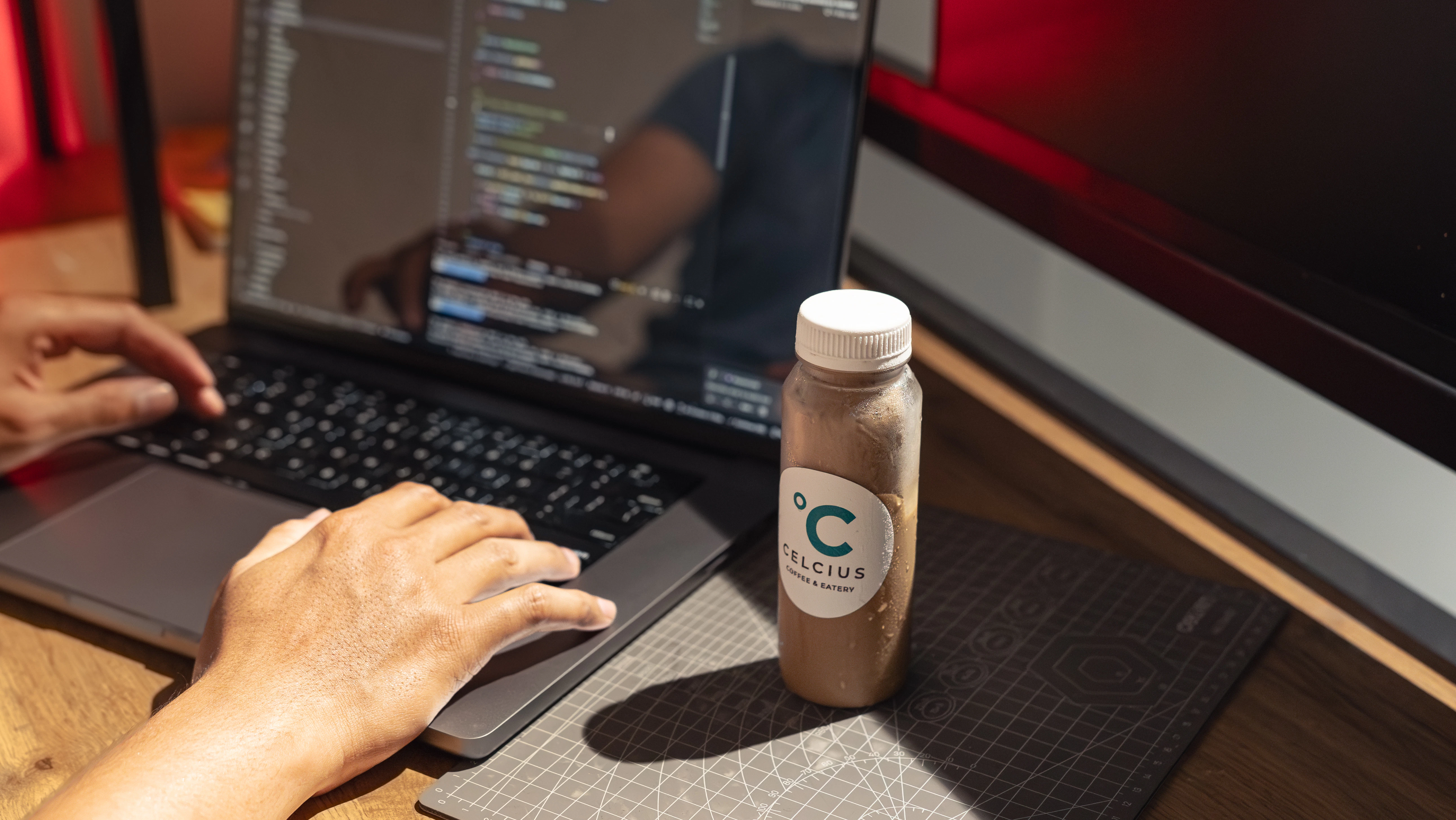
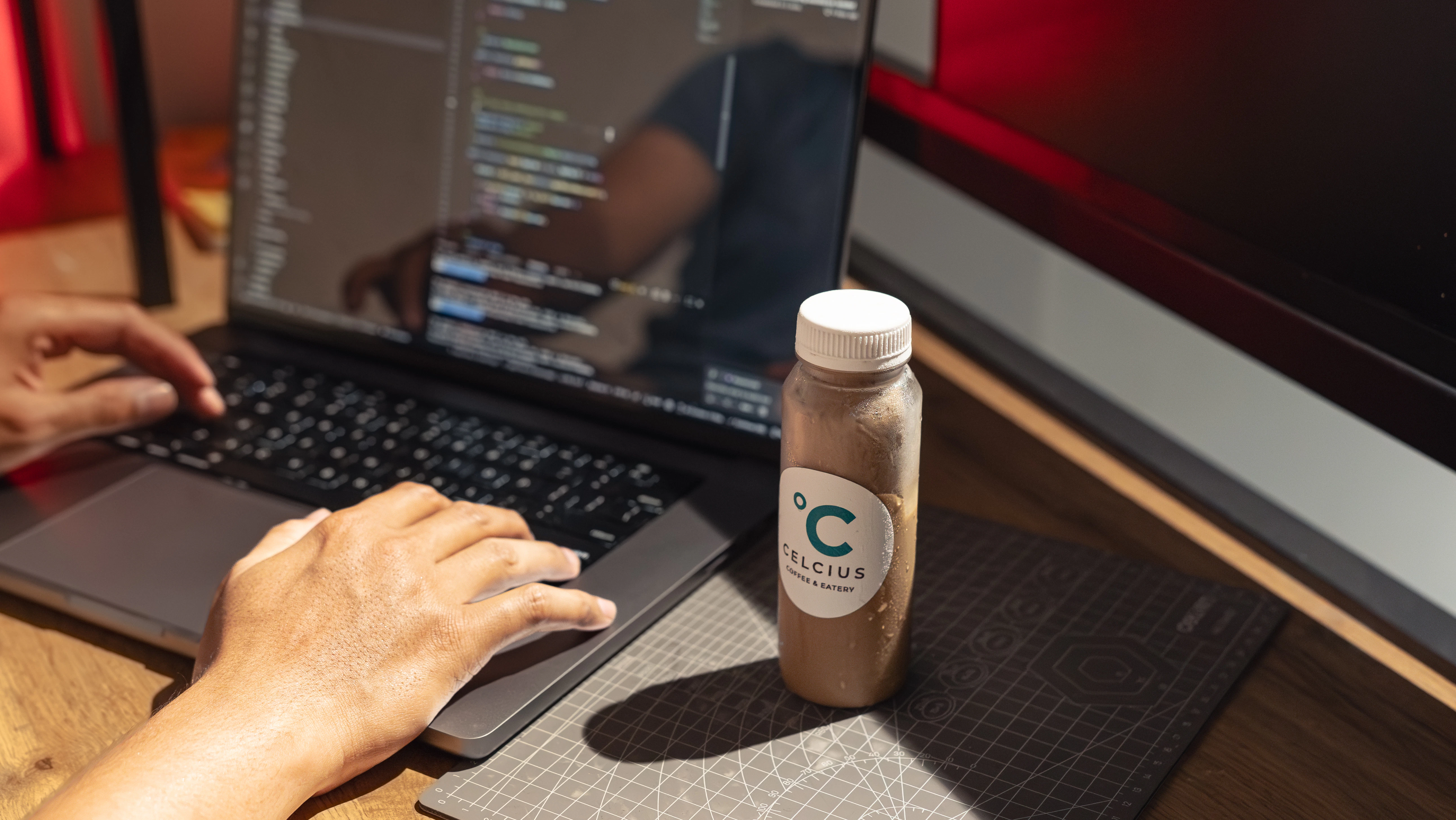
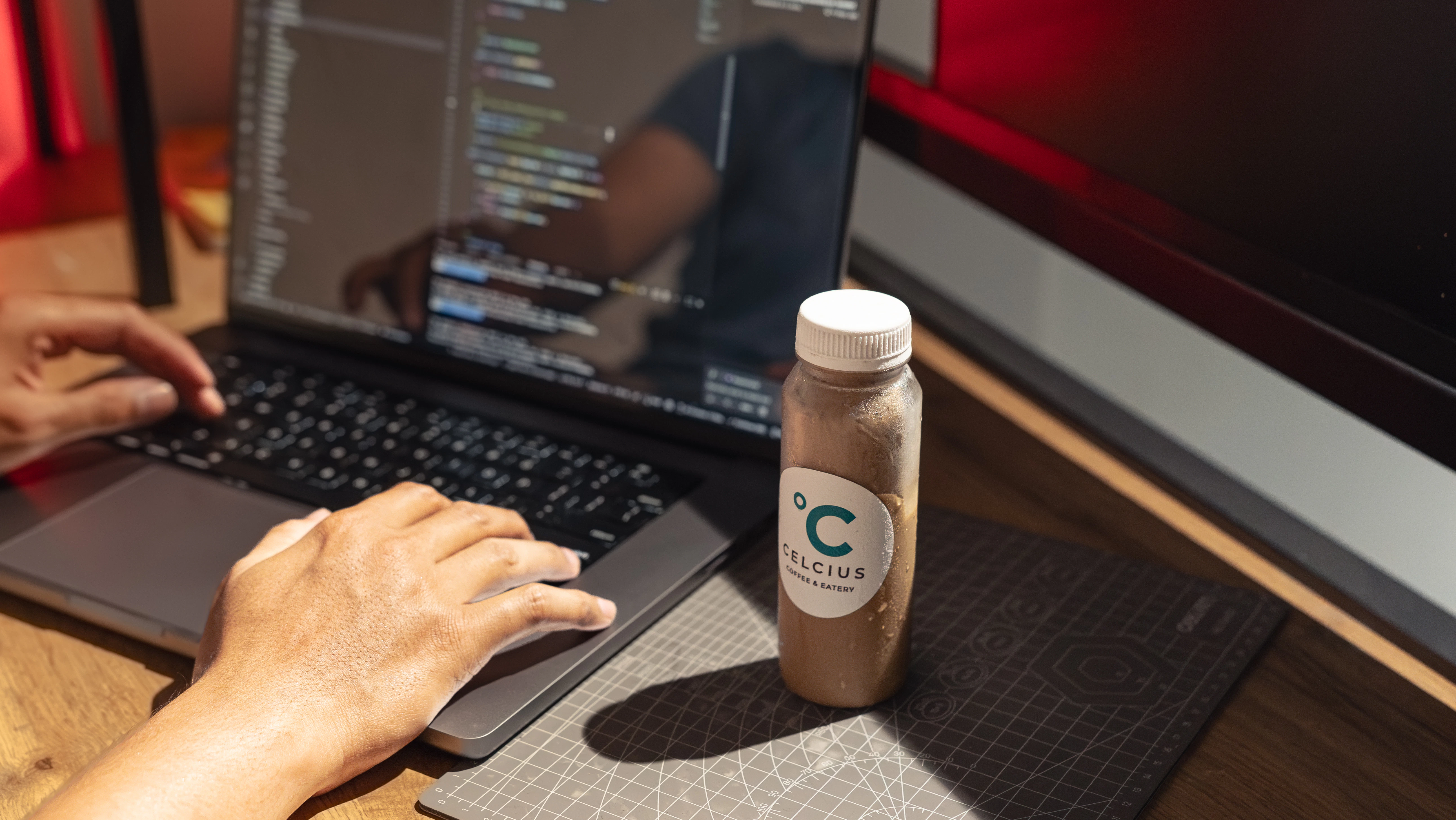
Photo by Kasra Askari on Unsplash
Related Posts
- How Developers Make $75-$150/hr Freelancing Without Underselling: Real Numbers
- Freelance vs Full-Time Income for Developers: Honest Numbers from 2026
- Open Source Developer Tools Income for Developers: Honest Numbers from 2026
- How Developers Make $1,000–$5,000/mo Selling Chrome Extensions: Real Numbers
- Claude API Side Project Income for Developers: Honest Numbers from 2026