Best Flight Deals & Travel Tips for 2026 Adventures
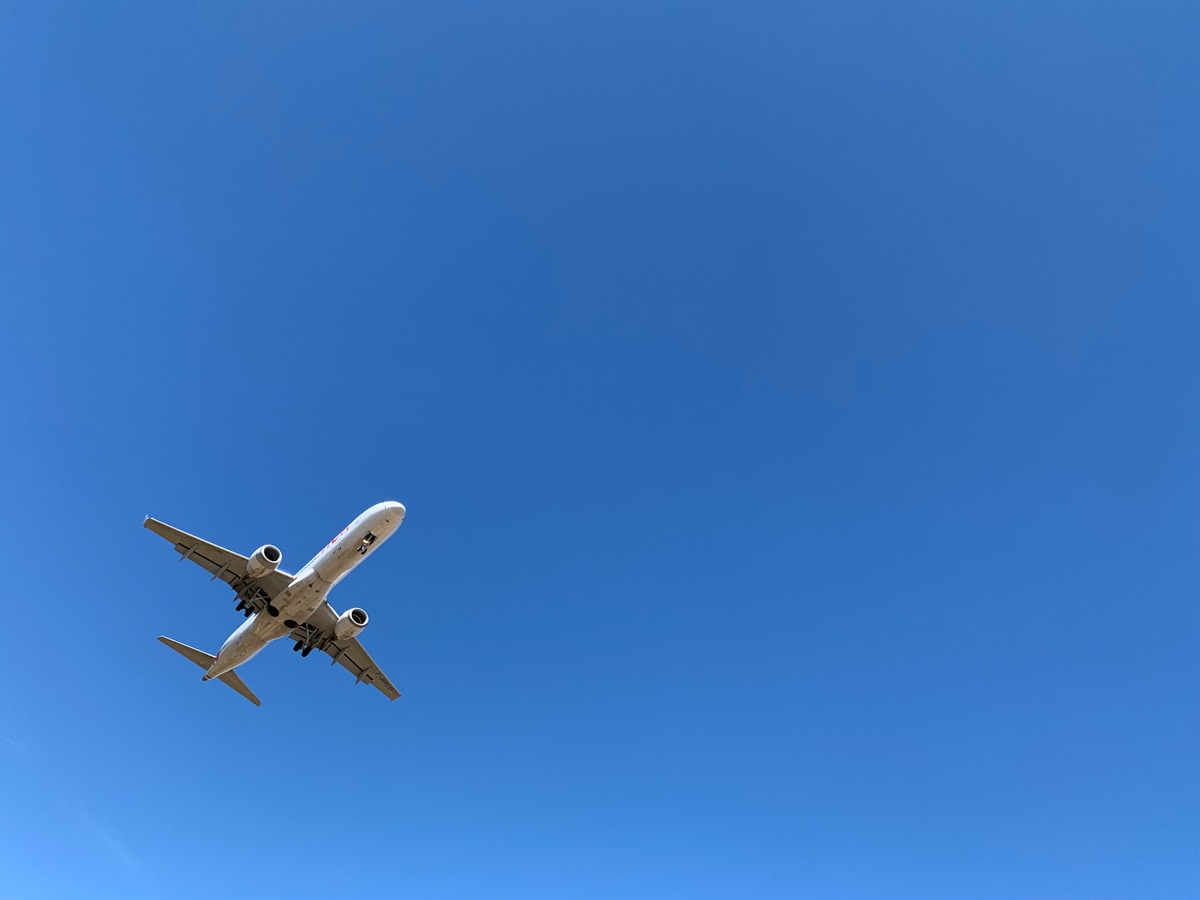
You’ve been there, right? Standing at the gate, watching your departure time come and go while airline staff avoid eye contact and mumble something about “operational issues.” What used to be an occasional travel hiccup has become the defining characteristic of modern air travel.
Just this week, a United Airlines flight from Washington D.C. to San Francisco got diverted to Chicago because of an unruly passenger. Meanwhile, Winter Storm Fern forced Delta to cancel hundreds of flights across five states, leaving thousands of travelers stranded in airports that looked more like refugee camps than transportation hubs.
Here’s the thing: these aren’t isolated incidents anymore. They’re the new normal, and most travelers are still planning trips like it’s 2019.
The Numbers Don’t Lie — Air Travel Is Broken
Industry reports show that passenger incidents requiring flight diversions have increased by 40% since 2024. Weather-related cancellations have surged alongside this figure, creating a perfect storm that’s reshaping how we think about flying.
But here’s what the airlines won’t tell you: many of these problems are self-inflicted.
Staffing shortages continue to plague major carriers, even after years of supposed recovery efforts. Recent data indicates that airlines are operating with 15% fewer staff than pre-2020 levels, while passenger volume has returned to normal. You don’t need an MBA to see why that math doesn’t work.
When you combine skeleton crews with increasingly stressed passengers and more frequent severe weather events, you get chaos. That United flight diversion to Chicago? It didn’t just affect those passengers. It created a domino effect that delayed dozens of other flights, stranded crews in the wrong cities, and overwhelmed Chicago’s airport facilities.
The ripple effects are massive, but airlines have gotten surprisingly worse at managing them. The technology exists to predict and mitigate many issues, yet passengers are still finding out about cancellations via text message while sitting at the gate. Sound familiar?
When Weather Becomes Your Flight’s Worst Enemy
Winter Storm Fern’s impact on Delta illustrates how quickly Mother Nature can turn your carefully planned trip into a logistical nightmare. The airline had to cancel flights across five states and expand their waiver policies, but even those customer-friendly gestures can’t fix the fundamental problem.
Our flight system isn’t built for climate unpredictability.
Airlines are still using weather prediction models that work fine for normal patterns but fail spectacularly when storms behave unexpectedly. According to meteorological reports, Fern caught many carriers off guard despite being tracked for days. The disconnect? Airlines rely on automated systems that can’t adapt quickly enough to rapidly changing conditions.
Smart travelers have started tracking weather patterns independently, sometimes knowing about potential disruptions before the airlines do. Flight tracking apps now show weather overlays, giving passengers a clearer picture than official airline communications provide.
But here’s where it gets interesting: industry insiders reveal that about 30% of weather-related cancellations could be avoided with better planning. Airlines often cancel flights preemptively to avoid crew overtime costs, using weather as convenient cover. This approach can backfire spectacularly when the weather actually improves, leaving passengers stranded while perfectly flyable skies mock them through terminal windows.
The Real Cost of Flight Chaos (Spoiler: You’re Paying It)
Every flight disruption costs airlines money, but they’ve become masters at passing those costs to you. You might assume that when your flight gets diverted like that United flight to Chicago, the airline covers everything. The truth is more complicated and expensive.
Hotels, meals, and rebooking fees add up quickly. Most passengers don’t realize they’re entitled to compensation beyond basic refunds, especially for controllable delays. European passengers have stronger protections under EU regulations, but U.S. travelers often end up absorbing hundreds in unexpected costs.
Case studies show that business travelers are now building extra buffer days into important trips. Families are avoiding connecting flights entirely. Leisure travelers are choosing to drive distances they would have flown just a few years ago.
This isn’t always about money – the psychological toll is harder to measure but equally real.
Airlines have responded by offering more flexible booking policies, but these often come with higher base prices. You’re essentially paying insurance premiums upfront for problems that shouldn’t exist in the first place. It’s like buying a car and paying extra for the option to have working brakes.
When this doesn’t work? When you’re dealing with budget carriers that offer flexibility policies with more loopholes than actual protection, or when you’re traveling during peak times when rebooking options are virtually nonexistent.
What This Actually Means for Your Next Trip
You might be thinking, “Okay, but what am I supposed to do about it?”
Look, the current state of air travel demands a completely different approach to trip planning. The old rules – book early, arrive early, hope for the best – don’t just fail anymore; they set you up for disaster.
Experienced business travelers now book refundable tickets even when they cost 40% more, because the flexibility has become worth more than the savings. They’re choosing morning flights over afternoon departures, since weather and crew issues compound throughout the day like a snowball rolling downhill.
Here’s what actually works: treating every flight like it might not happen. That means having backup plans for your backup plans, booking accommodations with flexible cancellation policies, and never scheduling important meetings on your arrival day.
The data shows that connecting flights fail at nearly twice the rate of direct flights, yet people keep booking them to save $100. Stop it. Your time and sanity are worth more than whatever you think you’re saving.
Airlines keep promising improvements, but systemic changes take years to implement. Recent reports indicate that major infrastructure upgrades won’t be completed until 2028 at the earliest. In the meantime, every flight carries risks that were unthinkable just a few years ago.
The reality is harsh but simple: air travel has fundamentally changed, and most travelers haven’t adapted their strategies to match. Those who have are sailing through disruptions while others are sleeping on airport floors, wondering what went wrong.
Are you prepared for the reality that your next flight might not go according to plan, or are you still booking trips like the airlines actually work the way they’re supposed to?
References
- United Airlines flight from D.C. to San Francisco diverted to Chicago due to unruly passenger - CBS
- Winter Storm Fern update: Delta cancels flights in five states, expands waivers for customers to adj
Photo by JAVIER SEPULVEDA PASCUAL on Unsplash
You Might Also Like
School Closings & Delays: 2026 Updates You Need to Know
You’re standing in your kitchen at 5:30 AM, lunch half-packed, when your …

Casper Ruud's 2026 Tennis Journey: Latest News & Updates
You’re watching tennis highlights and notice something different about …
Shabu-yo Review: Japan's Best All-You-Can-Eat Hotpot
You walk into しゃぶ葉 expecting a simple all-you-can-eat shabu-shabu experience, …

2026 James Beard Semifinalists: Top Chef Contenders Revealed
You’ve been following your favorite restaurants and chefs all year, …