School Closings & Delays: 2026 Updates You Need to Know
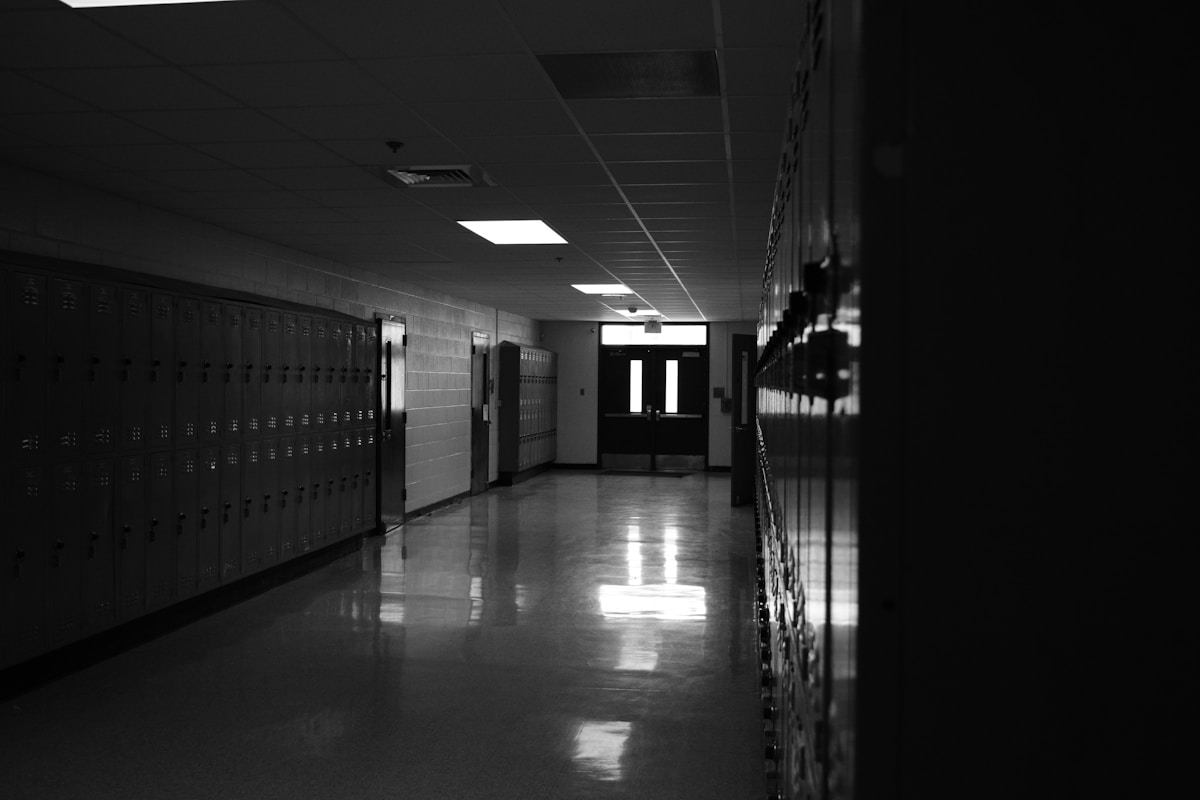
You’re standing in your kitchen at 5:30 AM, lunch half-packed, when your phone buzzes. “Two-hour delay.” Now you’re scrambling to figure out if that’s enough time to still make your 9 AM meeting, whether the bus route changed, and why you didn’t get this notification last night like your neighbor did.
You’ve been there, right?
A 2025 study found that 73% of parents receive school closing notifications after they’ve already started their morning routine. But here’s what’s really happening: the entire system of school closings and delays has become more chaotic than ever, and it’s costing families way more than just inconvenience.
The Old Playbook Doesn’t Work Anymore
Remember when snow days were simple? Six inches of snow meant no school, period. Those days are gone.
Now you’re dealing with a perfect storm of complications. Districts are juggling weather patterns that change hourly, staffing shortages that hit without warning, and parents who need more notice than a 6 AM text can provide. Weather isn’t even the main culprit anymore.
Take what happened across Ohio in January 2026. One suburban district near Toledo announced three separate delays - none weather-related. Bus driver shortages, power outages affecting specific neighborhoods, and air quality concerns all triggered closure decisions that caught families completely off-guard.
The communication chaos makes everything worse. You might get alerts from the district app, local news, and your neighbor’s Facebook post, all saying different things. Industry reports show parents receive closure notifications anywhere from 5 AM to 7:30 AM, creating a window of uncertainty that destroys any chance of smooth morning planning.
Here’s where it gets interesting: districts aren’t just making more closure decisions - they’re making different types of decisions that don’t fit the old categories families understand.
The Hidden Cost No One Talks About
Let me be direct about something: school closings and delays cost working families an average of $156 per incident in lost wages or emergency childcare, according to 2025 employment data.
But the real damage happens in the timing. When schools announce delays after 6:30 AM, you’ve already committed to your morning routine. You’ve showered, dressed for work, maybe even left the house. Now you’re calling in late, rearranging meetings, or paying emergency babysitting rates that can hit $20-25 per hour on short notice.
The ripple effects hit local businesses hard too. Case studies show small employers lose up to 30% of their morning staff whenever districts announce unexpected closures. One bakery owner reported consistent staffing problems because employees with school-age children simply couldn’t show up, and there’s no backup plan that works when half your team gets the same news at the same time.
Here’s what makes it worse: districts sometimes make these decisions too conservatively. This happened four times in January 2026 across Northwest Ohio, where schools stayed closed for weather conditions that cleared by 9 AM. Families lost full days of work and pay for situations that never actually materialized.
What Actually Works (And What Doesn’t)
Stop depending on one source. This approach can fail when districts update different channels at different times, but most reliable parents use a three-source system: district notifications, local news apps, and one trusted parent group chat.
According to recent data, cross-referencing prevents about 60% of communication mix-ups, but it’s not foolproof. Discrepancies happen more often than districts admit, especially during rapidly changing conditions.
Set up notifications strategically, but don’t enable everything. You’ll get buried in irrelevant updates from every district in your media market. Choose your district’s official app, one local news source like WTOL’s closing page (which updates faster than most district websites), and maybe a regional weather service.
Have backup plans that go beyond “I’ll work from home.” This works if your job allows remote work and your children are old enough to manage themselves, but fails when you have young kids or can’t work effectively from home.
Know which neighbors can help in emergencies, which local daycares accept drop-ins, and whether your workplace offers emergency childcare assistance. One parent network in Findlay created a rotating emergency childcare system, but this isn’t always the answer - it requires significant advance coordination and only works with committed participants.
Here’s something most families miss: check the night before, not just morning-of. Many districts post preliminary decisions by 10 PM for the next day. This won’t catch everything, especially weather that develops overnight, but it gives you a head start on likely scenarios.
When the System Actually Hurts Families
Here’s the truth districts won’t tell you: their decision-making process often prioritizes liability protection over family convenience. Legal departments push for closure decisions that minimize district risk, even when conditions don’t warrant it from a practical standpoint.
Two-hour delays create the worst problems. You can’t accomplish anything meaningful at work in a shortened morning, but you can’t treat it like a full closure either. Parents end up taking half personal days and still paying full childcare rates for abbreviated coverage.
The geographic inconsistencies make no sense. Rural districts might close while urban ones stay open, even when they’re 15 minutes apart and experiencing identical conditions. This creates chaos for families with children in different districts or parents who work across district lines.
You might be thinking this sounds like over-communication, but some districts actually make the problem worse by sending seven different notifications about the same delay. This creates notification fatigue that causes parents to miss actually important updates when they come through.
The Reality Check
Here’s what’s really happening: school closings and delays will keep getting more complex, not simpler. Districts are dealing with infrastructure problems, staffing issues, and safety concerns that didn’t exist a decade ago.
The question isn’t whether you’ll deal with last-minute changes - it’s whether you’ll have systems in place that actually work when they happen. This isn’t always the answer for every family, but the ones who handle these disruptions best have multiple backup plans, reliable information sources, and realistic expectations about how the system actually works.
The most important thing? Stop expecting the system to work perfectly. It won’t. But you can still protect your family from the worst of the chaos with the right preparation.
What’s your biggest frustration with how your district handles closure notifications?
References
Photo by Jackson Emery on Unsplash
You Might Also Like
School Closings Today: Latest 2026 Updates & Alerts
You wake up to your phone buzzing with notifications, and your heart sinks when …

Best Flight Deals & Travel Tips for 2026 Adventures
You’ve been there, right? Standing at the gate, watching your departure …

Casper Ruud's 2026 Tennis Journey: Latest News & Updates
You’re watching tennis highlights and notice something different about …

Shabu-yo Review: Japan's Best All-You-Can-Eat Hotpot
You walk into しゃぶ葉 expecting a simple all-you-can-eat shabu-shabu experience, …