iPad mini 8 OLED: Is the Upgrade Worth It If You Own Mini 6
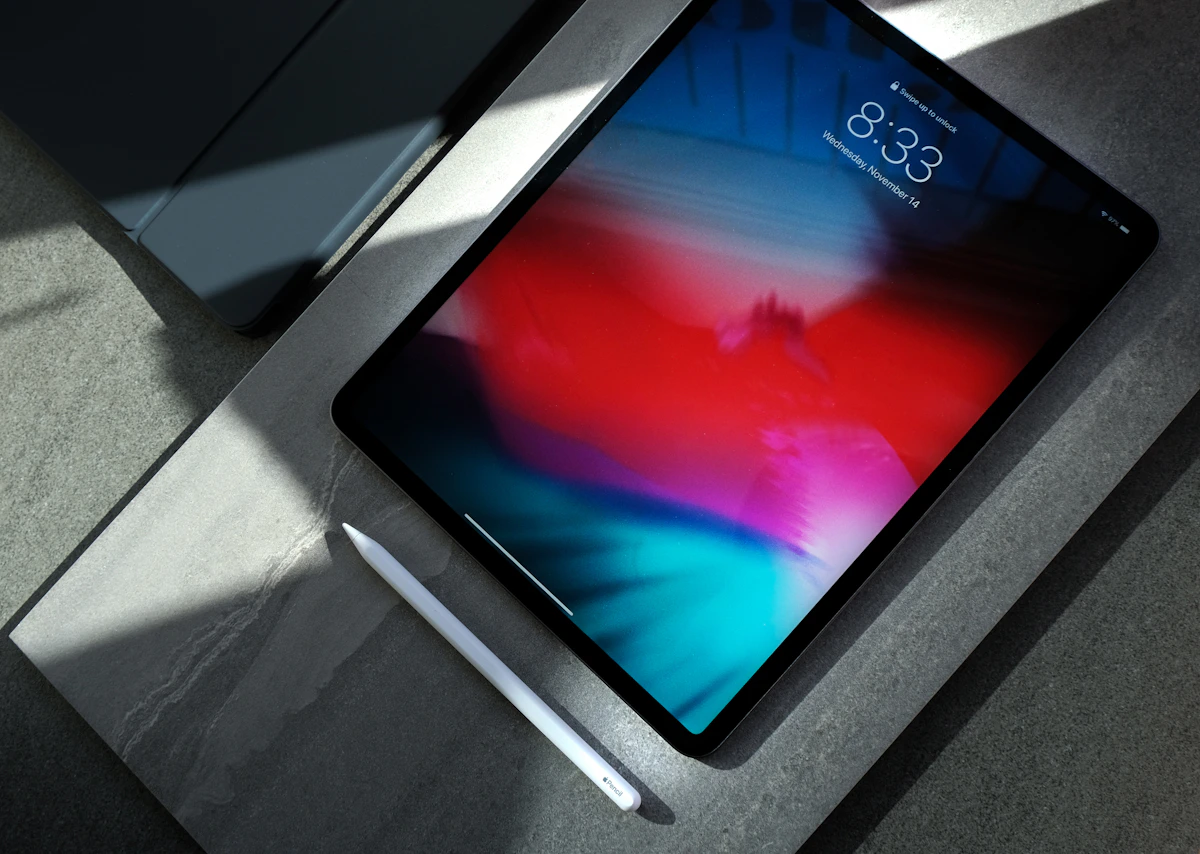
Apple’s smallest iPad is about to get its most significant overhaul in years. The jump from LCD to OLED — combined with a thinner chassis, a larger screen, and a completely new chip — makes the mini 8 genuinely interesting hardware. But “interesting hardware” and “worth $699+” are two entirely different questions, especially if your mini 6 still runs every app you need.
The mini 6 launched in September 2021 with an A15 Bionic chip. That chip wasn’t slow then, and it’s not broken now. The real question isn’t whether the mini 8 is better — it obviously is. The question is whether the specific improvements justify the cost delta for someone already holding a functioning device.
For mini 6 owners specifically, the answer leans strongly toward yes. But the math depends on which features you actually use.
Key Takeaways
- According to MacRumors, the iPad mini 8 starts at $699 Wi-Fi — a $200 increase over the mini 7’s original $499 entry price, making it the most expensive mini ever.
- The OLED panel measures 8.5 inches with 1,200 nits peak HDR brightness and a 2,000,000:1 contrast ratio — a categorical display upgrade over the mini 6’s Liquid Retina LCD.
- The A20 Pro chip delivers 60% faster multithreaded CPU performance and 4.5x faster AI inference versus the A17 Pro, with mini 6 owners jumping four chip generations.
- Battery life, USB-C speeds, storage options, and Apple Pencil compatibility remain unchanged from mini 6 — none of these are reasons to upgrade.
What Mini 6 Owners Are Actually Working With
The iPad mini 6 shipped with an 8.3-inch Liquid Retina LCD (2266 x 1488, 326 ppi), an A15 Bionic chip, USB-C at USB 2.0 speeds, and Apple Pencil 2nd generation support. Strong device at launch. Five years on, it still handles email, reading, light creative work, and streaming without drama.
But Apple’s software support timeline matters here. The mini 6 runs iPadOS 18, but the A15 chip puts it in the same bracket as devices that typically age out of major OS updates within one to two cycles. Apple hasn’t confirmed end-of-life for the mini 6, but the trajectory of A15-era devices suggests 2027 is a realistic cutoff for full feature parity on new iPadOS releases — particularly anything touching Apple Intelligence.
The mini 6 isn’t failing. It’s aging toward a wall.
The mini 8 clears that wall entirely. The A20 Pro on TSMC’s 2nm process, announced alongside the mini 8 in late 2026, positions this device for a probable six to seven year software support window — matching what Apple delivered for the A12-era iPad mini 5 before its eventual deprecation.
The Display Gap Is Larger Than It Looks on Paper
LCD vs. OLED comparisons usually focus on contrast ratios. That number — 2,000,000:1 on the mini 8 versus roughly 1,500:1 on the mini 6’s LCD — sounds abstract. The practical difference isn’t.
OLED achieves true blacks by cutting power to individual pixels entirely. On the mini 6, dark content — night mode apps, video with letterboxing, dark-mode UI — produces visible gray glow in dim environments. OLED eliminates that completely. For a device most people use in bed, on flights, or in lower-light reading contexts, that’s a daily-use improvement, not a spec-sheet one.
The mini 8’s screen also grows from 8.3 to 8.5 inches with 24% thinner bezels, according to MacRumors. More content area in effectively the same physical footprint. Peak HDR brightness hits 1,200 nits — the mini 6 tops out around 500 nits, which becomes genuinely limiting in bright outdoor conditions.
One confirmed absence worth flagging: ProMotion (120Hz) remains unconfirmed as of October 2026. According to Zeera Wireless, the rumored panel specs don’t confirm a tandem OLED design. Scrolling smoothness may not see a meaningful step-change — worth verifying at launch before committing.
The Chip Jump Is Four Generations, Not One
Mini 6 runs A15. Mini 8 runs A20 Pro. That’s not one generation of incremental improvement — it’s four years of architectural changes compounding on each other.
The concrete numbers: 60% faster multithreaded CPU, 2.7x faster GPU, and 4.5x faster AI performance versus the A17 Pro in the mini 7. Memory bandwidth doubles to 115.2 GB/s. For mini 6 owners, the real-world translation is significant — the A20 Pro handles on-device Apple Intelligence features that the A15 simply cannot run locally.
Not using AI features today? That advantage is still future-facing. iPadOS 19 will almost certainly gate more native intelligence features behind A17+ chips. The mini 6 won’t make that cut.
This approach can fail when the AI features being gated simply don’t match your workflow. If you’re using the mini for PDF annotation, e-reading, or basic productivity, the chip generational gap matters far less than the display upgrade. Know which column you’re in before spending $699.
Physical Design: Thinner, Lighter, Actually Different
The mini 8 comes in at 5.4mm thick and 255g. The mini 6 is 6.3mm and 293g, according to MacRumors. That’s 14% thinner and 13% lighter. Held in one hand for extended reading or note-taking sessions, that difference registers physically — more than most reviewers credit.
IP67 water resistance is new. The landscape front camera finally makes FaceTime and video calls feel less awkward. The Acoustic Display — tweeters concealed within the screen itself — replaces the external speaker holes.
What didn’t change: USB-C speed (still USB 2.0 equivalent), Apple Pencil compatibility, battery capacity, and storage tiers. Thunderbolt and USB 3 transfers aren’t happening here.
Where It Actually Matters: mini 6 vs. mini 8
| Feature | iPad mini 6 (2021) | iPad mini 8 (2026) | Impact for mini 6 Owners |
|---|---|---|---|
| Display | 8.3" LCD, ~500 nits, 1,500:1 | 8.5" OLED, 1,200 nits HDR, 2M:1 | High — daily visible difference |
| Chip | A15 Bionic (5nm) | A20 Pro (2nm) | High — Apple Intelligence gating |
| Weight/Thickness | 293g / 6.3mm | 255g / 5.4mm | Medium — meaningful for long sessions |
| Software longevity | ~1-2 years remaining | ~6-7 years projected | High — critical for value calculation |
| USB-C speed | USB 2.0 | USB 2.0 | None — no change |
| Water resistance | None | IP67 | Low-Medium |
| Price (base Wi-Fi) | $499 at launch | $699 | $200 gap |
| Apple Pencil support | 2nd gen | Unchanged | None |
The display and chip columns matter most. Everything else is incremental.
Who Should Pull the Trigger — and Who Should Wait
Mini 6 owners who read, sketch, or watch video regularly: This upgrade makes sense. The OLED display improvement is daily-use, not theoretical. The A20 Pro secures another six-plus years of software support. At $699 base, that’s roughly $100 per year amortized over the device’s useful life — comparable to the mini 6’s original value proposition.
Mini 6 owners using it primarily for productivity (documents, email, light browsing): Harder case. The A15 handles those tasks fine today. But if you’re already noticing slowdowns with iPadOS 18’s heavier AI processing features, the ceiling is becoming visible. Waiting for launch reviews to confirm real-world performance gains before committing $699 is the more defensible move.
Mini 6 owners who bought discounted mini 7 stock: Skip the mini 8 entirely. The mini 7’s A17 Pro handles Apple Intelligence locally and will receive OS support well into the early 2030s. The display jump from mini 7 to mini 8 is meaningful — just not $200 meaningful for a device purchased within the last 18 months.
Three things to verify at launch:
- Whether ProMotion (120Hz) appears in final specs — that’s the missing piece for a true Pro-tier display experience
- Real-world battery benchmarks, since capacity is unchanged but OLED efficiency may extend runtime
- Whether Apple confirms a 256GB base tier, which would narrow the equivalent-capacity price gap to $100 versus mini 7
The Bottom Line
The worth-it calculation for mini 6 owners breaks down to three things: display quality, software longevity, and price tolerance.
The OLED panel is a genuine, every-day improvement — not a spec-sheet upgrade. The A20 Pro chip secures six-plus years of software support while the A15 probably has one to two years of full-feature parity left. The physical redesign, 14% thinner and 13% lighter, matters more than reviewers typically credit for a hand-held device. USB-C speed, Apple Pencil support, and battery capacity didn’t change — don’t factor those into your decision.
Over the next six to twelve months, iPadOS 19 will likely draw a harder line between A17+ and older chips, particularly for on-device AI processing. That’s the actual forcing function for mini 6 owners — not the mini 8’s specs in isolation.
If the mini 6 is your primary device for reading, creative work, or video, the mini 8 is a defensible $699 spend. If it’s a secondary device handling email and light tasks, wait until iPadOS 19 betas clarify exactly where Apple draws the AI feature cutoff. That announcement will make the decision obvious.
What’s your primary use case for the mini 6? That single variable determines whether this upgrade makes financial sense.
Photo by Francois Hoang on Unsplash