iPhone 16 vs Samsung Galaxy S25: Which Is Better for Everyday Users
The Galaxy S25 wins on raw specs. But for everyday non-tech users, “better” rarely means “more megapixels” — and that distinction is worth taking seriously before you spend $400–$500 on either device.
Key Takeaways
- The Samsung Galaxy S25 outperforms the iPhone 16 on display quality (120Hz vs. 60Hz), battery life (7h 6min vs. 6h 21min screen-on-time), and camera hardware (triple vs. dual lens), according to Back Market’s April 2026 comparison.
- The iPhone 16 wins on ecosystem cohesion — users already inside Apple’s stack (Mac, iPad, AirPods) lose significant functionality switching away.
- Refurbished Galaxy S25 pricing starts at ~$375 vs. ~$479 for the iPhone 16, making the S25 the stronger value-tier flagship after the S26 launch.
- Samsung promises 7 major Android upgrades; Apple hasn’t published a comparable commitment for iPhone 16, though historical iOS support runs 5–6 years.
- For a non-tech user whose life isn’t already Apple-connected, the Galaxy S25 is the stronger everyday device in October 2026.
Bottom Line Up Front
The Galaxy S25 is the better everyday phone for most non-tech users. Brighter display, longer battery, lower price — especially on the refurbished market now that Samsung has launched the S26.
That said, the iPhone 16 is the right call for one specific group: anyone already using an iPhone, Mac, iPad, or AirPods. Switching away costs them Handoff, iMessage, AirDrop, and iCloud continuity. That’s a real daily-use penalty, not a theoretical one. The S25’s spec advantages don’t compensate for that.
This comparison covers four dimensions that actually matter for non-tech users:
- Display and everyday readability
- Battery life and charging speed
- Camera quality for casual photography
- Ecosystem lock-in and software longevity
TL;DR
- Use Galaxy S25 if: You’re buying your first smartphone, switching from Android, or want the most hardware for your money
- Use iPhone 16 if: You already own Apple devices and rely on iMessage, AirDrop, or Handoff daily
- Skip both if: Budget is tight — the refurbished S25 at ~$375 or a refurbished iPhone 15 are both worth considering first
The Contenders
Samsung Galaxy S25 is Samsung’s standard 2025 flagship, now effectively a value-tier device after the S26 launched earlier in 2026. It runs Android 15 with Samsung’s One UI on a Snapdragon 8 Elite chip (3nm), paired with 12GB RAM. Samsung replaced Bixby with Google Gemini Live as its AI assistant — a meaningful upgrade for everyday usability. According to Phonebot’s 2026 comparison, it starts at A$1,399 for 128GB new, with refurbished units available from ~$375 USD. Triple rear cameras, an adaptive 120Hz AMOLED display, and a 4,000mAh battery round out the core package.
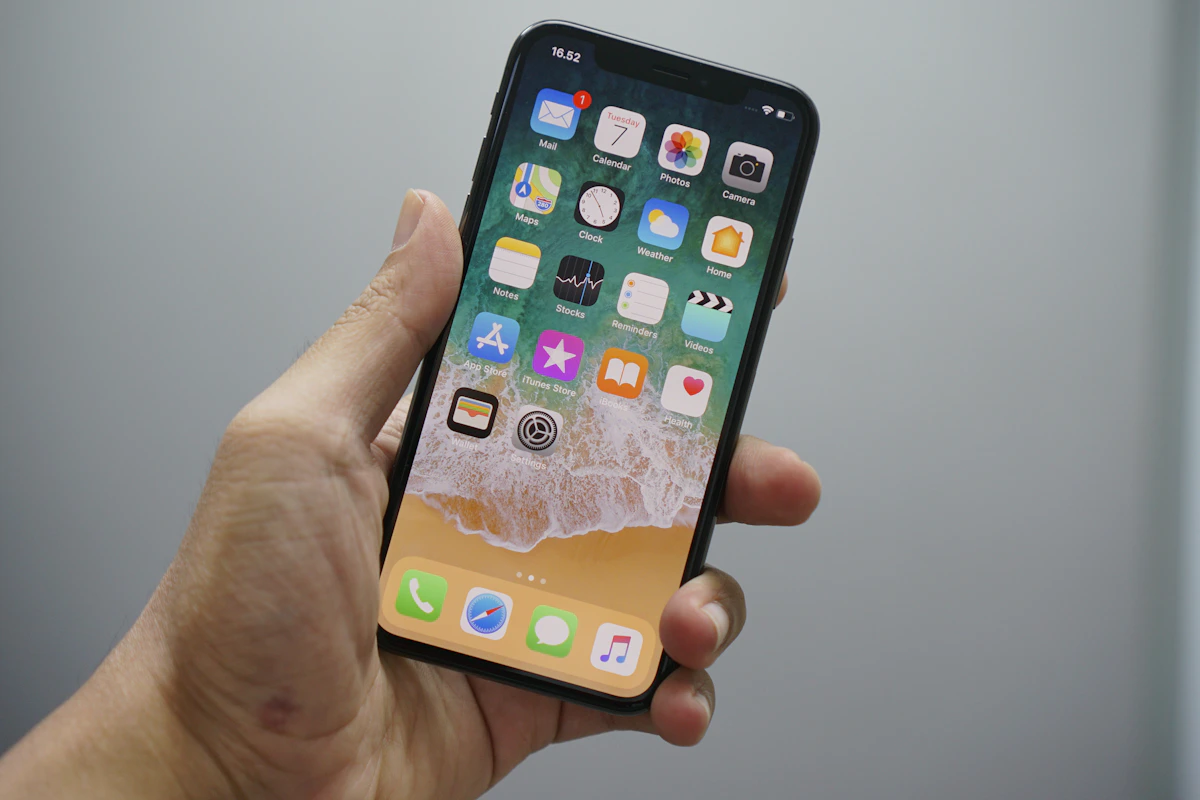
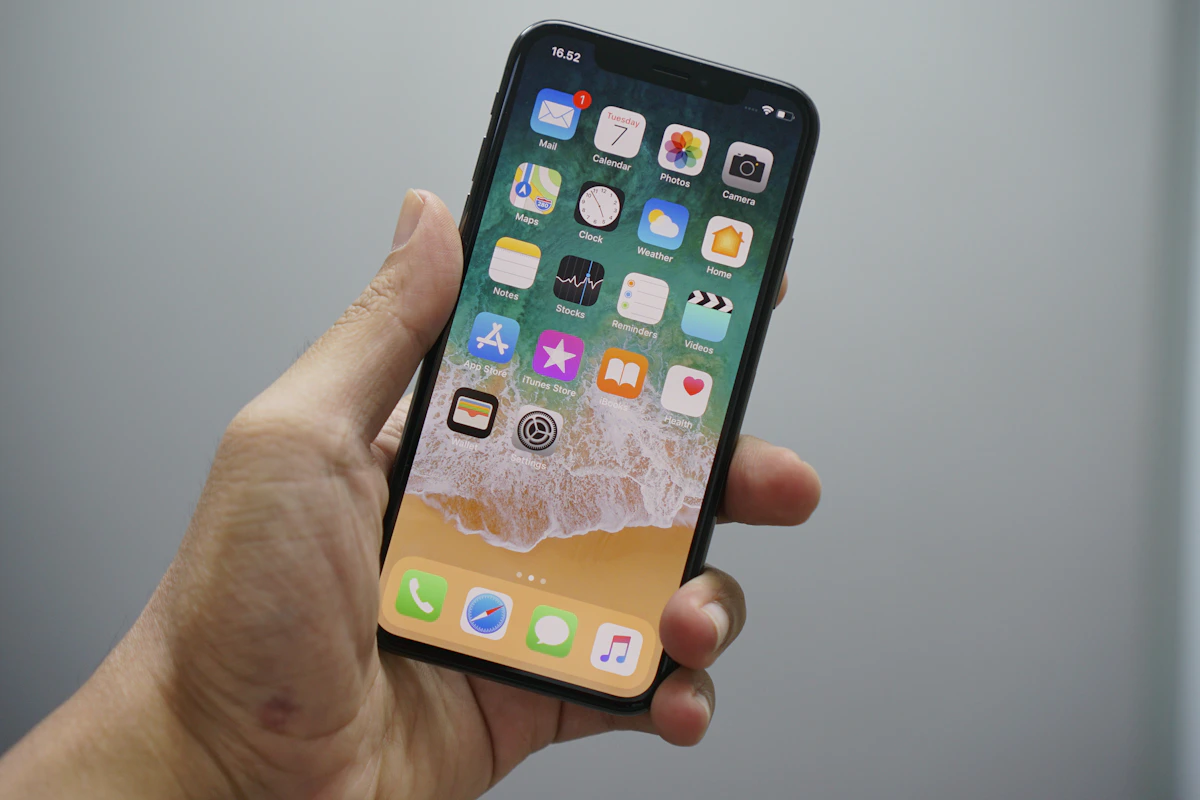
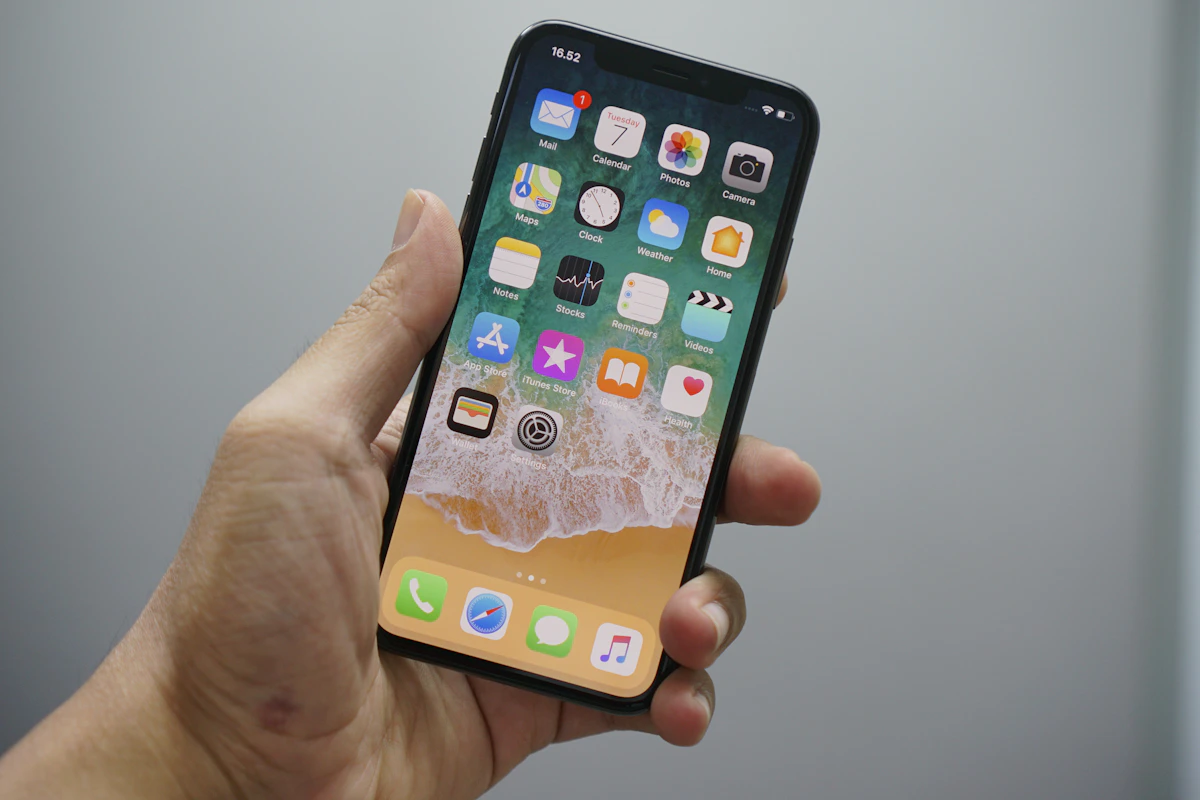
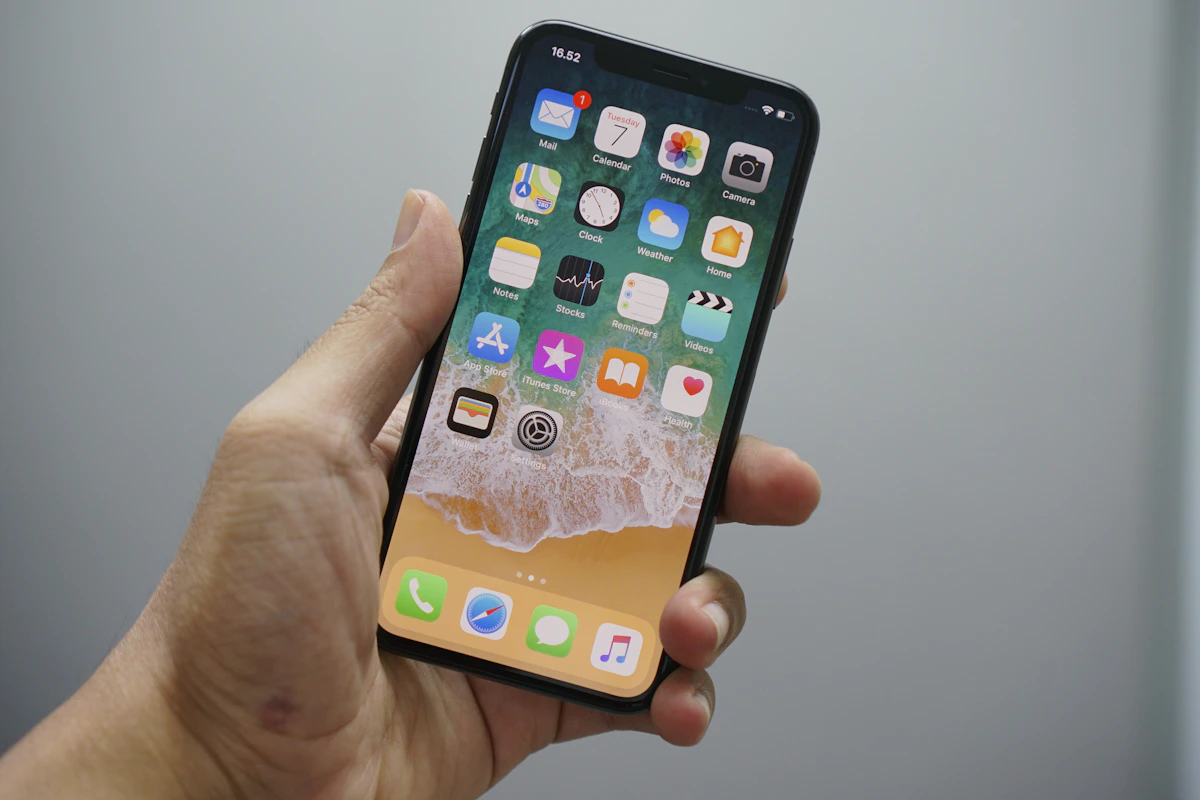
Apple iPhone 16 is Apple’s 2024 standard flagship, running iOS 18 on the A18 chip (also 3nm). It ships with 8GB RAM and a dual-camera system featuring a 48MP main sensor — but no optical telephoto. The 2x zoom is a digital crop. Apple Intelligence features are built into iOS 18, though Siri remains the primary interface. The iPhone 16 starts from ~$479 refurbished per Back Market data. Its real strength is the Apple ecosystem: iCloud, Handoff, AirDrop, and tight hardware-software co-design that helps the 8GB RAM punch above its weight in benchmarks.
Head-to-Head Matrix
| Dimension | Galaxy S25 | iPhone 16 | Winner |
|---|---|---|---|
| Refurbished entry price (128GB) | ~$375 (Back Market, Apr 2026) | ~$479 (Back Market, Apr 2026) | S25 |
| Display refresh rate | 120Hz adaptive AMOLED | 60Hz OLED | S25 |
| Peak brightness | 2,600 nits | 2,000 nits | S25 |
| RAM | 12GB | 8GB | S25 |
| Battery capacity | 4,000mAh / 7h 6min SOT | 3,561mAh / 6h 21min SOT | S25 |
| Wireless charging speed | 15W | 25W | iPhone 16 |
| Camera system | Triple (50MP + 12MP + 10MP, 3x optical) | Dual (48MP + 12MP, 2x digital crop) | S25 |
| Software update commitment | 7 major Android upgrades | Not published; ~5–6 years historically | S25 |
| Ecosystem integration | Google/Android suite | Apple suite (Mac, iPad, AirPods, iCloud) | Depends on your existing stack |
The display gap is bigger than the numbers suggest. A 60Hz panel on a $479+ phone in 2026 isn’t just a spec disadvantage — it’s physically visible during scrolling and feels dated next to the S25’s adaptive 120Hz AMOLED. For a non-tech user who’ll notice this every time they swipe through Instagram or a news feed, it matters in a way that benchmark sheets don’t capture.
The battery numbers deserve real attention. The 45-minute screen-on-time difference — 7h 6min vs. 6h 21min, per Back Market’s testing — is roughly the length of a long work commute. Over a full day of casual use, S25 users are meaningfully less likely to reach for a charger mid-afternoon.
The camera comparison is lopsided. The iPhone 16’s 2x “zoom” is a center crop of its 48MP sensor. Functional, but not optical telephoto. The S25’s 10MP telephoto lens at 3x optical zoom produces cleaner results at distance. For everyday users snapping photos at school events, concerts, or outdoor trips, this is a genuine daily-use difference — not a spec-sheet abstraction.
The one iPhone 16 win — wireless charging speed — is counterintuitive. The iPhone 16 charges wirelessly at 25W versus the S25’s 15W. Wired charging is matched at 25W for both. For a user who charges overnight on a pad, the iPhone 16 recovers battery faster. It’s a narrow win, but a real one.
Where Each One Actually Breaks
The S25 breaks down when you’re already deep in the Apple ecosystem. A user with a MacBook, AirPods Pro, and iPad loses iMessage sync, AirDrop file transfers, Handoff (continuing tasks between devices), and native iCloud Photos integration. These aren’t premium features — they’re daily-use workflows. Android’s cross-device story has improved considerably, but it doesn’t replicate Apple’s closed-loop continuity. Switching costs are real and ongoing, not just a one-time setup headache.
The iPhone 16 breaks down when the user wants optical zoom and a smooth display without paying Pro prices. Apple reserves 120Hz ProMotion and telephoto cameras for the Pro lineup — spec decisions that were defensible at the iPhone 16’s launch in late 2024 but look increasingly strained heading into 2027. Users who photograph kids at sports events or shoot video at concerts will consistently get sharper zoomed results from the S25. This isn’t a fringe use case. It’s a Saturday afternoon.
The Verdict
The Galaxy S25 is the better everyday phone for non-tech users who aren’t already committed to Apple. The advantages are consistent across display quality, battery endurance, camera hardware, and price — and the S26 launch has pushed S25 pricing into genuinely strong value territory. On the hardware side, this isn’t a close call.
The iPhone 16 earns its place for one specific user: someone already running multiple Apple devices who relies on ecosystem features every day. For that person, the switching cost outweighs the S25’s hardware wins. Full stop.
A practical next step: Check refurbished S25 pricing on Back Market — units are currently available from ~$375 with grading transparency. If you’re leaning toward iPhone, price out what replacing your Handoff and AirDrop workflows would actually cost in Android equivalents before committing.
One thing worth watching: Apple is expected to bring ProMotion 120Hz to the standard iPhone 17 lineup. If that happens, the display gap closes — and the comparison between the S25 and iPhone 17 shifts significantly. That’s worth tracking when Apple’s Q4 2026 release details firm up. Until then, the S25 holds the everyday advantage for most buyers.
References
- Samsung Galaxy S25 vs. iPhone 16 | Back Market
- Samsung Galaxy S25 vs iPhone 16: Which Flagship Wins in 2026?
- Samsung Galaxy S25 vs iPhone 16: Which Flagship Phone Deserves Your Money?
Photo by Bagus Hernawan on Unsplash