iPhone 17 vs Samsung Galaxy S26 for Non-Tech People
Battery life alone used to be a tiebreaker. Now it’s the whole argument.
PCMag’s 2026 benchmark clocked the iPhone 17 Pro Max at 32 hours and 11 minutes. Samsung’s entire S26 lineup managed roughly 15 hours. That’s not a rounding difference — that’s a different product category.
But before you close this tab with a decision made, Samsung wins on camera reach and display responsiveness. If you shoot wildlife, sports, or concerts from the back of a venue, the S26 Ultra’s dual-telephoto system and 200MP main sensor give you hardware the iPhone Pro simply can’t replicate with software tricks.
This article covers four dimensions: price, battery endurance, camera hardware, and display performance. Nothing else.
The Contenders
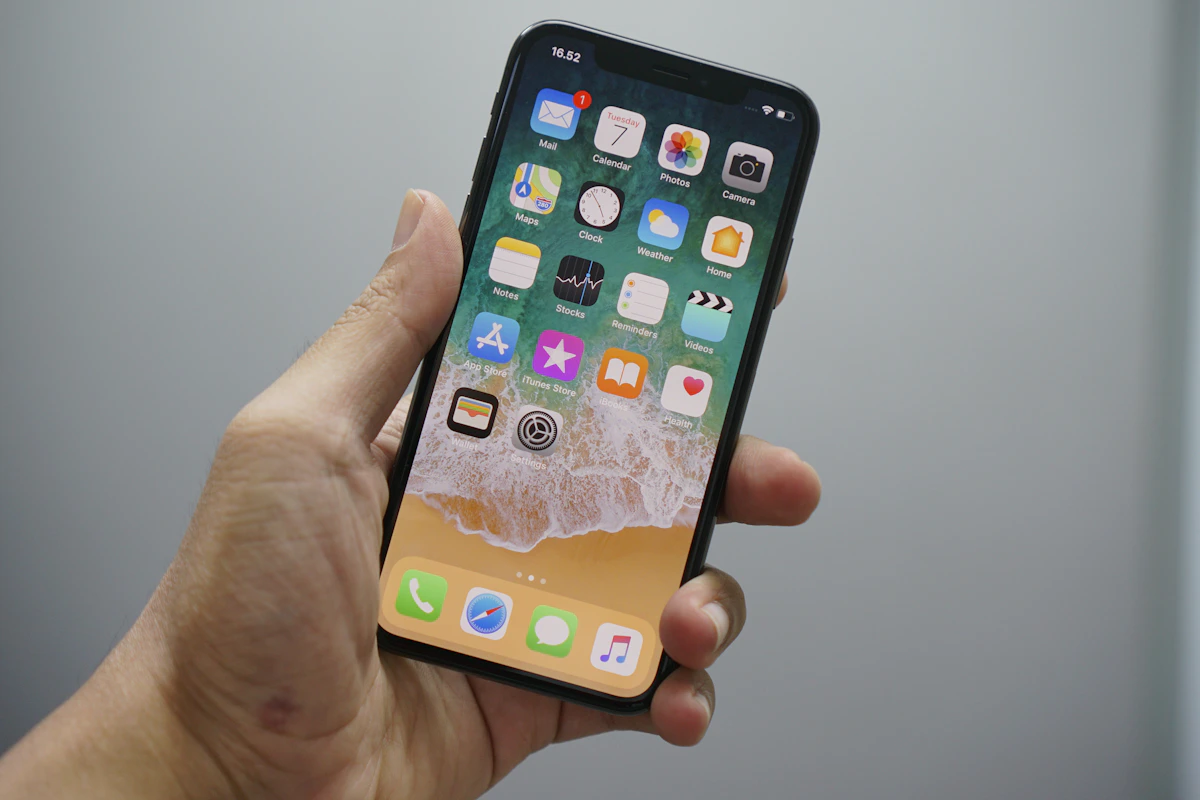
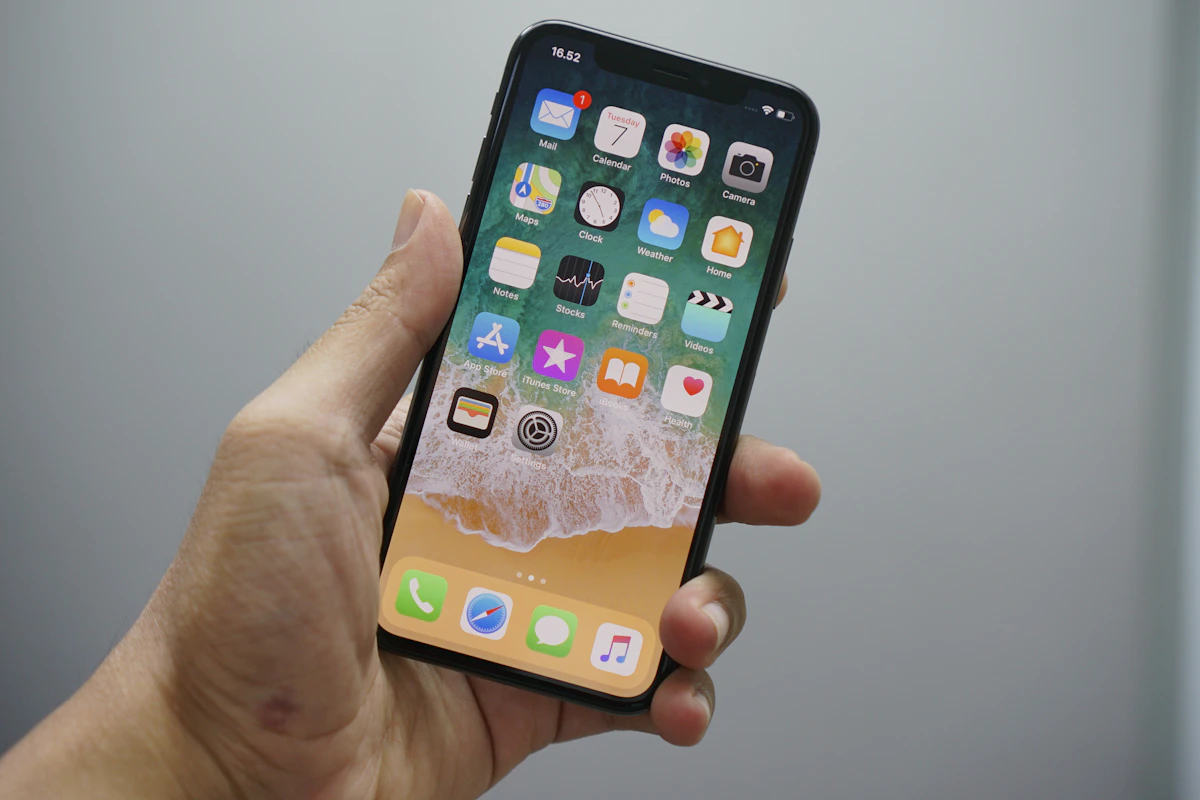
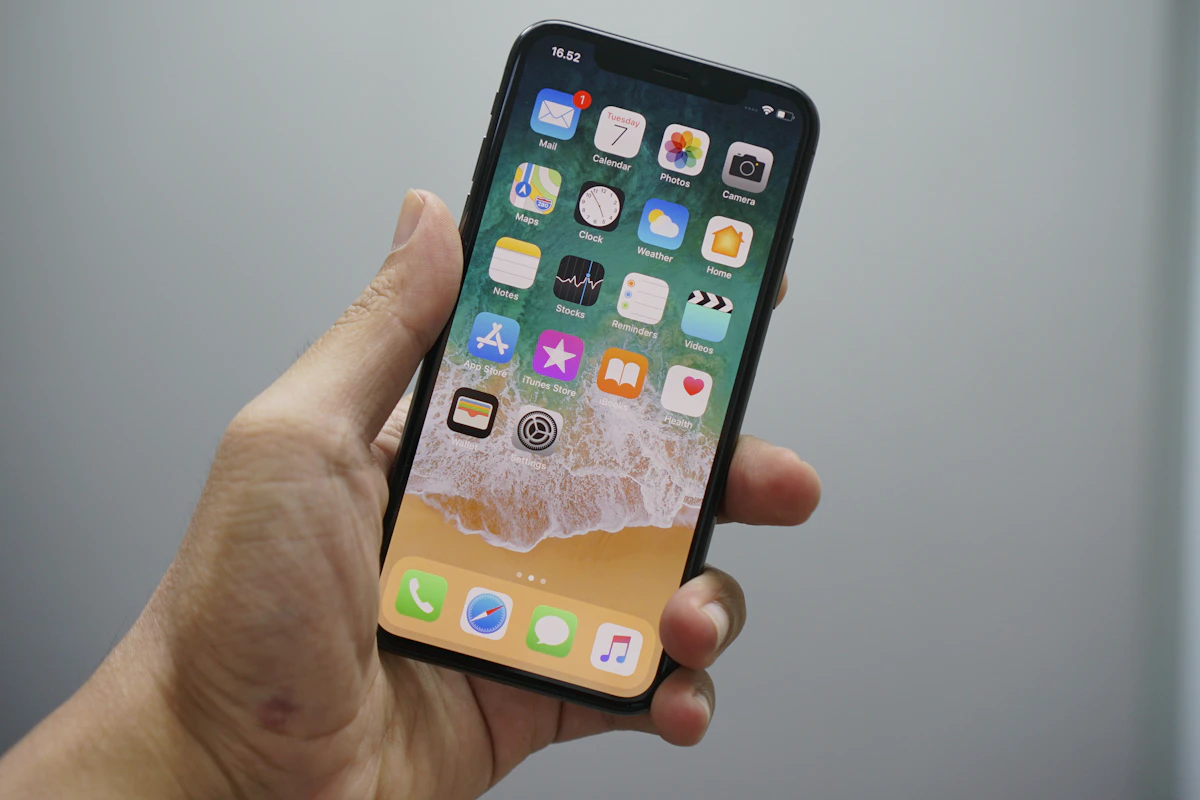
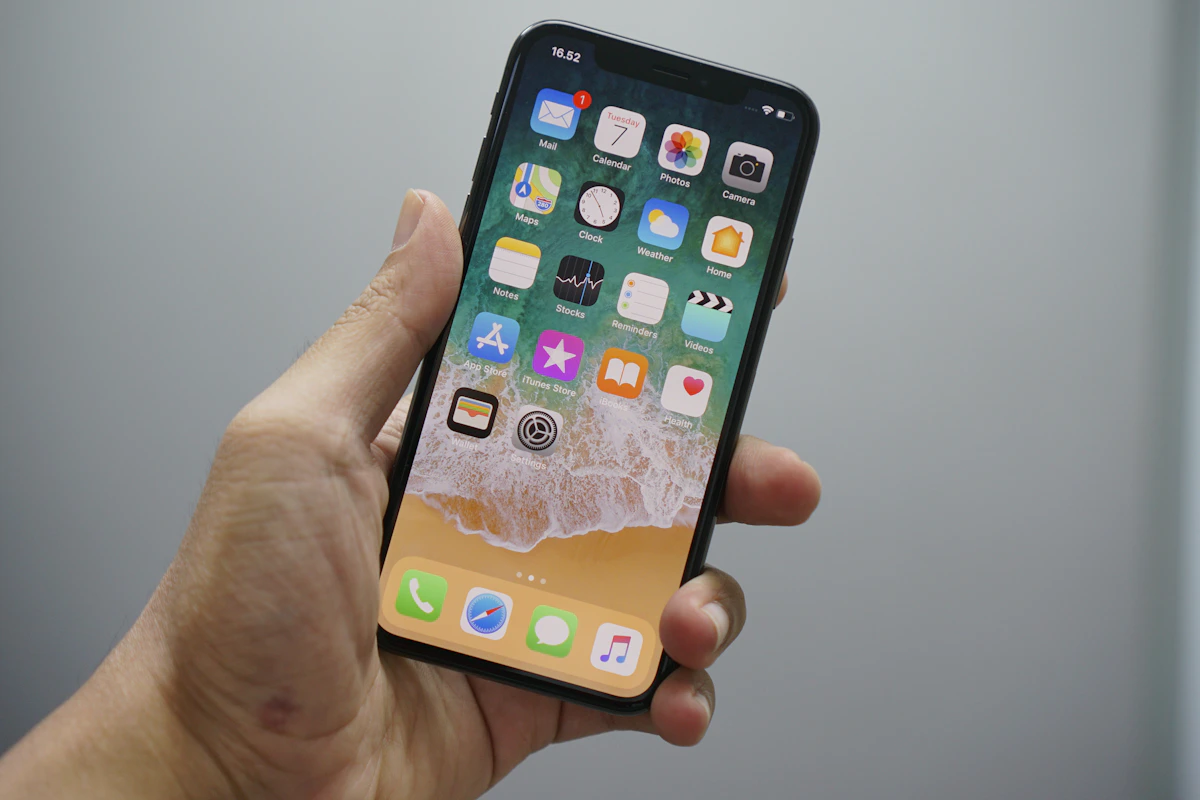
Apple iPhone 17 starts at $799, runs iOS 26 with Apple Intelligence built in, and uses the A19 chip — still the single-core performance leader over any Android alternative by a meaningful margin. Apple standardized 48MP sensors across all three rear cameras on Pro models. MagSafe charging is native. The Pro Max tops out at $1,599 for 1TB, with a 2TB option at $1,999 that Samsung doesn’t offer at any tier. According to PCMag’s flagship face-off, the display hits 3,000 nits brightness at 460ppi uniform pixel density. Those numbers show up in real outdoor readability, not just spec sheets.
Samsung Galaxy S26 starts at $899.99, runs Android 16 with One UI, and carries Qualcomm’s Snapdragon 8 Elite Gen 5. The Ultra variant packs a 200MP main camera, dual telephotos at 3x and 5x optical, a 50MP ultrawide, and 8K/30fps video. All S26 models ship with at least 12GB RAM; the Ultra’s 1TB variant bumps to 16GB. According to Bandicoot Lab’s comparative analysis, Samsung’s touch latency runs 16–22ms versus Apple’s 50ms-plus — a difference you feel immediately during fast scrolling or gaming inputs. The S26 Ultra also includes a Privacy Display that narrows viewing angles per-app or for notifications. Apple doesn’t offer anything comparable at any price.
Head-to-Head Matrix
| Dimension | iPhone 17 | Galaxy S26 | Winner |
|---|---|---|---|
| Entry price | $799 | $899.99 | iPhone 17 |
| Peak price (1TB) | $1,599 (Pro Max) | $1,299.99 (Ultra) | Galaxy S26 |
| Battery life (flagship) | 32h 11m (Pro Max) | ~15h (Ultra) | iPhone 17 |
| Touch latency | 50ms+ | 16–22ms | Galaxy S26 |
| Display brightness | 3,000 nits | 2,600 nits | iPhone 17 |
| Main camera resolution | 48MP (Pro) | 200MP (Ultra) | Galaxy S26 |
| Front camera score | 703/722 | 398–415/722 | iPhone 17 |
| Sustained gaming load | Consistent 30 min | ~50% throttle | iPhone 17 |
| Weight (base model) | 177g | 167g | Galaxy S26 |
| Max storage option | 2TB | 1TB | iPhone 17 |
Sources: PCMag, Bandicoot Lab
The battery gap deserves a second look. iPhone 17 Pro Max users are reporting second-day battery on moderate use. That matters if you travel frequently, forget to charge, or simply don’t want charging anxiety as part of your daily routine.
The touch latency row surprises most people. Samsung’s 16–22ms versus Apple’s 50ms-plus isn’t theoretical — Bandicoot Lab’s benchmarks show it playing out across fast game inputs and rapid scrolling sessions. For non-tech people who just know “Samsung feels snappier to swipe,” the latency data is exactly why.
Front camera is Apple’s cleanest win. Bandicoot Lab scored iPhone 17 Pro’s front camera at 703/722. Samsung’s S26 lineup scored 398–415/722. For video calls, selfies, and FaceTime, the gap isn’t close.
Gaming throttle is Samsung’s quiet problem. Under sustained 30-minute load, the Snapdragon 8 Elite Gen 5 drops roughly 50% in performance. iPhones hold consistent throughput across the same window. For casual gaming, this is invisible. For anything demanding — Genshin Impact, Call of Duty Mobile — you’ll feel the drop somewhere around the 15-minute mark.
Where Each One Actually Breaks
iPhone 17 breaks when you need zoom. The Pro models offer a single telephoto lens. The S26 Ultra runs dual telephotos at 3x and 5x optical, plus a 200MP main sensor. Shooting wildlife, sporting events, or concerts from any real distance, the iPhone’s camera system falls short in a way software can’t fix. This isn’t a minor gap. It’s a hardware limitation with no workaround.
Galaxy S26 breaks under sustained performance demands. The 50% throttle under load is documented across benchmark sessions at Bandicoot Lab. And One UI introduces software complexity that doesn’t exist on iOS 26 — more settings, more customization, and more things that can behave unexpectedly after a major update. Samsung’s long-term software support has genuinely improved. But the update cadence still trails Apple’s consistency. On Reddit’s r/Smartphones, users discussing long-term S26 ownership repeatedly flagged One UI inconsistencies appearing after major updates as recurring friction — something iPhone users rarely mention.
This approach can also fail for people who’ve invested heavily in the Google ecosystem. Android’s native integration with Google Workspace, Drive, and Photos is tighter than what iOS offers. Switching to iPhone means friction in workflows that currently run smoothly. That’s a real cost worth pricing in.
The Verdict
iPhone 17 wins for most non-tech people. Battery life that doubles Samsung’s output. A front camera scored 70% higher. Sustained gaming performance that doesn’t throttle. And a $100 lower entry price. If you’re upgrading from any phone without strong Android loyalty, iPhone 17 is the easier recommendation — not because Samsung is bad, but because the iPhone’s advantages show up in daily use rather than spec comparisons.
Samsung wins one specific scenario: serious zoom photography. The S26 Ultra’s dual-telephoto system and 200MP sensor operate in a different league for reach and detail. If that’s your primary use case, the price premium is justified.
One thing worth skipping entirely: If you’re still on an iPhone 16 or S25, neither phone justifies an upgrade. The generational improvements don’t cross that threshold.
Practical next step: Apple’s retail stores offer hands-on time with iPhone 17. Samsung’s Best Buy experience zones let you run both phones side by side for about 10 minutes — enough to feel the touch latency difference and judge the camera UI yourself. Do that before committing several hundred dollars.
The open question worth tracking: Samsung’s throttle problem has persisted across multiple Snapdragon generations. Whether the Snapdragon 8 Elite Gen 5 resolves it through a software update — or whether this is fundamentally a thermal design issue requiring a hardware revision — will define whether Samsung can close its biggest remaining gap against Apple’s flagship line.
Key Takeaways
- Choose iPhone 17 if you want maximum battery life, consistent gaming performance, superior front camera quality, and a lower entry price
- Choose Galaxy S26 if serious zoom photography is your priority, you prefer Android 16, or you want a lighter device across every tier
- Skip both if you’re upgrading from an iPhone 16 or S25 — the improvements don’t justify the spend
- The decisive gap is battery: 32 hours versus 15 hours isn’t incremental — it’s a fundamentally different ownership experience
- Samsung’s real weakness isn’t specs — it’s sustained performance throttling and software consistency over time
References
- iPhone 17 vs Samsung Galaxy S26: Which flagship wins? - Trusted Reviews
- Samsung Galaxy S26 vs. Apple iPhone 17: The Definitive Flagship Face-Off | PCMag
- r/Smartphones on Reddit: iPhone 17 vs Samsung Galaxy S26 – which would you choose for long-term use?
Photo by Bagus Hernawan on Unsplash