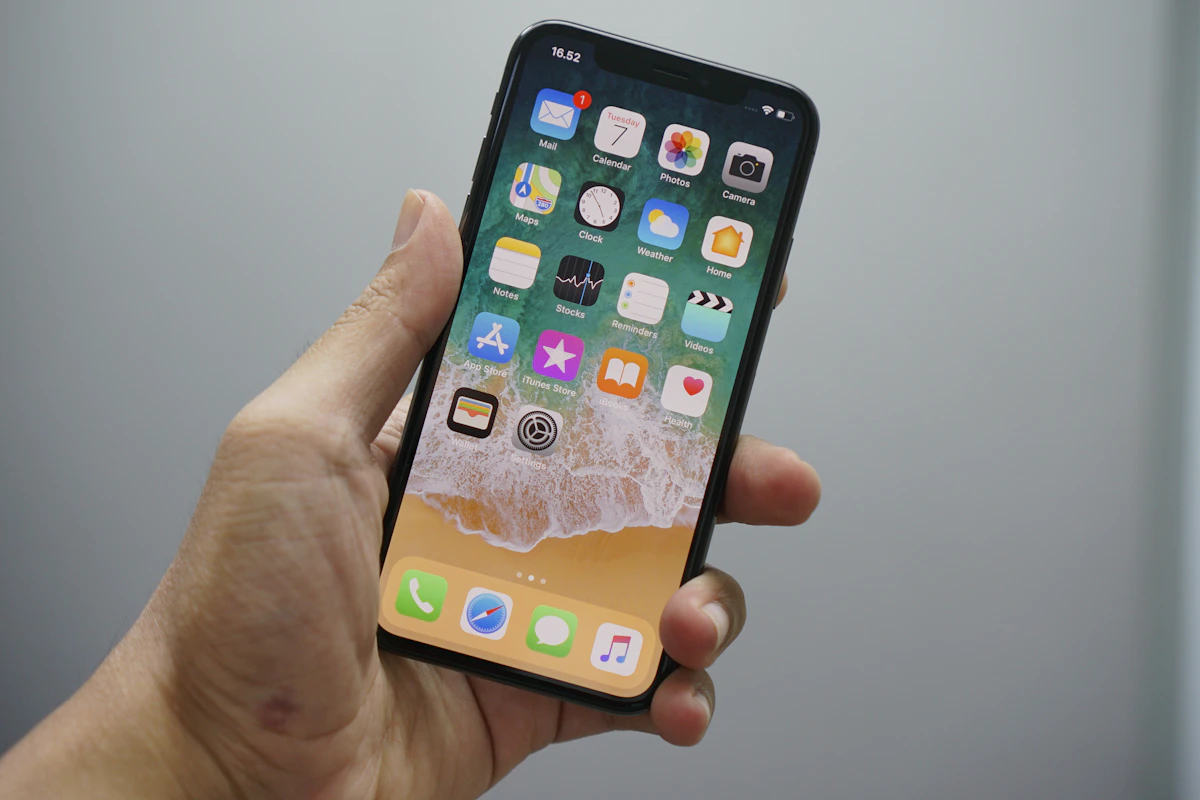
iPhone 17 vs Samsung Galaxy S26 Camera Comparison for Everyday Users
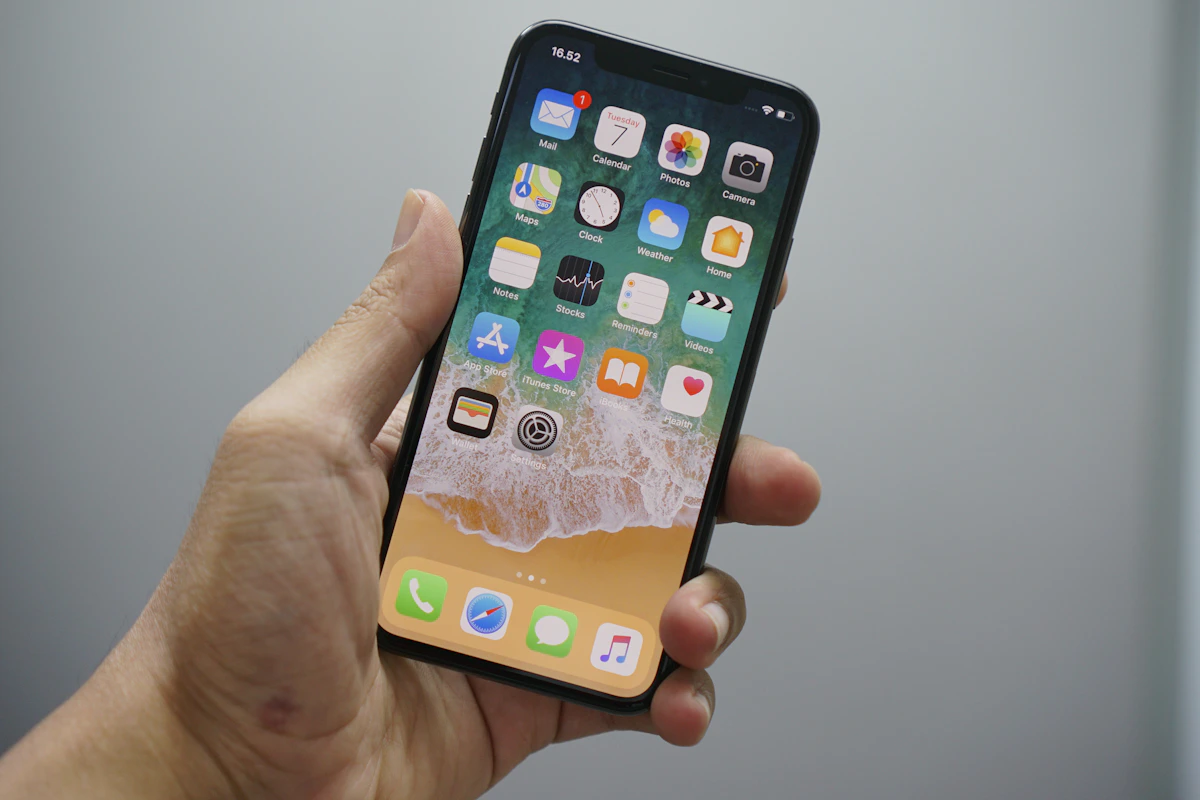
The iPhone 17 Pro wins this camera comparison for everyday users who edit photos, shoot video, or care about detail under a crop. The Galaxy S26 Ultra wins for users who want vibrant, share-ready shots with zero post-processing — and faster autofocus in bright conditions.
Don’t buy the iPhone if you never touch editing apps and primarily post to Instagram Stories within minutes of shooting. Samsung’s processing pipeline delivers punchier JPEGs straight out of the camera, and that’s a real advantage for a specific workflow. Don’t buy the S26 Ultra if you’re a video creator — focus tracking failure during moving-subject tests is a documented problem that’ll cost you shots you can’t reshoot.
This comparison covers four dimensions that actually matter for daily use: zoom reach and real-world quality, processing philosophy, battery life and total cost, and video tracking reliability.
TL;DR
- Choose iPhone 17 Pro if you crop images, edit in Lightroom, or shoot video of moving subjects
- Choose Galaxy S26 Ultra if you want the brightest, most saturated images with zero editing workflow
- Skip the S26 Ultra if video tracking consistency matters — it dropped focus in documented testing
The Contenders
Apple iPhone 17 Pro starts at $999 (base storage), with the Pro Max at $1,199 — or up to $1,999 for Apple’s exclusive 2TB configuration, according to PCMag’s definitive flagship face-off. It runs Apple’s A19 Pro chip and shoots with three 48MP cameras. The headline strength isn’t megapixel count. It’s Apple’s processing philosophy. The iPhone prioritizes tonal accuracy over visual impact, which produces neutral, editable files with deep shadow retention. It also runs iOS 26 with Apple Intelligence, including Photographic Styles that let you shift color rendering before you shoot.
Samsung Galaxy S26 Ultra starts at $1,299, topping out at $1,799.99 for 1TB storage — no 2TB option exists. It packs a 200MP main sensor, a 10MP 3x telephoto, and a fourth camera for 10x optical zoom. Samsung’s Snapdragon 8 Elite Gen 5 with 12GB RAM handles everything through One UI 7 running on Android 16. The headline strength is Samsung’s HDR processing pipeline: it lifts shadows, cranks saturation, and produces images that look finished without any intervention. Galaxy AI integrates with both Google and Perplexity for on-device assistance.
Head-to-Head Matrix
| Dimension | iPhone 17 Pro Max | Galaxy S26 Ultra | Winner |
|---|---|---|---|
| Entry price | $999 (Pro) / $1,199 (Pro Max) | $1,299 | iPhone |
| Top storage price | $1,999 (2TB) | $1,799.99 (1TB) | Tie |
| Optical zoom reach | 8x | 10x | Samsung |
| Zoom image quality | Retained detail, natural texture | Oversharpened/“crunchy” output | iPhone |
| Ultrawide color consistency | Minor shift | Noticeable teal shift in sky tones | iPhone |
| Battery life | 24–32 hrs (17 to Pro Max) | ~15 hrs across all S26 models | iPhone |
| Video focus tracking | Maintained lock on moving subjects | Dropped focus during tracking test | iPhone |
| Autofocus speed (stills) | Slower | Faster | Samsung |
| Low-light highlight retention | Sometimes clips highlights | Retains highlight detail | Samsung |
| Peak display brightness | 3,000 nits | 2,600 nits | iPhone |
| Out-of-camera social output | Neutral, needs editing | Vibrant, share-ready | Samsung |
Sources: CNET camera comparison, PCMag flagship face-off, CrackTheCable camera test
The zoom row deserves unpacking. Samsung’s 10x optical reach sounds like a decisive win. It isn’t. According to CNET’s Scotland field test, iPhone matched or exceeded Samsung’s detail quality at comparable zoom distances despite having 2x less optical reach. Samsung’s aggressive sharpening algorithm creates texture artifacts — what CNET described as “crunchy” — that become obvious the moment you view images at full resolution. On paper, Samsung has the longer lens. In practice, iPhone brings home sharper crops.
Battery life is the most lopsided row. iPhone 17 Pro Max hit 32 hours, 11 minutes in PCMag testing. The entire Galaxy S26 lineup averaged roughly 15 hours. That’s not a close race. For everyday users who don’t carry chargers, this gap matters more than any camera spec on the list.
The ultrawide color shift is a quality-control flag. CNET noted that the S26 Ultra shows a significant teal color shift between its main and ultrawide lenses — inconsistency typically associated with budget devices, not $1,299 flagships. iPhone’s ultrawide shift exists but stays within acceptable range. Switch lenses mid-scene on the Samsung, and that color inconsistency will be visible in your final edit.
Samsung’s autofocus speed is real, and it matters in the right conditions. In bright-light still photography, the S26 Ultra locks faster. For sports snapshots or street photography where you’re spraying frames, that speed advantage produces fewer missed shots. This isn’t a marketing claim — it’s a genuine edge for a specific shooting style.
Where Each One Actually Breaks
iPhone 17 Pro breaks when you’re shooting fast action in low light and need instant autofocus. Samsung locks focus measurably faster in still-photo scenarios, and in dark venues — concerts, indoor sports — that speed gap costs frames. iPhone’s shadow retention is excellent, but the slower autofocus is a documented tradeoff that photographers chasing decisive moments will feel acutely.
Galaxy S26 Ultra breaks when you’re shooting video of moving subjects. CrackTheCable’s tracking test documented the S26 Ultra losing focus lock on a moving subject while the iPhone maintained it throughout the same sequence. For video creators — YouTube, event coverage, anything with motion — this is a workflow-breaking failure mode. A lost focus lock mid-clip often means the shot is unusable. Full stop.
The S26 Ultra also breaks in scenarios requiring tight cropping. Samsung’s images turned noticeably soft under close examination at 100%, while iPhone retained usable detail at the same crop depth. This isn’t always the answer for casual shooters who never zoom into their files — but for anyone who edits seriously, the difference is visible and consequential.
The Verdict
The comparison resolves clearly along workflow lines — but iPhone wins on the dimensions that matter most broadly. Battery life alone (32 hrs vs. 15 hrs) would tilt the decision for most users before cameras even enter the conversation. Add zoom quality that beats a longer-reach lens, superior ultrawide consistency, reliable video tracking, and lower entry pricing. The data consistently favors Apple across the categories that affect daily use.
Samsung wins one real segment: users who want the brightest, most visually aggressive JPEGs with zero editing. That’s a legitimate preference. It’s just a narrower one than Samsung’s marketing implies — and it comes with documented tradeoffs in tracking, consistency, and battery endurance.
Concrete next step: Pull up Apple’s official comparison page and Samsung’s spec sheet side-by-side, then find the CNET Scotland field test images at full resolution. Zoom into the grass and sky shots at 100%. The processing philosophy difference is immediately obvious — no spec sheet required. Your gut reaction to those crops will tell you which camera actually fits your workflow.
Worth tracking: Samsung’s ultrawide color calibration. If One UI 8 closes the teal-shift gap through a software update, the camera consistency argument shifts meaningfully. Watch the S26 Ultra’s next major firmware release before making a final call if you’re not in a rush.
Key Takeaways
- iPhone 17 Pro Max battery life nearly doubles the S26 Ultra’s — 32 hrs vs. 15 hrs — making it the default choice for users who go all day without a charger
- Samsung’s 10x optical zoom reach is real, but iPhone produces sharper, less processed images at equivalent distances
- S26 Ultra’s autofocus speed wins in bright-light stills; iPhone’s focus tracking wins in video — pick based on what you actually shoot
- The S26 Ultra’s teal ultrawide color shift is a genuine quality-control concern at a $1,299 price point
- Samsung delivers the best out-of-camera social output; iPhone delivers the best editing flexibility — know your workflow before you buy
References
- iPhone 17 Pro Camera vs. Galaxy S26 Ultra: Photo Champs Compared - CNET
- Samsung Galaxy S26 vs. Apple iPhone 17: The Definitive Flagship Face-Off | PCMag
- r/Smartphones on Reddit: S26 vs iPhone 17, better camera?
Photo by Bagus Hernawan on Unsplash