ChatGPT Health Features Worth It for Non-Doctors
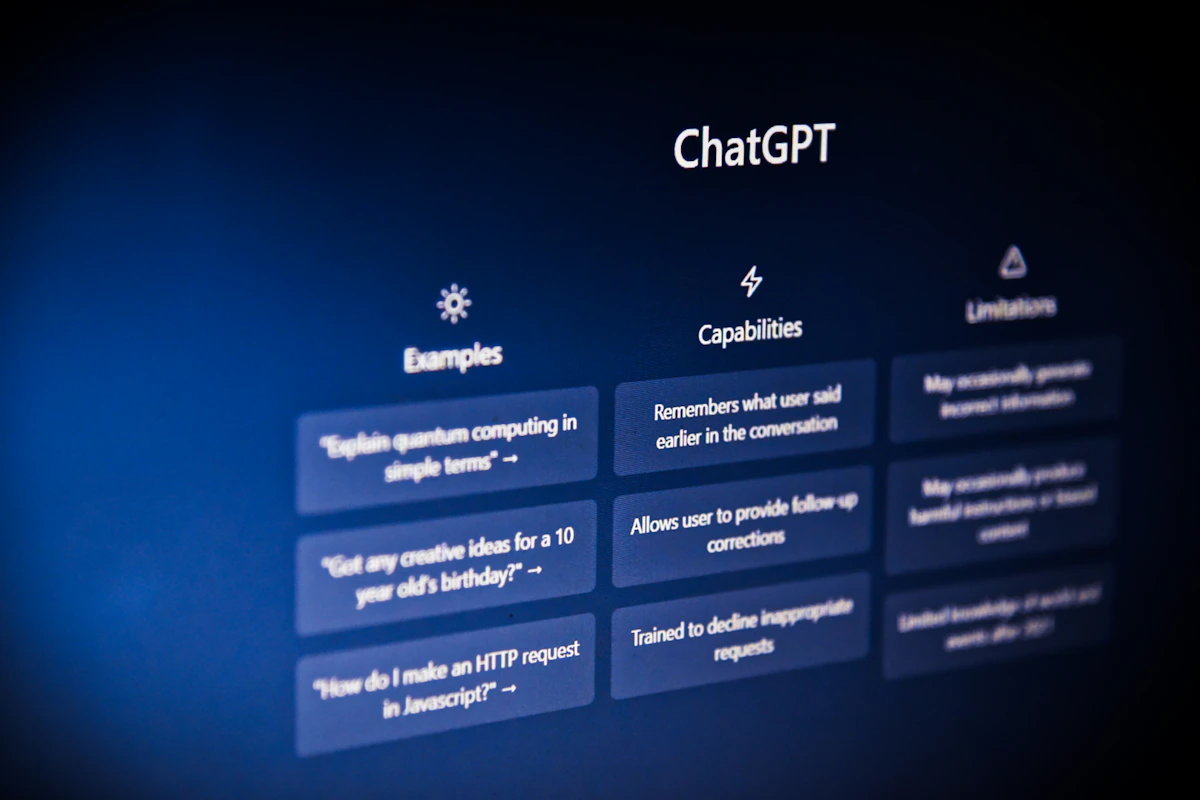
ChatGPT Health launched on July 24, 2026 — the same day a Florida man filed suit in San Francisco Superior Court, alleging the chatbot dismissed his pulmonary embolism symptoms and nearly killed him. That timing isn’t ironic coincidence. It captures everything complicated about whether these health features are actually worth it for people outside clinical settings.
The feature connects ChatGPT to Apple Health data, medical records, lab results, medications, and sleep metrics. It rolled out to all U.S. users 18 and older across every plan tier, including free accounts. Effectively, anyone can now hand an AI chatbot their full health history and start asking questions.
The question isn’t whether this is technically impressive. It is. The question is whether it genuinely helps non-doctors — and whether the privacy trade-offs are ones most users would accept if they read the fine print carefully.
In brief: ChatGPT Health is a genuinely useful tool for health literacy — explaining terminology, summarizing trends, contextualizing test results — but independent research shows LLMs fail early differential diagnosis in over 80% of cases, and OpenAI’s own privacy protections contain significant gaps most users won’t notice.
Three things worth knowing upfront:
- OpenAI’s HealthBench benchmark has documented methodological flaws, including scripted test exchanges that exclude real-world idiomatic language and topic shifts.
- The privacy protection only covers conversations that directly reference connected health records — not conversations where users describe symptoms in their own words.
- ECRI named AI chatbot misuse the number-one health technology hazard for 2026, making user awareness about the tool’s limits a genuine safety issue.
How This Feature Came to Exist
OpenAI didn’t build Health in ChatGPT on a hunch. Internal data showed users were already conducting over 70% of health-related conversations outside any dedicated health space, according to The Register. People weren’t waiting for an official feature. They were asking ChatGPT about symptoms, medications, and lab results in general chat anyway.
So OpenAI formalized it. The company worked with hundreds of physicians during development, added recognition for urgent care situations, and built in granular data permissions. Users can share step counts while blocking heart rate variability. Access duration runs from one day to one year. Connections can be severed, with data deletion promised within 30 days.
The backdrop matters, though. ECRI — the nonprofit patient safety organization — flagged AI chatbot misuse as the top health technology hazard for 2026. Three separate studies published between February and May 2026 raised significant reliability flags. Ontario’s Auditor General found AI note-taking tools used by actual physicians routinely introduced medication errors, hallucinations, and omissions into patient records — and those are systems built specifically for clinical use.
Non-doctors interacting with a general-purpose chatbot loaded with personal health data is a newer and less-studied scenario than clinical AI deployments. Whether ChatGPT health features are worth it depends heavily on which use case you’re considering.
What the Feature Actually Does Well
PCWorld’s hands-on testing with 12 months of Apple Health data and recent MyChart physical results showed something genuinely useful: ChatGPT identified trends — improved heart rate variability, increased exercise frequency — and flagged concerns like insufficient sleep and slightly elevated LDL cholesterol. Every observation matched the physician’s written assessment plan.
That’s the sweet spot. Not diagnosis. Translation. The tool explained what terms meant, provided context for what “slightly elevated LDL” implies over time, and surfaced patterns a non-clinician might miss scrolling through raw data exports. For health literacy — understanding what’s already been documented — it performed well.
The “Allow Once / Always Allow / Deny” permissions pop-up appearing when health questions are detected is a thoughtful design choice. It keeps users aware that health data access is conditional, not constant.
Where Reliability Breaks Down
The research picture gets uncomfortable fast once you move beyond explanation into anything resembling diagnosis or triage.
A February 2026 study found AI chatbots performed no better than search engines in helping users make health decisions. An April 2026 study found LLMs failed early differential diagnosis in more than 80% of cases. OpenAI’s own HealthBench benchmark — which claimed paid ChatGPT models outperform real physicians — has documented flaws: scripted exchanges only, short conversations only, rare diseases underrepresented, and duplicate scoring criteria in rubric examples.
The pulmonary embolism lawsuit is the sharpest data point. The plaintiff alleges ChatGPT repeatedly dismissed serious symptoms and discouraged seeking care. That’s not an edge case. It’s the exact failure mode that makes this a consequential question, not just a product review.
This approach can fail catastrophically when users are experiencing urgent symptoms and treat the chatbot’s reassurance as medical clearance. That gap — between what the tool can do and what users believe it can do — is where the real risk lives.
The Privacy Gap Non-Doctors Won’t Notice
The original ChatGPT Health launch promised all Health conversations would be excluded from AI training. Lifehacker’s analysis identified a significant narrowing of that protection in the updated terms: only conversations that directly reference connected health data qualify as protected Health conversations.
Describe your symptoms in your own words without triggering connected record access? That conversation gets no special privacy protection and can be used for AI training. Most users won’t read that distinction. Most users will assume the health protection applies broadly because they set up health data integration.
That’s not a minor footnote. It’s a gap that matters.
ChatGPT Health vs. Your Other Options
| Criteria | ChatGPT Health | Search Engine | Telehealth |
|---|---|---|---|
| Personalization | High — uses your actual records | None | High — live clinician |
| Diagnostic reliability | Poor (>80% failure rate) | Poor | High |
| Privacy protection | Partial (gaps in typed conversations) | Minimal | HIPAA-regulated |
| Cost | Free–$20/mo | Free | $50–$100/visit |
| Best for | Explaining existing records | Quick symptom research | Actual medical decisions |
| Worst for | Triage, urgent symptoms | Complex conditions | Non-urgent health literacy |
| Regulatory oversight | None | None | Licensed clinicians |
ChatGPT Health competes most directly with search engines, not telehealth. It beats Google on personalization and contextual explanation. It loses to Google on privacy regulation and loses badly to telehealth on anything requiring clinical judgment.
Non-doctors who use it as a smarter health search — feeding in actual data to get better-contextualized explanations — are in the tool’s genuine competency zone. Non-doctors who use it when they feel ill and need to decide whether to seek care are in the danger zone.
Three Scenarios That Define the Difference
Scenario 1: Understanding a routine physical. You get annual bloodwork back, see flagged values, and can’t get a callback from your doctor’s office for three days. ChatGPT Health, with MyChart records connected, can explain what slightly elevated triglycerides mean in the context of your six-month trend data. That’s a real, low-risk use case. Connect your records, use it for explanation, keep screenshots for your actual appointment.
Scenario 2: Evaluating an ongoing symptom. You have recurring headaches and want to check your Apple Health sleep data for patterns. ChatGPT surfaces a consistent correlation with nights below six hours. Useful — but correlational, not diagnostic. Use those findings as a structured talking point for your doctor. Write it down. Bring it in.
Scenario 3: Acute symptoms or urgent decisions. This is where the tool becomes actively risky. The pulmonary embolism case is the documented example. Chatbots dismissing serious symptoms in urgent scenarios aren’t a calibration problem — they’re a safety problem. If you’re asking “should I go to the ER,” the answer is probably yes, and no chatbot should be in that decision loop.
What Comes Next
The lawsuit filed July 24, 2026 will likely define legal precedent for AI health liability in the U.S. If courts rule against OpenAI, expect mandatory disclaimer expansions and possible feature restrictions. If dismissed, expect aggressive expansion to international markets and deeper EHR integrations with hospital systems.
OpenAI will likely face pressure to extend full training exclusions to all health-adjacent conversations — not just those that directly reference connected data.
Key Takeaways
- ChatGPT Health works as a health literacy tool — explaining records, surfacing trends, providing terminology context — and PCWorld’s hands-on testing confirms it delivers in practice
- Independent research shows LLMs fail early differential diagnosis in more than 80% of cases, making the tool unreliable for triage or urgent decisions
- The privacy protection has a documented gap: typed symptom descriptions without connected record references receive no special training exclusion
- ECRI’s classification of AI chatbot misuse as the top 2026 health hazard reflects a real risk when users overestimate the tool’s diagnostic capabilities
The clearest frame for non-doctors: treat ChatGPT Health like a well-read friend who has seen your charts but never went to medical school. Genuinely useful for questions. Not built for decisions.
References
- ChatGPT Health Is Rolling Out to Everyone, but I Don’t Trust It | Lifehacker
- ChatGPT wants access to your health records so it can be a better not-doctor
- I gave ChatGPT my medical records. It was less scary—and more useful—than expected | PCWorld
Photo by Levart_Photographer on Unsplash