iPhone 17 vs Samsung Galaxy S26 Camera Comparison for Non-Tech Users
1. Bottom Line Up Front
The iPhone 17 Pro wins the camera comparison against Samsung’s Galaxy S26 — but with a catch. It only beats Samsung if you care about accuracy over impact. Across multiple real-world tests, the iPhone consistently delivered better color consistency, more natural tonal rendering, and significantly longer battery life.
Samsung’s Galaxy S26 Ultra is the right call if you want photos that look great immediately — no editing, no fuss. The S26 Ultra’s aggressive processing punches saturation and contrast to make every shot feel finished. Non-tech users who just want to post and move on will prefer Samsung’s output by a wide margin.
Dimensions this article covers:
- Color accuracy and processing philosophy
- Zoom and low-light performance
- Video and manual controls
- Battery life and practical daily use
TL;DR
- Choose iPhone 17 Pro if: you want accurate colors, consistent cross-lens rendering, and all-day battery with minimal thought
- Choose Galaxy S26 Ultra if: you want vivid, ready-to-post photos with more manual control and better on-device editing
- Skip both if: extreme night photography is your primary use case — Freewell Gear’s testing found neither matches the Xiaomi 17 Ultra there
2. The Contenders
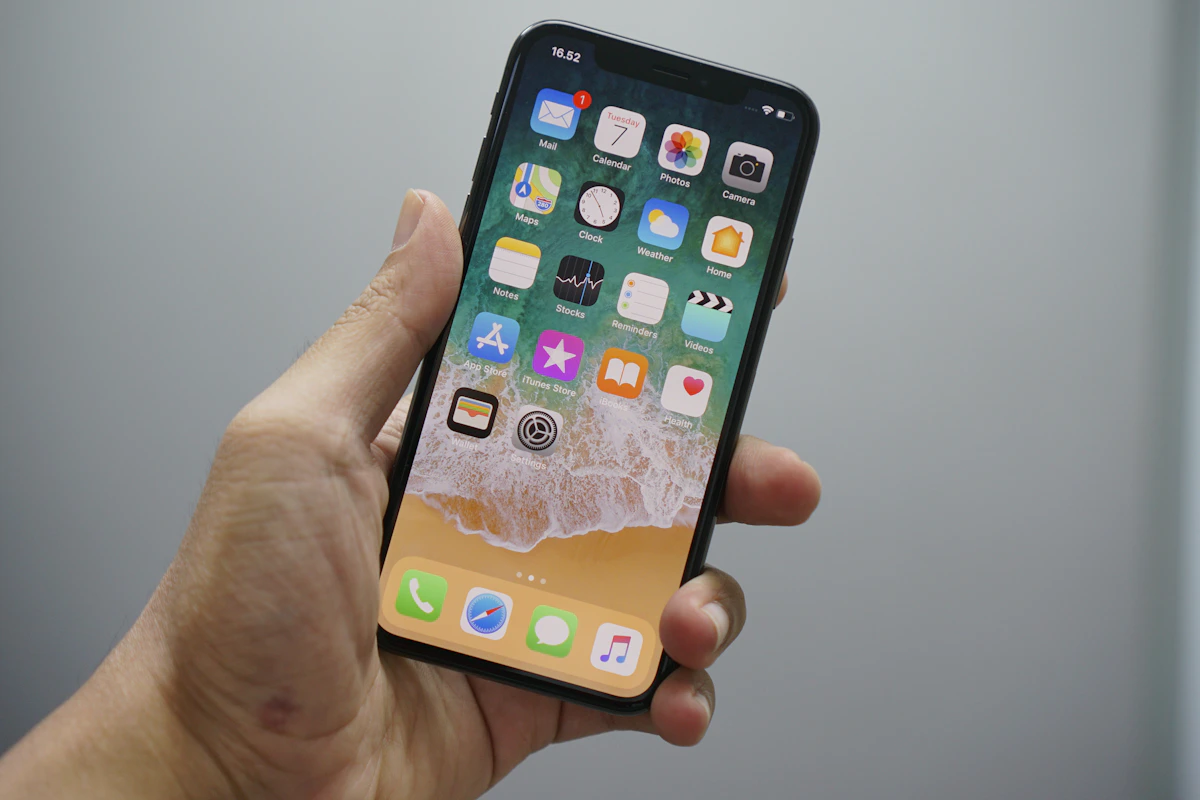
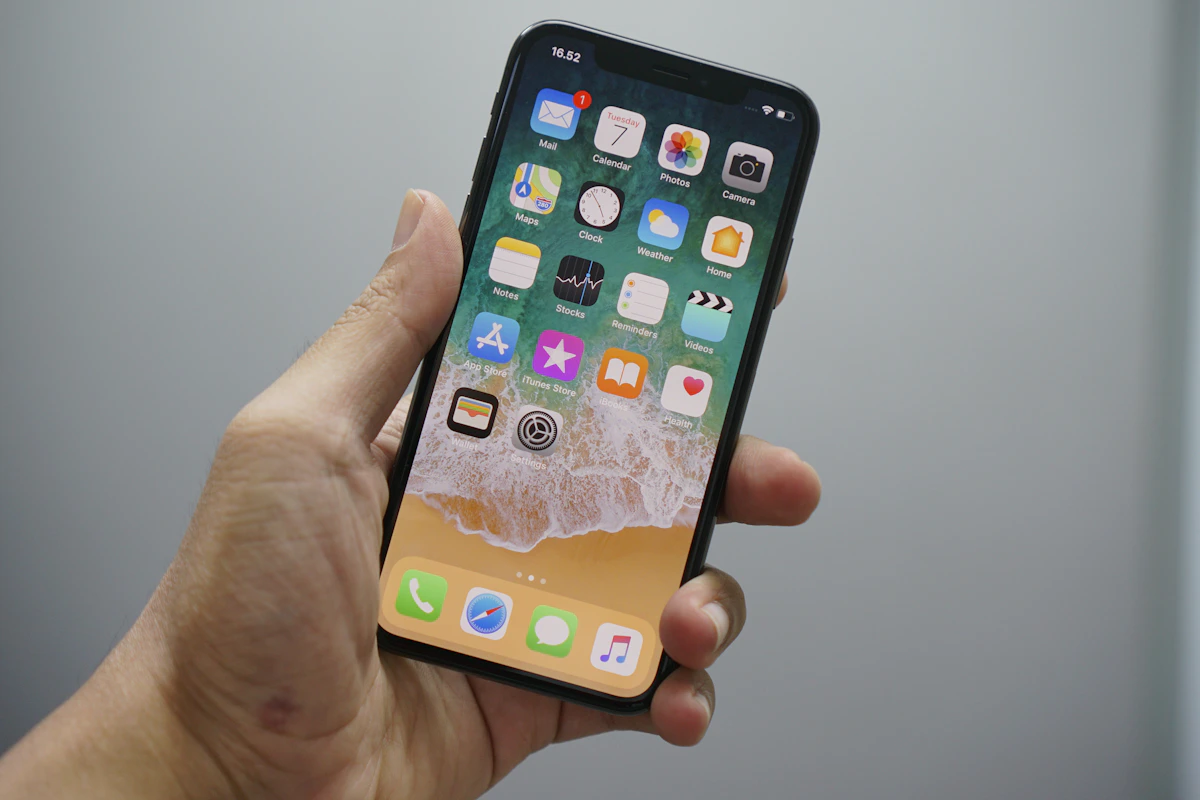
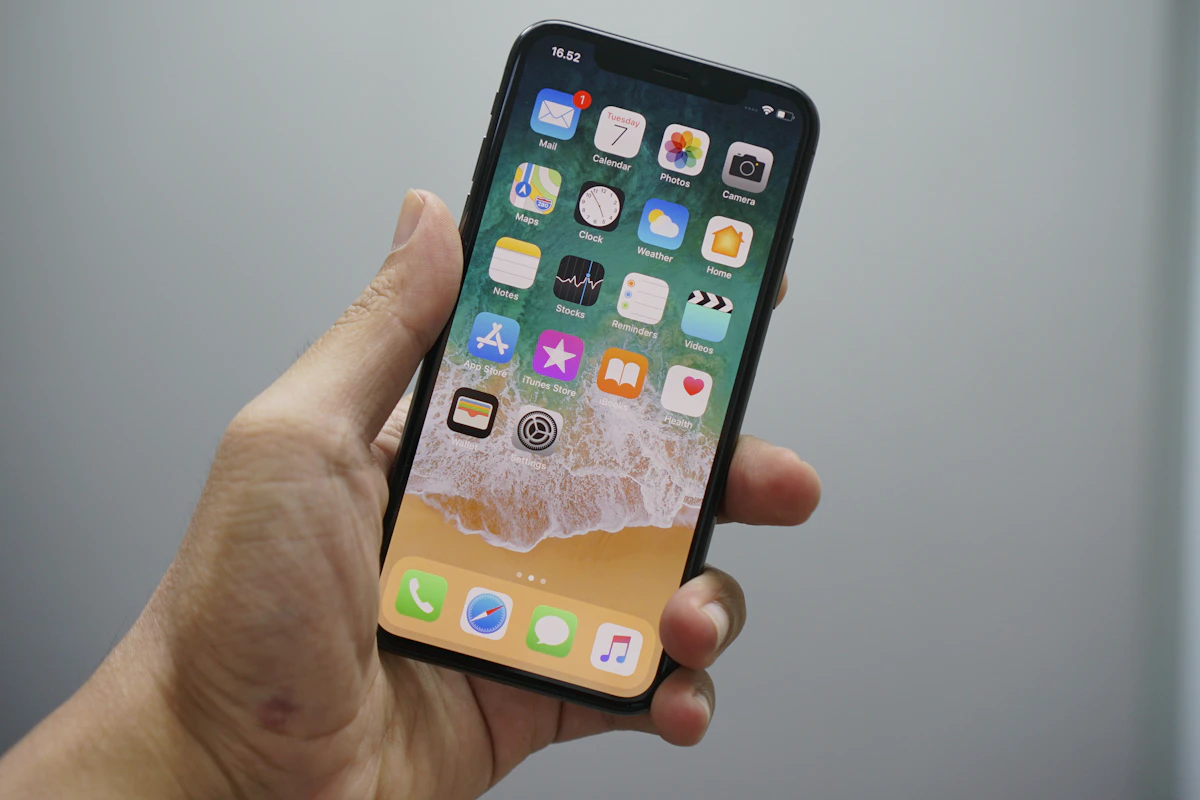
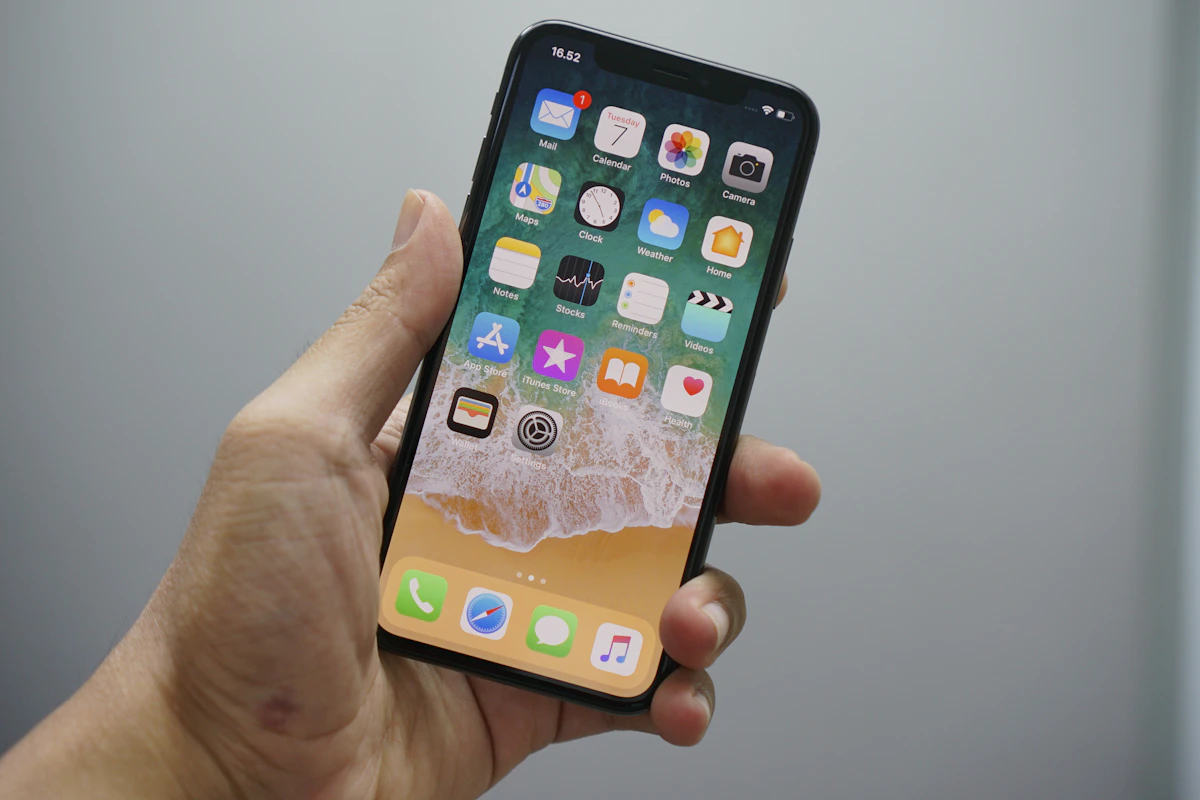
Apple iPhone 17 Pro starts at $999 and runs Apple’s A19 Pro chip. The camera system includes a 48MP main, 12MP ultrawide, and a 12x optical zoom telephoto. What it actually delivers: consistent, neutral images that hold up well in editing. The 18MP front camera shoots horizontal selfies regardless of phone orientation — a legitimately useful detail most competitors still miss. MagSafe is built in. Battery life on the Pro Max variant hits 32 hours in PCMag’s testing — more than double Samsung’s best.
Samsung Galaxy S26 Ultra starts at $1,299.99 and runs a Qualcomm Snapdragon 8 Elite Gen 5 with 12–16GB RAM. The camera array is genuinely impressive on paper: 200MP main sensor, 50MP ultrawide, dual telephoto at 3x and 5x optical zoom, and 8K/30fps video recording. In practice, Samsung applies heavy processing to every shot — shadows lift, colors saturate, sharpening kicks in hard on zoomed images. The result is punchy and immediate. The S Pen stylus remains a unique differentiator, and the Privacy Display (which narrows viewing angles on demand) has no equivalent in Apple’s lineup.
3. Head-to-Head Matrix
| Dimension | iPhone 17 Pro | Galaxy S26 Ultra | Winner |
|---|---|---|---|
| Entry price (Pro/Ultra tier) | $999 | $1,299.99 | iPhone |
| Battery life | 32 hrs (Pro Max) | ~15 hrs | iPhone |
| Main sensor resolution | 48MP | 200MP | Galaxy S26 |
| Optical zoom (max) | 8x | 10x | Galaxy S26 |
| Cross-lens color consistency | Accurate, consistent | Noticeable teal shift on ultrawide | iPhone |
| Video: log recording | ProRes Log (3rd-party apps, large files) | Native in-app log, smaller files | Galaxy S26 |
| Manual camera controls | Limited in native app | White balance, ISO, shutter speed | Galaxy S26 |
| Display brightness | 3,000 nits peak | 2,600 nits peak | iPhone |
| Privacy Display feature | Not available | Per-app or notification-only | Galaxy S26 |
The battery gap is brutal. The S26 series clusters around 15 hours across all three models, according to PCMag’s flagship face-off. The iPhone 17 Pro Max at 32 hours isn’t a minor improvement — it’s a different category of all-day reliability. For non-tech users shooting at events, on trips, or during long days out, this matters more than megapixel counts.
The color consistency gap is the biggest surprise in the camera category. CNET’s Scotland field test captured a consistent teal shift between the S26 Ultra’s main and ultrawide lenses — blue skies shifted noticeably when switching focal lengths. The iPhone 17 Pro showed no such shift. For non-tech users switching lenses mid-scene, Samsung’s inconsistency creates extra work they weren’t expecting.
Samsung wins on raw zoom hardware — 10x optical versus iPhone’s 8x. But CNET noted that Samsung’s digital sharpening at extended zoom ranges produces a “crunchy,” unnatural appearance. More zoom capability, yes. More usable zoom output, not always.
The video controls gap matters for a specific non-tech user: anyone who records to share on social without editing. Samsung’s Horizon Lock, native anamorphic lens support, and in-app log recording with compact file sizes make it the cleaner workflow. iPhone’s ProRes Log requires third-party apps and produces significantly larger files, per Freewell Gear’s Manhattan testing.
4. Where Each One Actually Breaks
iPhone 17 Pro breaks when you want photos that look good straight out of camera for social sharing without any editing. iPhone’s natural, neutral processing is its strength for photographers — and its weakness for everyone else. CNET’s testing found the iPhone occasionally overcorrects white balance toward cooler tones in warm-lit scenes, meaning indoor golden-hour shots can look slightly off. Non-tech users who don’t know how to fix white balance in post will notice this. They’ll also notice their Samsung-using friends’ photos look more vibrant on Instagram.
Galaxy S26 Ultra breaks when you’re switching between lenses in a single scene. The color shift between the main and ultrawide sensors — documented in CNET’s side-by-side Scotland shots — isn’t subtle. Teal skies versus blue skies between two frames is visually jarring in any photo story or album. And at high zoom, Samsung’s aggressive sharpening algorithm produces texture artifacts that look unnatural at 100% crop. Any non-tech user who zooms into their own photos will see it immediately.
This isn’t a case where one phone is objectively better. It’s a case where each phone fails in opposite directions — and your tolerance for those failures determines which one you should buy.
5. The Verdict & Next Step
The iPhone 17 Pro is the better camera for most non-tech users — if they’re willing to accept images that don’t pop straight from the camera. Color accuracy holds across lenses. Battery life means they’ll never miss a shot because the phone died at hour 14. And at $999 vs. $1,299.99 for Samsung’s Ultra tier, the price gap alone justifies a hard look.
But if the person in question never edits photos — just shoots and posts — Samsung’s processing philosophy wins on the metric that actually matters to them: does it look good right now? The S26 Ultra’s punchy output answers that question every time.
The spec sheet won’t settle this. Two numbers that matter: $300 price difference, and 17 hours of extra battery life. Everything else is noise until you test it yourself.
Next step: Open both phones side by side and shoot the same outdoor scene using the main lens, then the ultrawide. Don’t edit anything. Look at whether the sky matches between shots. That single test reveals more about each phone’s camera philosophy than any spec sheet ever will.
Worth watching: Samsung has committed to 7 years of OS updates for the S26 line. Apple typically matches or exceeds that. The real open question is whether either company’s computational photography pipeline will close the consistency gap between lenses — or whether hardware-level sensor matching is the only real fix.
Key Takeaways
- iPhone 17 Pro delivers better color accuracy and cross-lens consistency — Samsung’s ultrawide shows a documented teal shift that iPhone avoids entirely
- Galaxy S26 Ultra produces more visually striking photos straight out of camera — better default output for users who shoot and post without editing
- The battery gap is decisive for full-day shooters: 32 hours (iPhone Pro Max) vs. ~15 hours (S26 series) is not a marginal difference
- Samsung leads on manual video controls, native log recording, and zoom hardware — iPhone leads on file management simplicity and display brightness
- Neither phone is the best option for extreme low-light or night photography — third-party testing places the Xiaomi 17 Ultra ahead of both in that specific use case
- Price difference of $300 between Pro and Ultra tiers should factor into any final decision
Sources: CNET iPhone 17 Pro vs. Galaxy S26 Ultra Camera Comparison | Freewell Gear Manhattan Field Test | PCMag Flagship Face-Off
References
- iPhone 17 Pro Camera Battles the Galaxy S26 Ultra: Let the Fun Begin - CNET
- iPhone 17 Pro vs Galaxy S26 Ultra Camera Test – Freewell Gear
- Samsung Galaxy S26 vs. Apple iPhone 17: The Definitive Flagship Face-Off | PCMag
Photo by Bagus Hernawan on Unsplash