iPhone 17 vs Samsung Galaxy S25 Camera Compared for Non-Photographers
The Camera You Don’t Have to Think About
Most smartphone camera comparisons are written for people who know what “exposure compensation” means. This one isn’t.
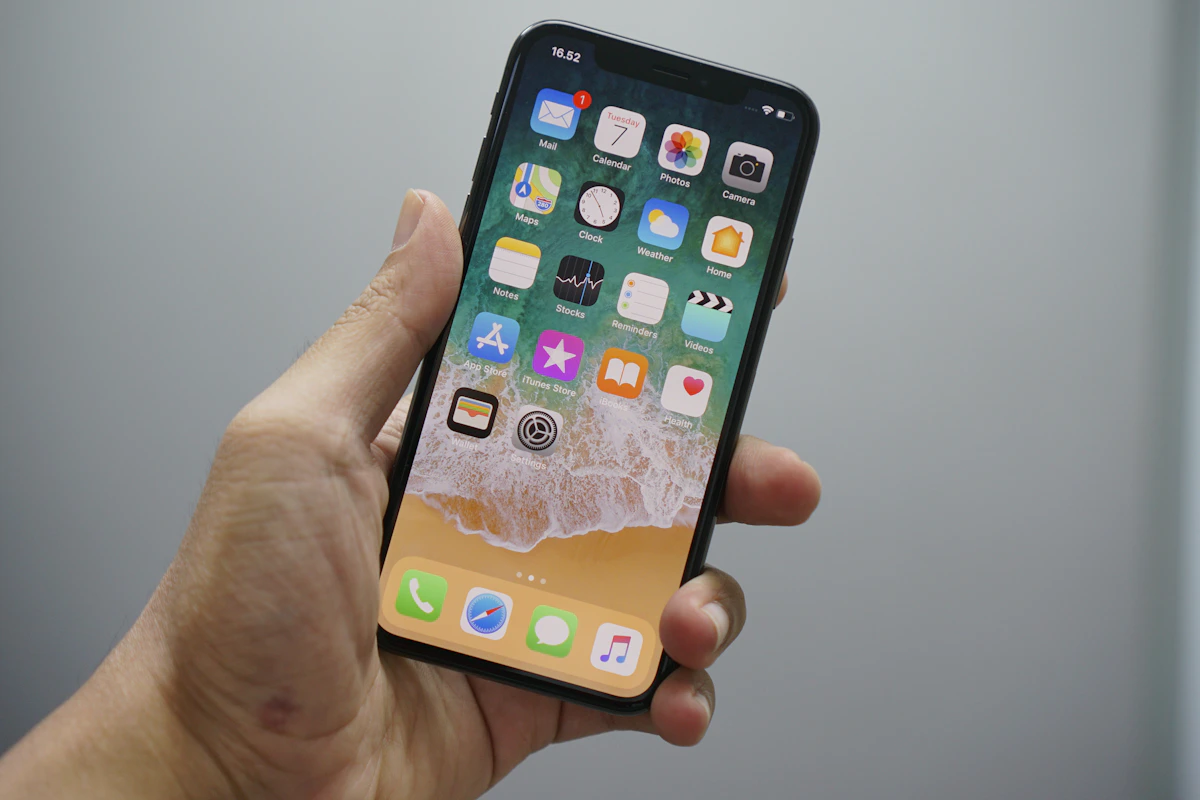
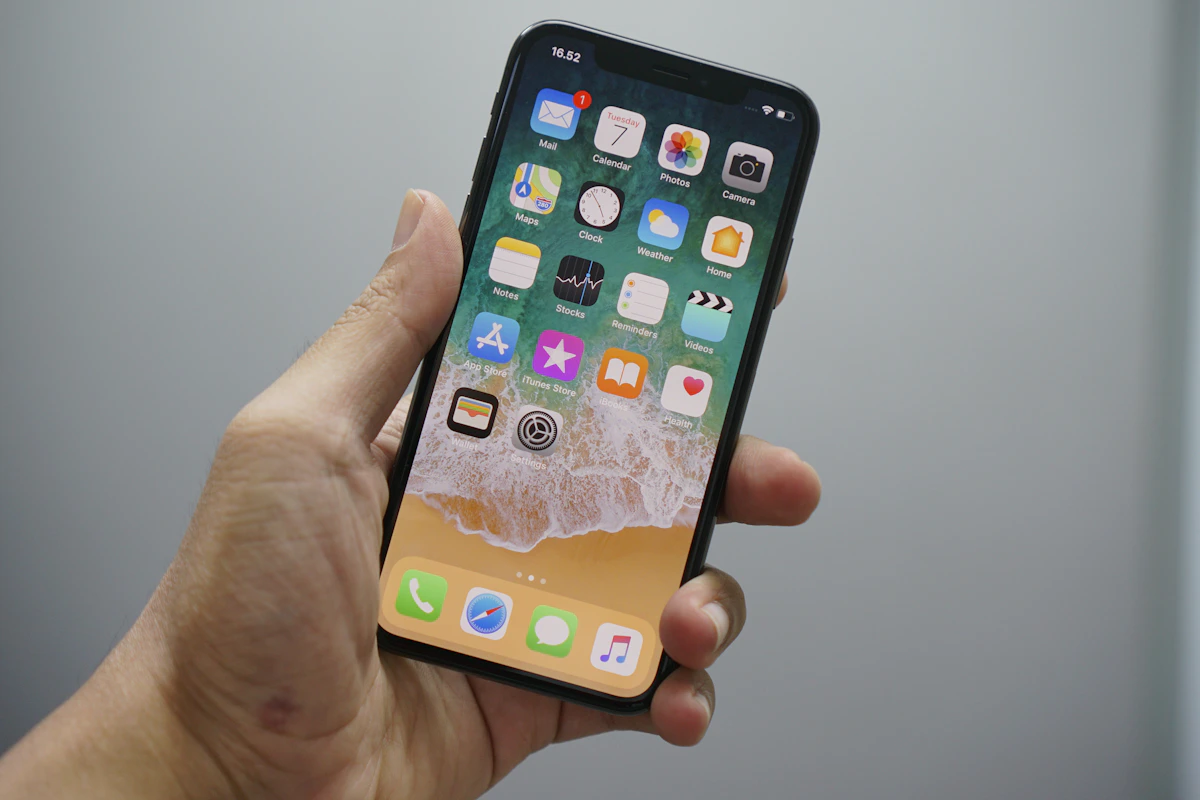
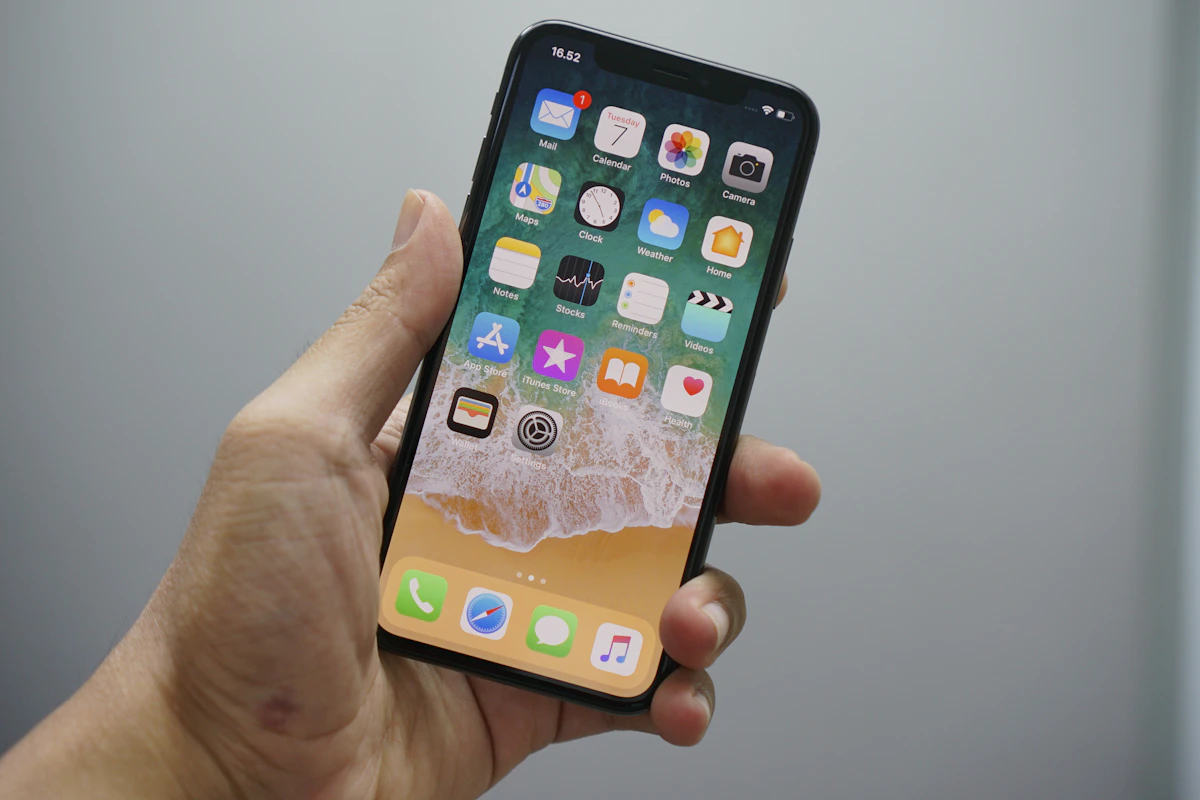
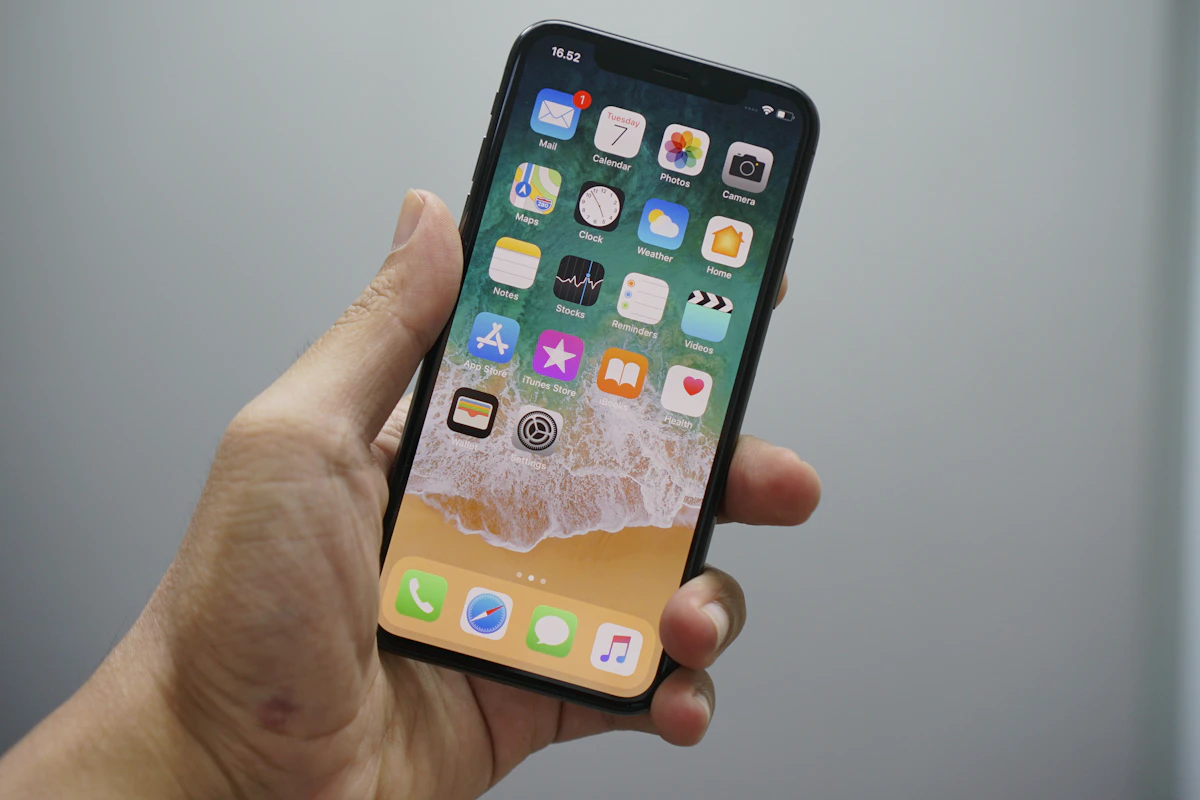
The iPhone 17 Pro wins for non-photographers. Not because of specs — because it produces finished-looking photos the moment you take them. No editing, no manual settings, no second-guessing which of four lenses you’re currently using. Point, shoot, post.
The Samsung Galaxy S25 Ultra is the better pick if you shoot distant subjects regularly, need 8K video, or actually edit your photos afterward. At $1,299 versus iPhone’s $1,099 entry price, that $200 premium buys you real hardware depth. But for most people who just want their photos to look good immediately, the extra cost doesn’t pay off.
That’s the short version. The longer version explains exactly why — and where each phone breaks.
The Two Phones
iPhone 17 Pro — $1,099 (256GB)
Three 48MP rear cameras covering main, ultrawide, and 4x telephoto. Default JPEG output is 24MP, which is unusually high for a smartphone default. Apple’s computational photography pipeline handles exposure, color, and sharpness decisions automatically. That’s the entire value proposition for non-photographers: the camera makes the calls so you don’t have to.
According to Amateur Photographer, the 18MP selfie camera outperforms Samsung’s 12MP front sensor on both resolution and skin tone rendering.
Samsung Galaxy S25 Ultra — $1,299 (256GB)
Four rear cameras, a 200MP main sensor, and a 10x optical zoom telephoto. Samsung’s approach is raw hardware depth: more lenses, more resolution, more manual controls. The camera app exposes settings that most iPhone shooters never see. Freewell Gear’s comparison confirms 8K video support and HDR10+ playback — specs no iPhone currently matches. The S Pen stylus is included, though Samsung removed Bluetooth from it this generation, eliminating the remote shutter feature many photographers relied on.
Head-to-Head: What the Data Shows
| Dimension | iPhone 17 Pro | Galaxy S25 Ultra | Winner |
|---|---|---|---|
| Entry pricing (256GB) | $1,099 | $1,299 | iPhone |
| Default photo resolution | 24MP JPEG | 12MP JPEG | iPhone |
| Max optical zoom | 8x (processed crop) | 10x optical | Samsung |
| Selfie camera resolution | 18MP | 12MP | iPhone |
| Video ceiling | 4K | 8K | Samsung |
| Portrait edge detection | Strong, natural skin tones | Occasionally over-processed | iPhone |
| Low-light detail | Less noise, brighter output | Better fine detail | Tie |
| Manual camera controls | Limited | Extensive | Samsung |
| Entry-level value | Better | $200 premium | iPhone |
The selfie gap is wider than the specs suggest. 18MP versus 12MP sounds like a footnote. It isn’t. According to CNET’s side-by-side testing, iPhone wins clearly on selfie exposure, contrast, warmer colors, and detail. The wide-angle selfie mode also captures a significantly broader field of view. For non-photographers who use the front camera constantly, this alone tips the scale.
Samsung’s zoom lead narrows fast under real conditions. 10x versus 8x looks significant on paper. In practice, CNET found that Samsung’s color consistency degrades noticeably when zooming — unpredictable magenta and cyan white balance shifts that appear without warning. iPhone maintains more consistent color rendering across zoom levels. If you’re shooting a concert or a kid’s soccer game at distance, Samsung still wins the pure reach game. But the results aren’t always clean.
The low-light result is genuinely a tie — with a catch. Both phones underperform on ultrawide night photography, per CNET’s Edinburgh testing. For main-lens night shots, iPhone outputs brighter images with less noise. Samsung recovers more fine detail — building facades, texture, surface variation. Which matters more? For a non-photographer posting straight to Instagram, brighter and less noisy wins every time.
The $200 price delta is real. Amateur Photographer notes that Samsung becomes better value at 512GB and 1TB storage tiers. But most non-photographers aren’t buying 1TB phones.
Where Each One Actually Breaks
iPhone 17 Pro breaks when you need reach. At 8x effective zoom — a processed crop, not true optical glass — iPhone struggles against Samsung’s dedicated telephoto hardware in high-contrast distant scenes. Birds in flight, a performer on a stage 50 meters away, a sports play from the stands: Samsung wins by a clear margin. iPhone’s zoom results soften noticeably at maximum range where Samsung holds structural detail. This isn’t a minor gap. For anyone who relies on telephoto regularly, it’s a deciding factor.
Galaxy S25 Ultra breaks when you want zero friction. Samsung’s camera app is more complex — that’s a feature for power users and friction for everyone else. Freewell Gear’s review flags that Samsung’s multi-lens system creates its own decision fatigue: which of four cameras are you actually using right now? For non-photographers, the punch-and-shoot experience matters more than most reviews acknowledge. Samsung’s color profile is also more neutral by design — great for editing, flat-looking if you never open a photo editor. That’s not a flaw, exactly. But it’s a mismatch with how most casual shooters use their phones.
This approach can also fail in mixed-lighting social situations — birthday parties, restaurants, indoor events — where iPhone’s aggressive but consistent processing produces shareable results and Samsung’s neutral rendering sometimes looks like it’s waiting for post-production that never comes.
The Verdict
The data confirms what the bottom line stated upfront. iPhone 17 Pro wins the non-photographer matchup. Better selfies, more consistent color across zoom levels, stronger portrait results, $200 cheaper at entry — and photos that look finished without any editing required.
Samsung’s 10x zoom and 8K video are real advantages. But they serve a different user than someone who wants to point, shoot, and post.
The practical test: Open the camera app on whichever phone you own right now and take five shots across three lighting conditions — outdoor midday, indoor tungsten, night. Then look at them unedited on a laptop screen. The gap between “needs adjustment” and “ready to post” is exactly what this comparison is measuring. If you’re due for an upgrade, both CNET’s full test gallery and Amateur Photographer’s side-by-sides are worth 10 minutes before spending $1,100 or more.
One open question worth tracking: As Samsung’s AI-processing stack matures through 2026 software updates, does the white balance inconsistency at zoom get patched — or is it a hardware limitation of switching between lens assemblies? That answer will change the telephoto calculus significantly. If Samsung closes that gap, the comparison gets much harder.
Key Takeaways
- iPhone 17 Pro ($1,099) delivers consistent, post-ready photos with no editing required — the stronger pick for casual shooters
- Galaxy S25 Ultra ($1,299) earns its premium for telephoto reach, 8K video, and users who edit their shots
- The selfie gap is decisive: 18MP vs. 12MP translates to visible differences in exposure, skin tone, and field of view
- Low-light performance is a genuine tie — iPhone outputs brighter, less noisy images; Samsung recovers finer detail
- Samsung’s neutral color profile is a feature for photographers and a friction point for everyone else
- The $200 price difference favors iPhone at the 256GB tier most buyers actually purchase
References
- iPhone 17 Pro vs. Galaxy S25 Ultra Cameras Compared: Which Is the Photography King? - CNET
- iPhone 17 Pro vs Samsung Galaxy S25 Ultra - Top camera phones but which is best for photography? | A
- r/samsunggalaxy on Reddit: I have the base S25, and my sister just got the iPhone 17. I’ve compared
Photo by Bagus Hernawan on Unsplash