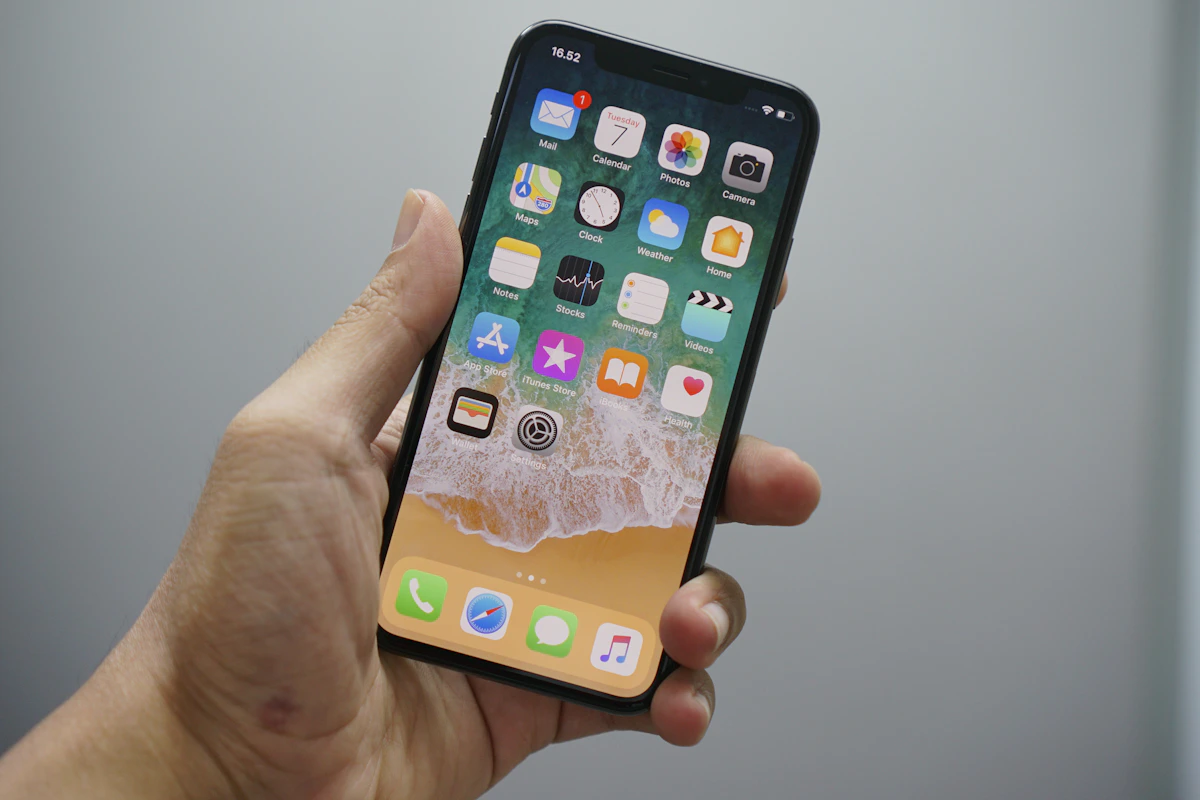
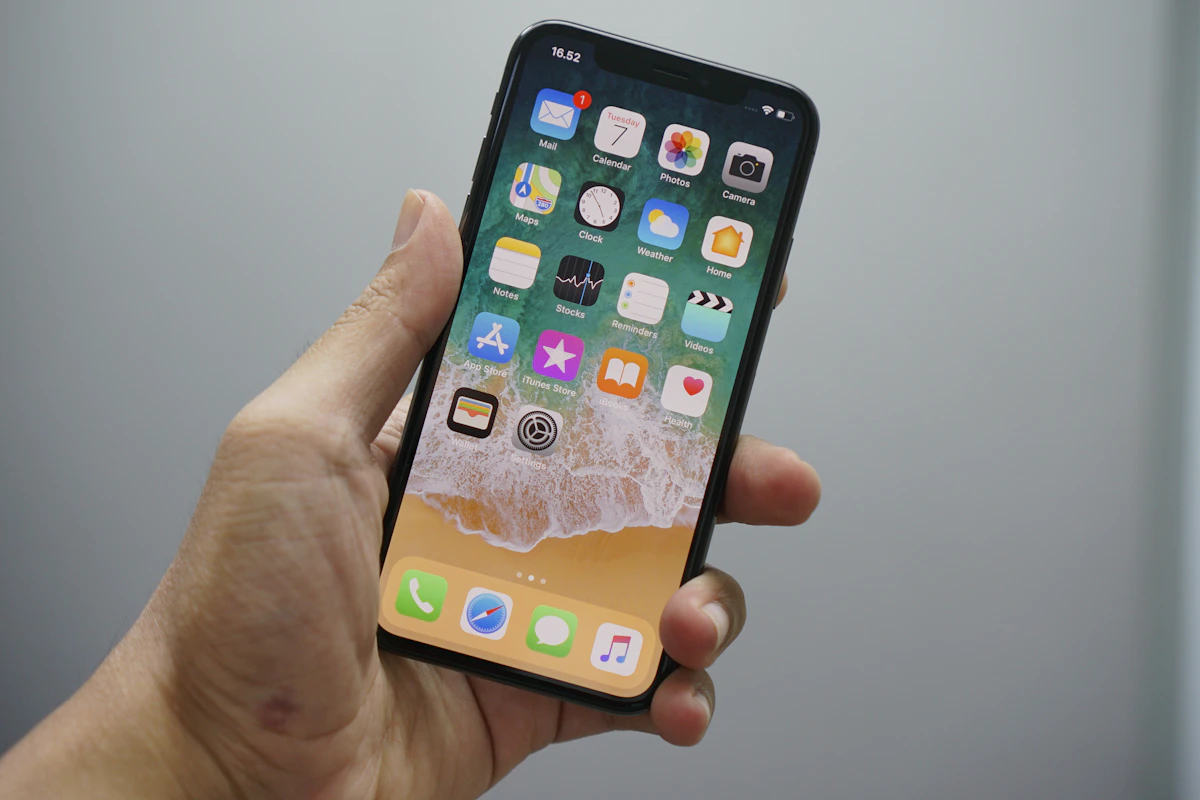
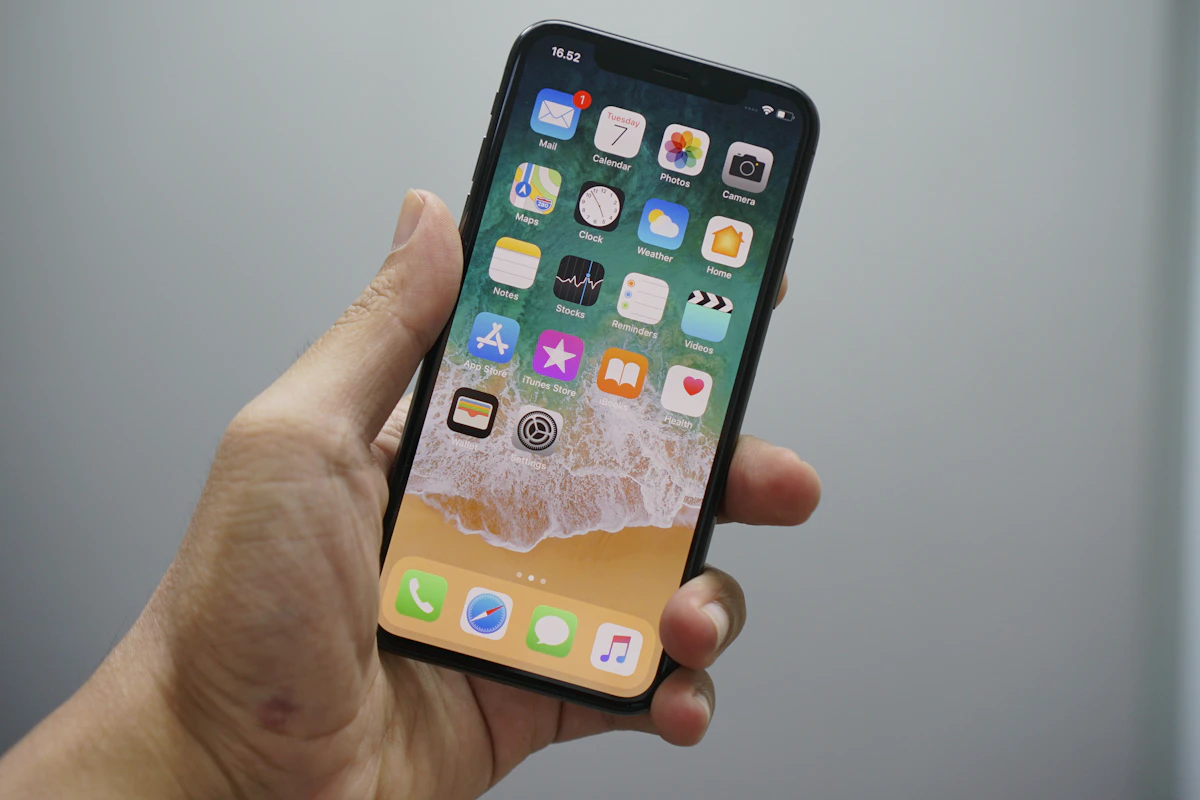
iPhone 17 vs Samsung Galaxy S25 Camera Comparison for Everyday Users
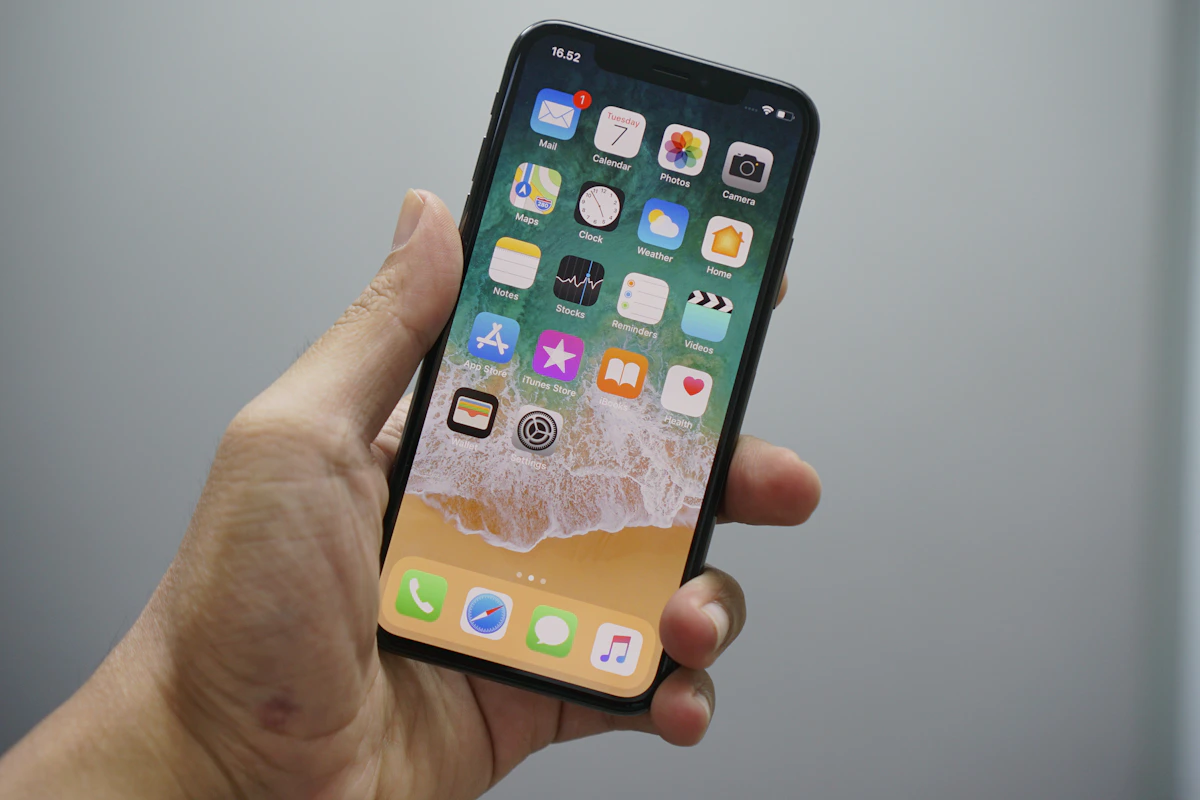
The iPhone 17 Pro wins this camera comparison for everyday users. Not by a little — by a lot, across the dimensions that actually matter for daily shooting: portrait accuracy, selfie quality, and color consistency across zoom levels.
That said, the Galaxy S25 Ultra is the right call if you shoot landscapes, architecture, or anything requiring serious zoom reach. Its 10x optical zoom and 100x Space Zoom hardware advantage is real and measurable. If you regularly post travel content and want punchy, social-media-ready color saturation without touching an editing app, Samsung gets you there faster.
Two caveats before we go further: this isn’t about spec sheets. And if you’re budget-conscious, TechRadar’s three-way comparison found the Pixel 10 Pro ($999) outperforms both in still photography. Keep that in mind.
The Contenders
Apple iPhone 17 Pro — $999 for 256GB. Three rear cameras: 48MP main, 48MP ultrawide, 48MP telephoto with 4x optical zoom. Default output is 24MP. Apple added a dedicated Camera Control button, upgraded the selfie sensor to 18MP with Center Stage, and introduced GenLock for professional video. The A19 Pro chip handles everything on-device — no generative AI model downloads required. It comes in a compact 6.3-inch form factor without any camera compromises. That’s not a minor detail if you don’t want a slab in your pocket.
Samsung Galaxy S25 Ultra — $1,299 for 256GB. Four rear cameras: 200MP main, 50MP ultrawide, 10MP 3x telephoto, 50MP 5x telephoto. Default output is 12MP despite that headline megapixel count. Snapdragon 8 Elite chip. Maximum zoom hits 100x Space Zoom via hardware. Samsung’s native camera app offers more manual controls and AI editing tools than Apple’s. One body size only — 6.9 inches. The S Pen lost its Bluetooth shutter functionality in this generation, which is worth knowing before you commit.
Head-to-Head Matrix
| Dimension | iPhone 17 Pro | Galaxy S25 Ultra | Winner |
|---|---|---|---|
| Entry price (256GB) | $999 | $1,299 | iPhone |
| Default output resolution | 24MP | 12MP | iPhone |
| Optical zoom reach | 4x (48MP sensor) | 10x hardware | Samsung |
| Maximum zoom | 40x | 100x | Samsung |
| Selfie camera | 18MP, wider FOV | Narrower FOV | iPhone |
| Color accuracy | Natural, film-like | Saturated, boosted | iPhone |
| Portrait edge detection | Superior | Acceptable | iPhone |
| Manual camera controls | Limited | Extensive | Samsung |
| Compact size option | 6.3-inch available | 6.9-inch only | iPhone |
| Entry-tier value | Strong | Weak at $1,299 | iPhone |
Sources: CNET camera comparison, Amateur Photographer, TechRadar
Where the Numbers Get Complicated
The zoom gap is real, but inconsistent. Samsung’s 10x optical zoom wins on paper. In practice, CNET’s professional photographer testing found the S25 Ultra shifts between magenta and cyan color casts depending on focal length — white balance inconsistency that requires post-editing to fix. The iPhone’s 4x zoom maintains stable color rendering throughout. For everyday users who don’t edit RAW files, that inconsistency matters more than the raw zoom number on a spec sheet.
The megapixel marketing deserves scrutiny. Samsung leads with 200MP but outputs 12MP by default. Apple’s 48MP sensor outputs 24MP by default — double the actual delivered resolution. According to Amateur Photographer’s 2026 analysis, the iPhone’s 4x telephoto also delivers sharper detail than Samsung’s 3x lens when tested side-by-side at comparable focal lengths. So the phone with the smaller number on the box is giving you more usable image data on every shot.
Selfies aren’t close. The iPhone 17 Pro’s 18MP selfie sensor with wider field-of-view outperforms Samsung on exposure, contrast, skin tone warmth, and sharpness — this from CNET’s real-world Edinburgh testing. Most everyday users take a lot of selfies. On that dimension alone, the comparison tilts decisively toward Apple.
The $300 price gap is the most underrated data point in this comparison. Both devices perform comparably in macro and low-light conditions per Amateur Photographer. That means you’re paying Samsung’s premium almost entirely for hardware zoom range most users won’t regularly push past 10x.
Where Each One Actually Breaks
The iPhone 17 Pro breaks when you’re shooting architecture or wildlife at distance and physically can’t get closer to your subject. The 4x optical zoom cap — down from 5x on some previous Pro models per TechRadar — means subjects beyond 40x digital zoom look soft. Landscape photographers who want “reach” without carrying a separate lens will hit this ceiling consistently. It’s a genuine hardware limit, not something a software update fixes.
The Galaxy S25 Ultra breaks when color consistency across a shoot matters.** The white balance drift documented by CNET’s photographer — shifting from magenta to cyan casts at different zoom levels — creates mismatched images within the same session. Parents shooting kids at birthday parties, or anyone expecting consistent color across 50 consecutive shots, will find the iPhone far easier to work with straight out of camera. Samsung’s own 3x telephoto lens also underperforms its 5x option, creating an odd gap in the zoom range that can catch you off guard mid-shoot.
This isn’t always the answer you want to hear when you’ve been eyeing that 100x Space Zoom spec. But for the overwhelming majority of everyday use cases, the inconsistency costs you more than the zoom range gains you.
The Verdict
The iPhone 17 Pro wins this comparison for everyday users. It costs $300 less, delivers double the default output resolution, and beats Samsung on selfies, portraits, and color consistency — the use cases covering roughly 90% of what most people actually shoot day to day.
The Galaxy S25 Ultra earns its place for users with specific zoom requirements or a preference for social-media-saturated color without editing. But at $1,299, that’s a significant premium for a narrower benefit set.
Practical next step: Before buying either phone, pull up Samsung’s and Apple’s camera sample galleries from the last 90 days and filter specifically for portraits and zoom shots matching your personal use. The color rendering difference is immediately visible and will confirm or challenge your intuition faster than any spec sheet comparison.
The question worth tracking: Samsung is already shipping the Galaxy S26 Ultra with camera updates per CNET. The real test is whether the next iteration fixes the white balance inconsistency that undercuts its hardware advantage — or whether that’s a processing philosophy baked into how Samsung builds cameras, not a bug they’re planning to patch.
Key Takeaways
- Choose iPhone 17 Pro for portraits, selfies, natural color accuracy, and $300 in savings
- Choose Galaxy S25 Ultra for serious zoom reach or saturated social content without editing
- Both perform comparably in macro and low-light — neither has a clear edge there
- The Pixel 10 Pro ($999) outperforms both in still photography per TechRadar — worth considering if you’re budget-conscious
- Samsung’s white balance inconsistency across zoom levels is a real limitation, not marketing noise
References
- iPhone 17 Pro vs. Galaxy S25 Ultra Cameras Compared: Which Is the Photography King? - CNET
- iPhone 17 Pro vs Samsung Galaxy S25 Ultra - Top camera phones but which is best for photography? | A
- iPhone 17 Pro vs Google Pixel 10 Pro vs Samsung Galaxy S25 Ultra camera comparison – here’s which fl
Photo by Bagus Hernawan on Unsplash