ChatGPT Voice Mode Cloning Your Voice: What Users Need to Know
Voice cloning crossed a threshold that should concern anyone who uses ChatGPT’s Advanced Voice Mode or posts audio publicly online. As of August 2026, scammers need just 3 seconds of recorded audio to produce a convincing voice clone — and the tools to do it cost almost nothing. The technology that makes ChatGPT voice mode so useful is now entangled with one of the fastest-growing fraud vectors in financial history.
This isn’t about theoretical risk. It’s about a documented, accelerating threat that intersects directly with how millions of people interact with AI daily.
Key Takeaways
- According to McAfee research, 1 in 4 American adults have experienced an AI voice cloning scam or know someone who has — as of 2026.
- The Deloitte Center for Financial Services projects generative AI-related fraud losses will climb from $12.3 billion in 2023 to $40 billion by 2027.
- Open-source tools like GPT-SoVITS can clone any voice from as little as 60 seconds of audio at zero cost, making detection the primary defense layer.
- ChatGPT’s Advanced Voice Mode does not expose your voice to third-party cloning — but your voice data’s handling by OpenAI deserves scrutiny.
- The strongest countermeasure isn’t technical: it’s a pre-arranged verbal codeword that no AI system can replicate.
Background: How Voice AI Got Here So Fast
Two years ago, high-quality voice cloning required expensive compute, proprietary datasets, and audio engineering expertise. That barrier is gone.
The open-source ecosystem accelerated this collapse. GPT-SoVITS, documented in a 2026 technical guide, can clone any voice from roughly 60 seconds of reference audio — no subscription, no API key, no cloud dependency. You run it locally. Anyone with a mid-range GPU and an afternoon can get it working.
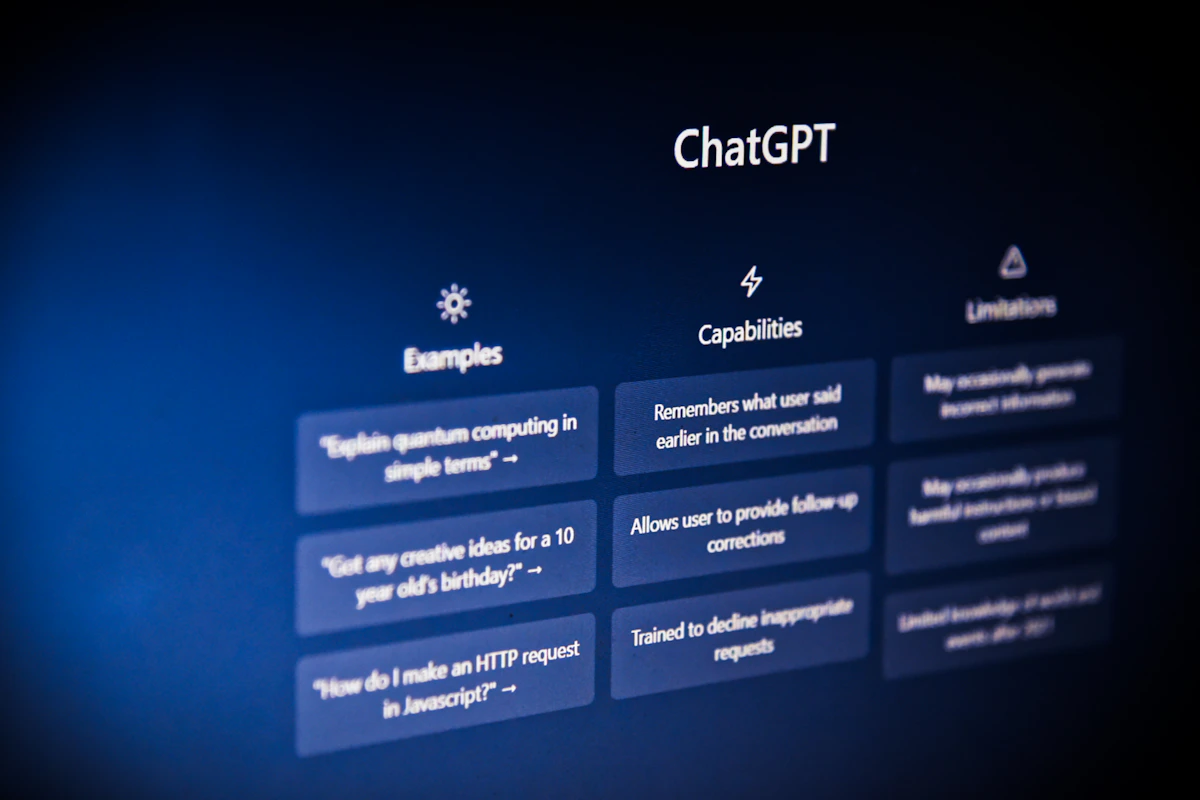
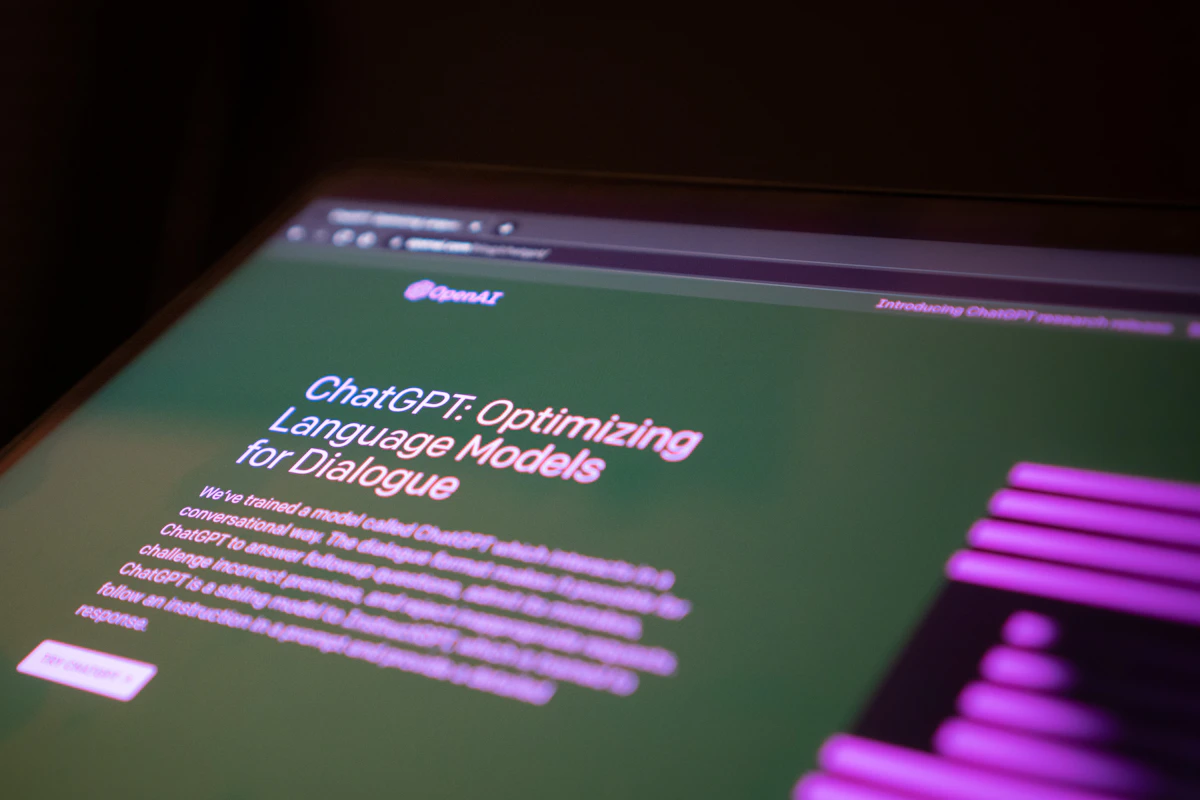
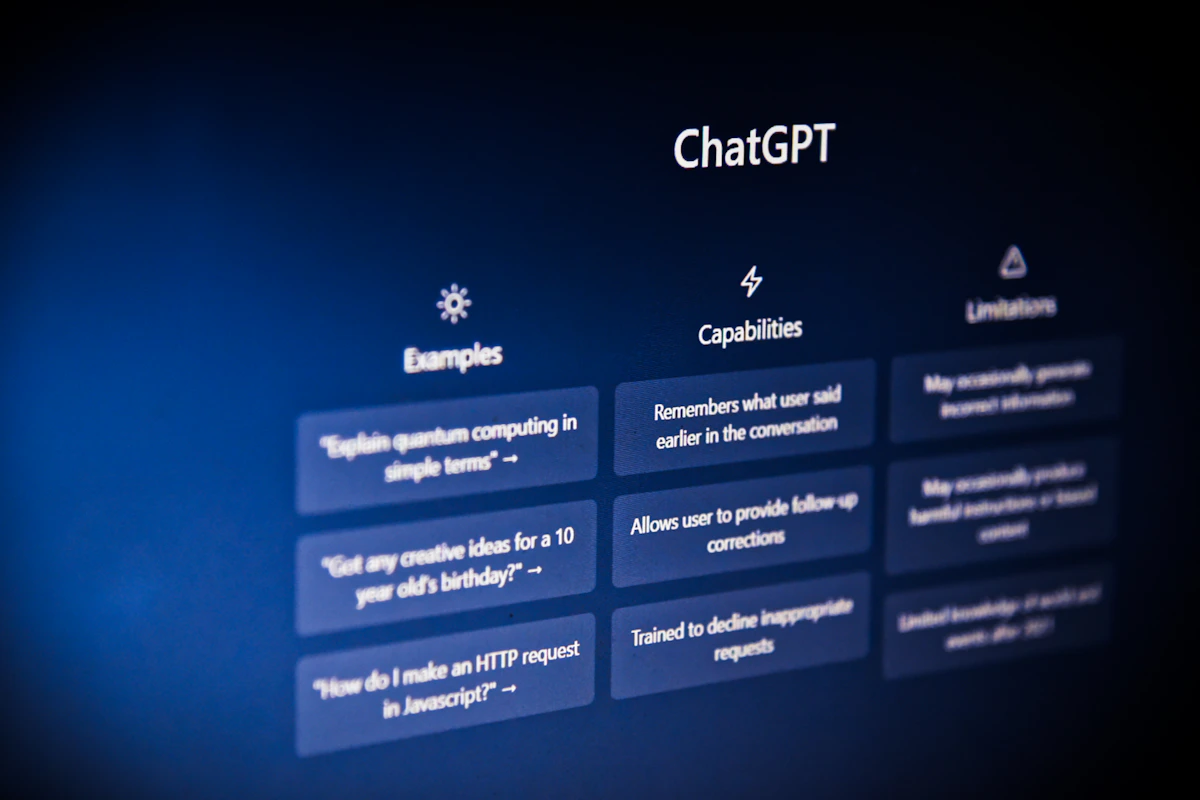
Meanwhile, OpenAI launched ChatGPT Advanced Voice Mode — a real-time spoken dialogue system available to Plus and Team subscribers. The feature supports multiple languages, accents, and speech patterns, with five distinct voice personalities (Juniper, Breeze, Ember, Cove, Mable). It runs on iOS and Android. No desktop support yet.
That creates a pointed question: when you speak to ChatGPT, where does that audio go — and could it be weaponized?
OpenAI’s privacy documentation states that voice inputs are processed to generate responses. The company doesn’t explicitly confirm whether audio recordings are retained for model training by default. For tech professionals, that ambiguity matters. Your voice is biometric data. Unlike a password, you can’t reset it.
The fraud angle compounds this. James Grifo, CEO of Audio Visual Nation, confirmed in reporting by Tom’s Guide that cloning tools cost “almost nothing and require minimal technical skill.” The scam pipeline is straightforward: harvest audio from social media, clone the voice, call a family member in crisis.
Main Analysis
How ChatGPT Voice Mode Actually Handles Your Audio
ChatGPT voice mode cloning your voice isn’t a feature — it’s a risk surface. The distinction matters.
When you use Advanced Voice Mode, your spoken input gets transmitted to OpenAI’s servers for processing. The system doesn’t clone your voice to output it back. It uses one of its five preset voices for responses. So the direct cloning risk within the ChatGPT interface is low.
The indirect risk is different. Your voice data exists on remote servers, and OpenAI’s data retention policies deserve more scrutiny than most users give them.
Check Settings → Data Controls → Improve the model for everyone. Disabling this reduces the chance of your audio being used for training. It’s not a guarantee — but it’s the clearest lever available right now.
The Real Attack Vector: Public Audio and Third-Party Tools
The more concrete threat isn’t OpenAI. It’s the audio you’ve already published.
Any video on LinkedIn, TikTok, YouTube, or Instagram where your voice is audible for 3+ seconds is potential training data. McAfee’s research found that scammers specifically target public social profiles. They extract audio, run it through free tools, and produce a clone convincing enough to deceive family members under emotional pressure.
The fraud pattern is predictable:
- Clone target’s voice using 3–60 seconds of public audio
- Call a family member claiming emergency (accident, arrest, medical crisis)
- Demand immediate wire transfer or gift cards before “anyone finds out”
- Exploit urgency so the victim doesn’t stop to verify
Deloitte projects this category of fraud reaches $40 billion by 2027 — up from $12.3 billion in 2023. That’s a 3.25× increase in four years. And this approach can fail to be caught precisely because it works fastest against people under emotional stress, when rational verification feels heartless.
Voice Cloning Tools: A Practical Comparison
| Criteria | ChatGPT Advanced Voice Mode | GPT-SoVITS (Open Source) | Commercial APIs (e.g., ElevenLabs) |
|---|---|---|---|
| Cost | $20/mo (Plus subscription) | Free | $5–$330/mo |
| Audio Required to Clone | N/A — uses preset voices | ~60 seconds | 1–3 minutes |
| Local/Cloud | Cloud only | Local (self-hosted) | Cloud only |
| Primary Use Case | Conversational AI assistant | Voice replication/TTS | Professional voice synthesis |
| Cloning Your Voice | Does not clone user voice | Yes, directly | Yes, via API |
| Privacy Risk Level | Medium (server-side audio processing) | Low (fully local) | Medium-High (audio stored remotely) |
| Skill Required | None | Moderate (GPU setup) | Low |
| Scam Risk as Attack Tool | Low | High | High |
ChatGPT Voice Mode isn’t designed as a cloning tool — and that’s the reassurance here. GPT-SoVITS and commercial APIs are designed for cloning, which is why they’re the actual vectors being weaponized.
Detection Signals and Defensive Countermeasures
Cloned voices have tells. Industry reporting identifies four audio anomalies that suggest synthetic origin:
- Unnatural vocal rhythms and abnormal pauses between words
- Flat, emotionless audio quality with no breath variation
- Calls from unknown or spoofed numbers
- Artificial urgency pressure (“I need this right now, don’t tell anyone”)
Detecting these signals under emotional duress is unreliable, though. The better defense is procedural, not perceptual.
Three countermeasures that actually work:
- Codeword protocol. Establish a pre-arranged word or phrase with close family members. A scammer can clone a voice — they can’t clone shared memory of an agreed secret word.
- Call-back rule. Never transfer money based on a single unverified call. Hang up. Call the person back on their known number.
- Relationship-specific questions. Ask something only the real person would know — a recent private conversation, a specific inside reference. AI cannot answer these.
This isn’t always sufficient. Scammers adapt, and urgency manipulation is designed to short-circuit exactly these kinds of rational responses. But layering all three countermeasures together raises the barrier significantly.
Practical Implications: Who Needs to Act and How
Tech professionals and developers face dual exposure. Many publish conference talks, podcast appearances, and demo videos — all public audio banks. Engineers building with voice APIs need to audit data retention terms for any service processing user audio. If you’re logging voice inputs without explicit user consent and a documented deletion policy, that’s a liability in 2026.
Action: Audit your public audio footprint. Review OpenAI’s data controls settings if you use Advanced Voice Mode regularly.
General ChatGPT Plus users sit in the lower-risk category relative to the broader voice cloning threat — but not zero risk. OpenAI processes your voice server-side, and defaults may allow audio to be used for model improvement.
Action: Navigate to Settings → Data Controls, disable “Improve the model for everyone,” and review OpenAI’s updated privacy policy (last revised in early 2026).
Family members of high-profile or vocal professionals — executives, educators, content creators — are the most targeted group. Scammers prioritize voices with large public audio libraries because cloning quality correlates directly with training data volume. Reports indicate that verified public figures with extensive audio footprints are disproportionately represented in documented scam cases.
Action: Run a codeword conversation with your immediate family this week. It takes five minutes and it’s the single highest-ROI defensive move available.
What to watch: OpenAI has signaled plans for broader regional rollout of Advanced Voice Mode — currently unavailable in Japan and South Korea. As geographic reach expands, so does the surface area. Watch for updated data governance disclosures alongside any rollout announcements.
Conclusion & Future Outlook
The concern around ChatGPT voice mode cloning your voice is real, but the threat model needs precision. ChatGPT itself doesn’t clone your voice. The danger is the broader ecosystem: open-source tools, public audio exposure, and fraud pipelines that have scaled dramatically.
Key insights from this analysis:
- AI voice cloning scams affect 1 in 4 Americans, with projected losses hitting $40B by 2027
- Free tools like GPT-SoVITS require only 60 seconds of audio, lowering the barrier to near-zero
- ChatGPT Advanced Voice Mode processes audio server-side — review your data controls settings
- The strongest defense is non-technical: codewords and call-back verification beat any detection algorithm
Looking ahead to late 2026 and into 2027: expect OpenAI to face regulatory pressure on voice data retention, particularly from EU regulators under GDPR enforcement. Biometric data rules are tightening globally. Detection tools are improving too — Adobe’s Content Authenticity Initiative and similar provenance frameworks may eventually watermark synthetic audio at generation time.
The open question worth tracking: will platforms like LinkedIn and YouTube implement audio provenance tagging before fraud losses force regulatory mandates? Right now, that pressure is building on both sides.
For now, the codeword is your best tool. Set one up this week — it costs nothing and it works.
Photo by Levart_Photographer on Unsplash