Will AI Replace Graphic Designers by 2027? What Data Shows
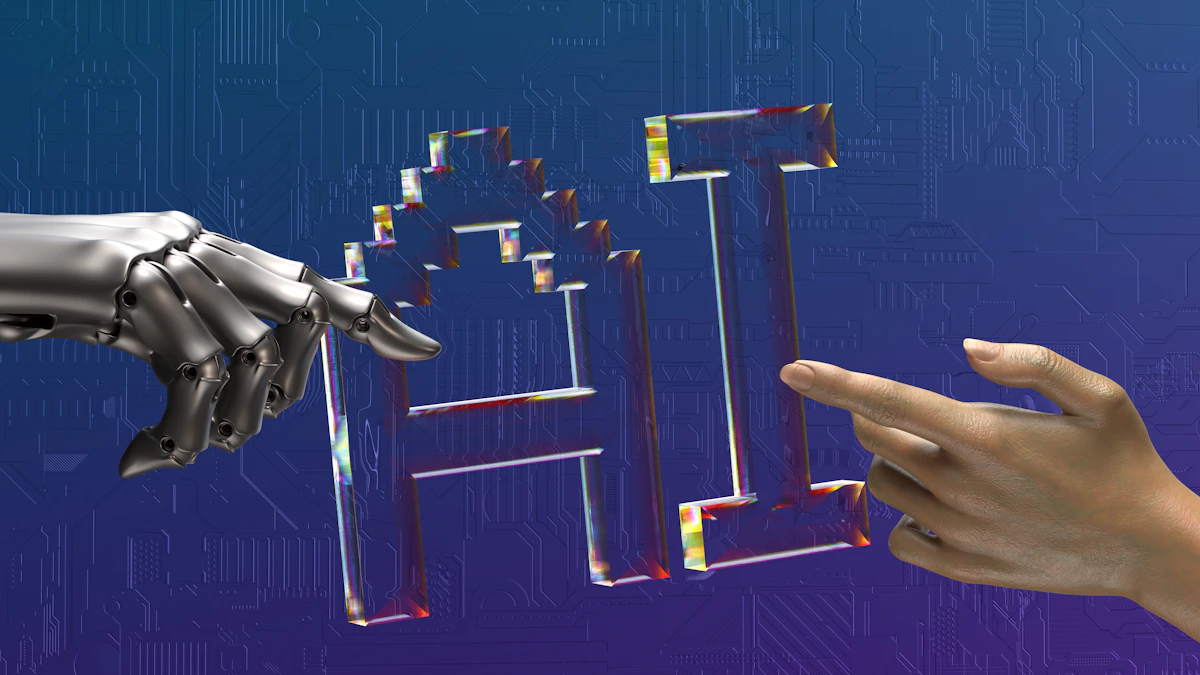
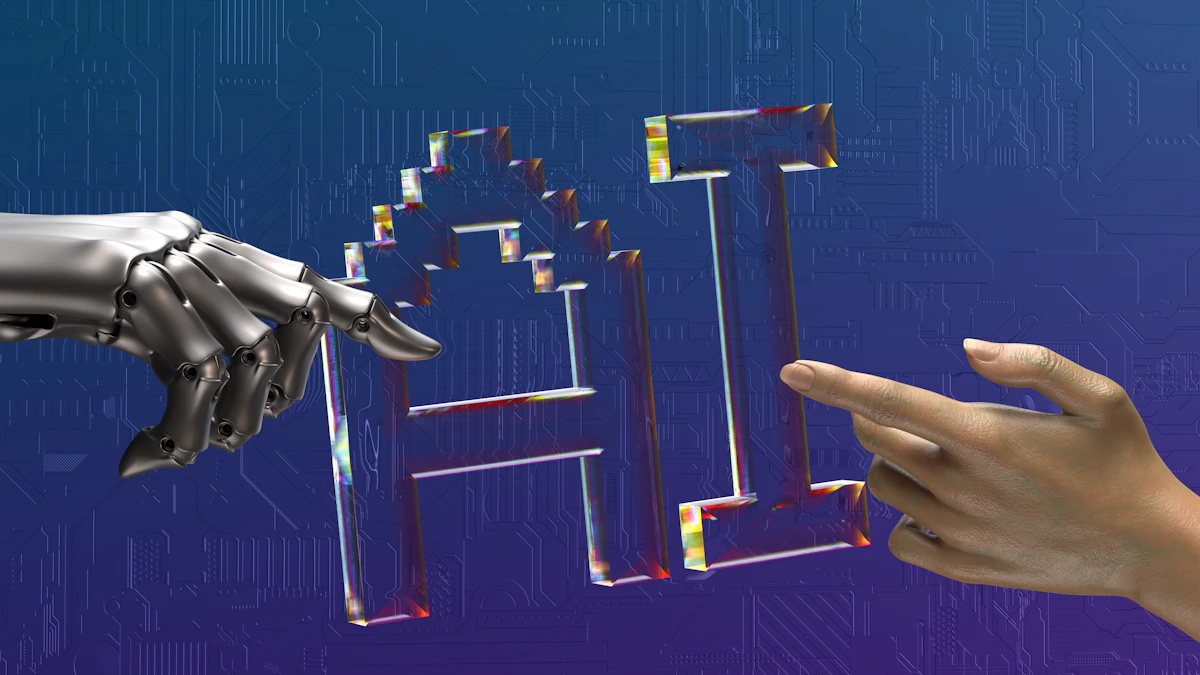
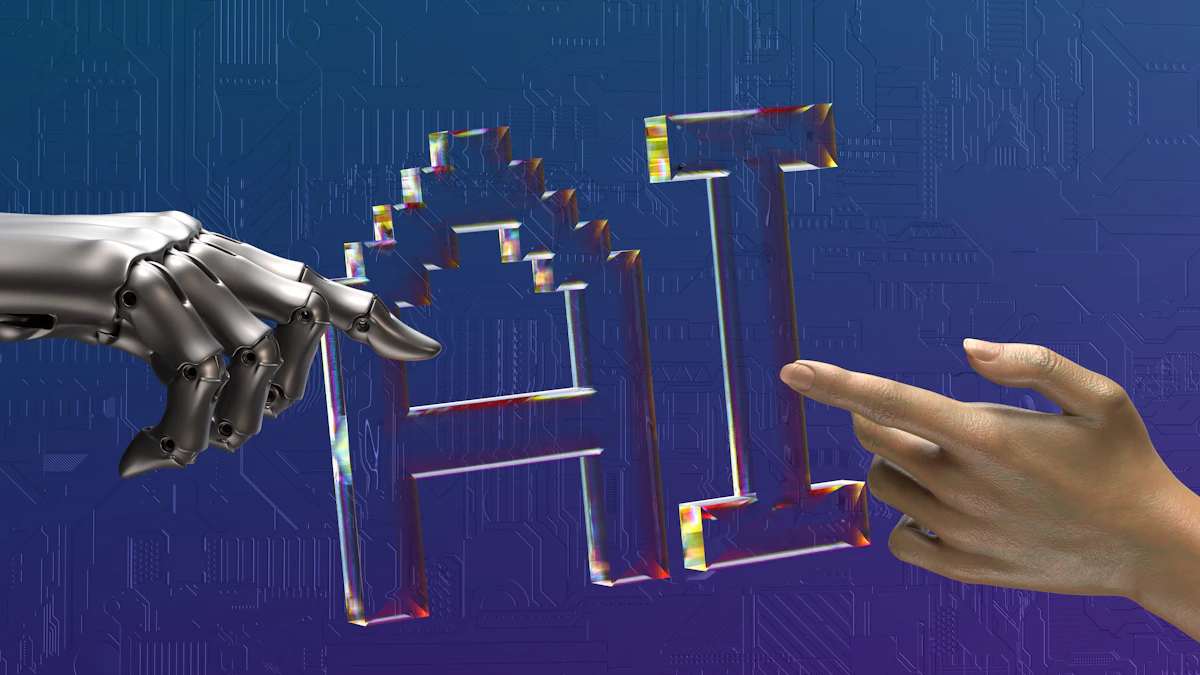
The question keeps surfacing in design forums, hiring discussions, and boardroom budget talks: will AI replace graphic designers by 2027? The answer, backed by 2026 data, is more nuanced than either camp wants to admit.
Ninety percent of companies still employ graphic designers. Design budgets are increasing. And yet 88% of those same businesses now use AI tools in their design workflows. These numbers don’t contradict each other — they describe a profession actively restructuring, not collapsing.
The real story isn’t replacement. It’s role compression at the bottom and expansion at the top, with a shrinking middle for designers who haven’t adapted.
Key Takeaways
- According to a Clutch survey cited by Graphic Design USA, only 18% of businesses report AI has reduced their need for designers, while 25% say AI has increased their overall design output.
- The US Bureau of Labor Statistics projects graphic design job growth at just 2% over the next decade — slower than average, but growth nonetheless.
- 47% of businesses increased design budgets over the past year; 53% plan further increases in the next 12 months, per the same Clutch data.
- AI tools automate specific production tasks — layout generation, image editing, ad variations — but brand identity and strategic creative decisions remain predominantly human-driven.
- Designers with AI literacy skills (prompt engineering, output refinement, art direction) are positioned for higher demand, not displacement.
How We Got Here
The shift didn’t start with ChatGPT. It started earlier, quietly, as template-driven platforms like Canva chipped away at low-complexity design work. Canva launched in 2013. By 2022, it had 100 million monthly users. The writing was already on the wall.
Then diffusion models arrived. Midjourney’s public beta launched in mid-2022. Adobe shipped Firefly in 2023, embedding generative AI directly into Photoshop and Illustrator — tools designers already lived in. Figma integrated AI features. Framer launched AI-powered web design generation. The tooling shift accelerated fast.
What changed between 2023 and 2026 isn’t whether AI can produce design output — it clearly can. What changed is the quality threshold. Early AI images were obviously synthetic. Now, according to Coursera’s analysis, studies show many users can’t distinguish AI-generated from human-created content. That’s a fundamentally different competitive dynamic.
The market response has been mixed but telling. Getty Images sued AI developers over training data. Copyright ownership for AI-generated content remains legally unresolved in most jurisdictions. Adobe positioned Firefly specifically around licensed training data to sidestep this — a calculated strategic move, not a coincidence.
Meanwhile, businesses kept hiring designers. The profession didn’t crater. But the type of work that justifies a design hire started shifting.
What AI Actually Handles Well
AI tools in 2026 handle a specific task cluster effectively: layout generation, logo variations, social media graphics, image editing, object removal, style transfer, and ad creative variations. According to the Clutch survey reported by Graphic Design USA, these are the exact areas where 88% of businesses now deploy AI tools.
These are also — not coincidentally — the tasks that junior and mid-level production designers have historically owned. That’s where the structural pressure is real. If a marketing team can generate 20 ad variations in Firefly instead of briefing a designer for a week, they will. That workflow already exists.
The speed argument is legitimate. AI doesn’t replace creative thinking — but it eliminates the production gap between concept and execution. For freelancers especially, Coursera notes this cuts both ways: faster turnaround enables higher client volume, which benefits adaptable freelancers while squeezing out those competing purely on production speed.
This approach can fail, though. AI-generated assets still carry unresolved copyright risk for commercial use, inconsistent brand fidelity across outputs, and a tendency to produce visually competent but strategically hollow work. Businesses that have leaned too hard into pure AI output — without a designer steering the process — often end up with content that looks generic precisely because it was optimized for aesthetic averages rather than brand specificity.
Where Human Designers Hold Ground
Brand identity work is where the data shifts the narrative. The Clutch survey asked businesses what they prioritize when hiring designers. Creativity ranked first (39%), strategic thinking second (19%), reliability third (17%). Speed and affordability ranked lowest. Businesses aren’t optimizing for cheap and fast — they’re optimizing for judgment.
AI can’t audit a brand’s cultural positioning. It can’t catch that a color palette resonates differently in Southeast Asian markets versus European ones. It can’t read a client’s subtext in a brief and translate that into visual strategy. These aren’t soft skills — they’re the actual service being purchased at the high end.
The 90% company adoption rate for graphic designers, combined with growing budgets, reflects this directly. Companies using AI for production work are also spending more on strategic creative. The tasks aren’t competing — they’re operating at different levels of the value stack.
The Uncomfortable Middle Is Shrinking
Entry-level production work is increasingly AI-handled. Senior strategic work is increasingly valued. What’s getting squeezed is the mid-level generalist who does both adequately but neither exceptionally.
This matches the BLS projection: 2% growth across a decade isn’t disaster, but it sits well below the 5% average across all occupations. The profession grows, but slower. And within that growth, the distribution of work shifts upward in complexity.
New roles are emerging at the edges. Coursera identifies AI model training, AI art direction, and human-centered design as adjacent growth areas. These aren’t hypothetical futures — Adobe’s Firefly team, Figma’s AI division, and Canva’s design systems teams are actively hiring people who sit at the intersection of design judgment and AI output refinement.
The Capability Breakdown
| Capability | Traditional Designer | AI-Augmented Designer | Pure AI Output |
|---|---|---|---|
| Brand identity strategy | ✅ Strong | ✅ Strong | ❌ Weak |
| Cultural/audience nuance | ✅ Strong | ✅ Strong | ❌ Unreliable |
| Production speed | ⚠️ Moderate | ✅ Fast | ✅ Very fast |
| Ad variation generation | ⚠️ Time-intensive | ✅ Fast | ✅ Very fast |
| Copyright clarity | ✅ Clear | ✅ Mostly clear | ⚠️ Unresolved |
| Cost per output | 💰 High | 💰 Medium | 💰 Low |
| Consistency across brand | ✅ Strong | ✅ Strong | ⚠️ Inconsistent |
| Best for | Strategic brand work | Full workflow | High-volume commodity content |
Pure AI output has a narrow, specific use case. AI-augmented designers dominate on almost every dimension businesses actually care about — which explains why budgets are rising even as AI adoption climbs.
Practical Implications: Who’s Affected and How
Working designers face the clearest near-term pressure at the junior production level. If your current work is primarily resizing assets, creating social templates, or generating ad variations — that work is already being partially automated. The smart move isn’t competing with Firefly on speed. It’s building upward: learn prompt engineering and output critique, position toward brand strategy and systems design, and charge for judgment rather than hours.
Design educators and bootcamps need to restructure curricula now. Teaching Illustrator tool proficiency without AI workflow integration is producing graduates for a market that’s already moved. Programs that graduate designers who can direct AI output with strategic intent — not just operate prompts — will see better placement outcomes.
Businesses evaluating design spend should stop framing this as “hire a designer or use AI.” The Clutch data is unambiguous: 25% of businesses report AI has increased design output. Those aren’t businesses that replaced designers — they’re businesses where designers use AI to produce more. The ROI case for AI-augmented design teams is stronger than straight replacement math.
Watch these signals over the next 12 months:
- Copyright rulings on AI-generated content will reshape how businesses can safely use AI design assets commercially
- Adobe Firefly’s enterprise pricing and feature roadmap will signal how aggressively the platform targets production designer workflows
- BLS occupational data updates in late 2026 will provide the first clean post-AI-adoption numbers on actual job counts
Where This Lands
The data doesn’t support “AI will replace graphic designers by 2027.” It supports something more specific and more useful: AI is compressing the production layer of graphic design while demand for strategic creative work grows.
The concrete summary: 90% of companies still employ designers, 47% increased design budgets in the past year, only 18% say AI reduced their designer headcount, and brand identity work remains human-driven by business preference — not just by capability limits.
The next 12 months will clarify the copyright picture significantly. Legal certainty around AI-generated assets is either the single biggest unlock for broader commercial adoption or the biggest brake on it. The Getty v. AI developers litigation and the EU’s AI Act implementation will provide early signals worth tracking.
The designers most at risk by 2027 aren’t the ones working alongside AI. They’re the ones waiting to see if it goes away.
It won’t. Adapt the toolkit, raise the strategic ceiling, and the profession holds.
What’s your current AI tool stack in your design workflow? That answer probably tells you more about your 2027 employment trajectory than any industry report.
References
- Will AI Replace Graphic Designers? | Coursera
- Study: AI Won’t Replace Graphic Designers • Graphic Design USA
- Will AI Replace Graphic Designers? The Fear vs. The Facts | Clutch.co
Photo by Igor Omilaev on Unsplash